Auroras, Waterfalls, Sea Stacks, Ice Caves

I recently returned from two plus weeks in Iceland.  I spent a couple of days traveling independently with my son before joining a small photography group.  Iceland has been on my bucket list for some time.  This relatively small island at 66 degrees north latitude has been growing in popularity over the last several years and I wanted to see it before it is completely overrun with tourists.  The island has a population of about 350,000 and gets more than 2 million visitors a year.  Most visit in July and August.  Most residents live in Reykjavik, the capital.

I left Dallas on Nov. 10 at 4:20pm and had a non-stop flight to Iceland.  It was scheduled to be an 8-hour flight but we made in just over 7 hours arriving at 5am local time.  Iceland is 6 hours ahead of Central Standard Time.   I picked up my rental car and headed for Reykjavik.  The airport was originally built by the United States as a military base during World War II and is about 45 minutes south of the city.  My son had arrive the day before and we had nearly two days together to see as much of the southern coast as possible.  He had been backpacking in Europe and was on his way home.  When I picked him up just after 8am it was still dark as sunrise wasn’t until 9:30.  Sunset was between 3:45-4:15 depending on what part of the country you were in.

Over the next four blog posts, I will do one on waterfalls, one on sea stacks and other landscape locations, one on the ice beaches of Jokusarlon glacier and the ice cave, and one on the northern lights.

Our photo group consisted of four of us and our guide, Raymond.

Here’s our group from left to right it’s me, Ingrid from Argentina, David, my roommate from Australia, Raymond, our guide, and Marianna, also from Argentina.  In the background you can see the Superjeep we needed to get up to the highlands to the waterfall.
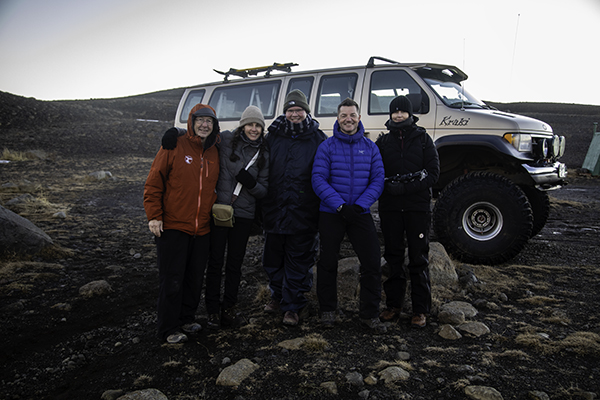
The Superjeeps are used extensively during the winter due to heavy snow.  This has been a mild winter so far but the 4-wheel-drive still delivered us to this beautiful waterfall.
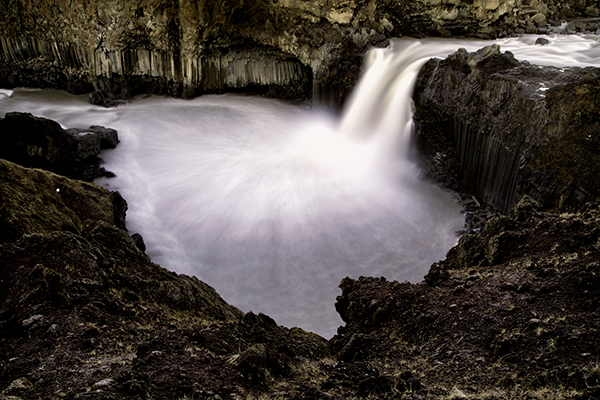
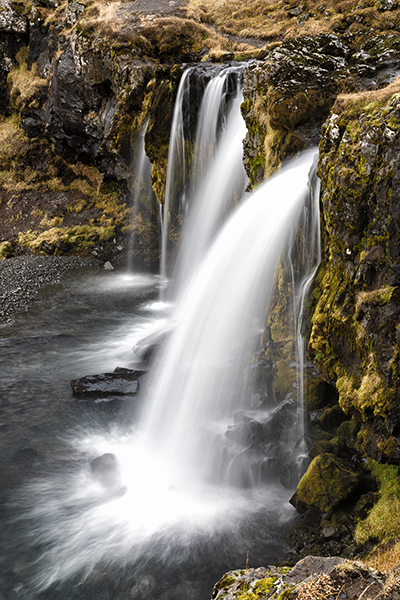
Aldeyujarfoss

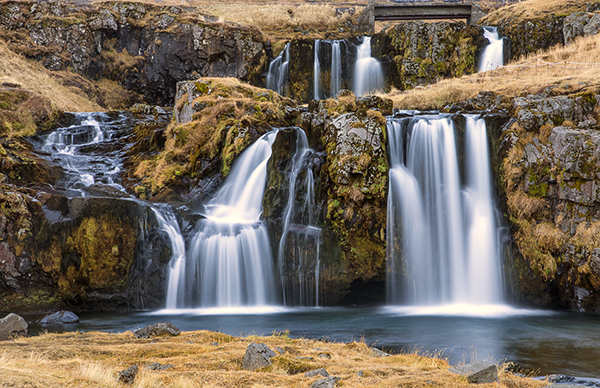
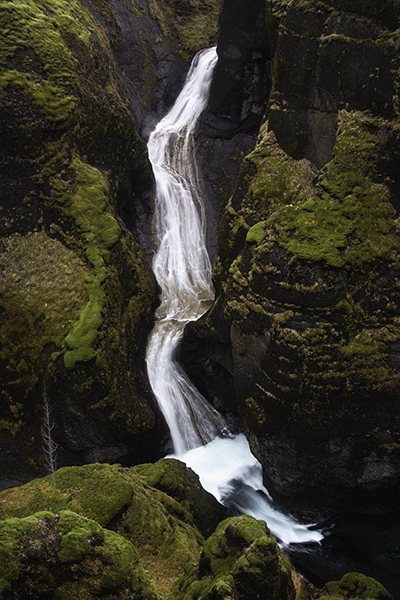
There are more than 200 waterfalls in Iceland.  This is a few of those we visited.  By the way, “foss” is the Icelandic word for waterfall.
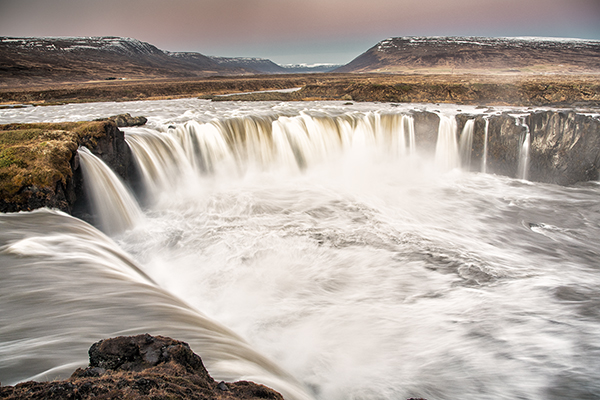
Godafoss
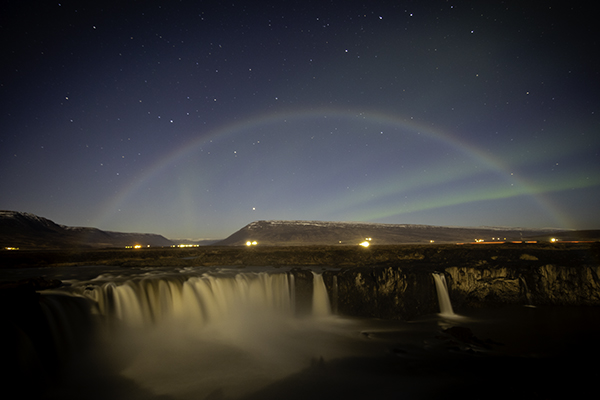
Godafoss at night with a moonbow and some northern lights.  There was nearly a full moon on this night and it created the moonbow with the mist from the falls.
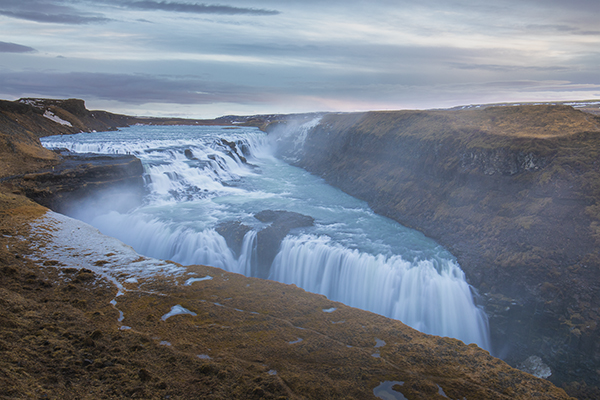
Gullfoss was one of the waterfalls I visited with Derek.  I’m glad we saw it when we did because our group didn’t go back there on our trip.
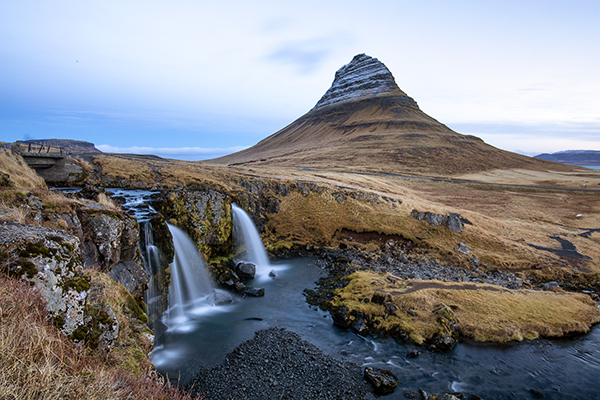
Kirkjufell Mountain and the falls across the road from it.

These images show the various views of the falls there.
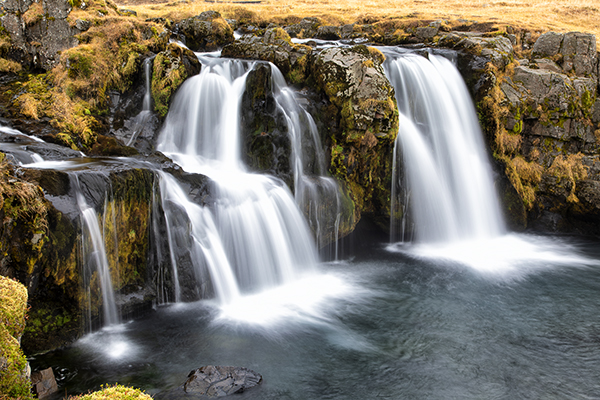
And an image of Kirkjufell Mountain reflected in a nearby lake.
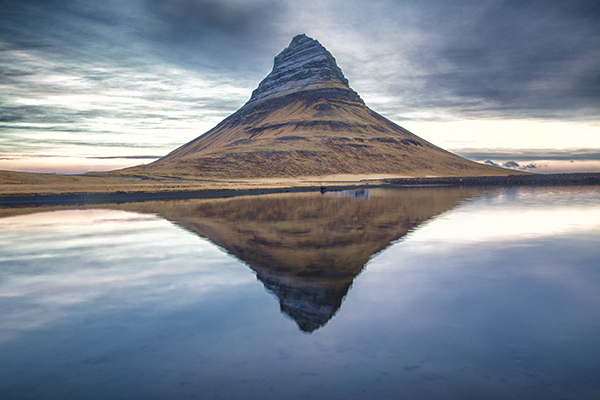
Fjadrargljufurfoss (There’ll be a spelling test later.)
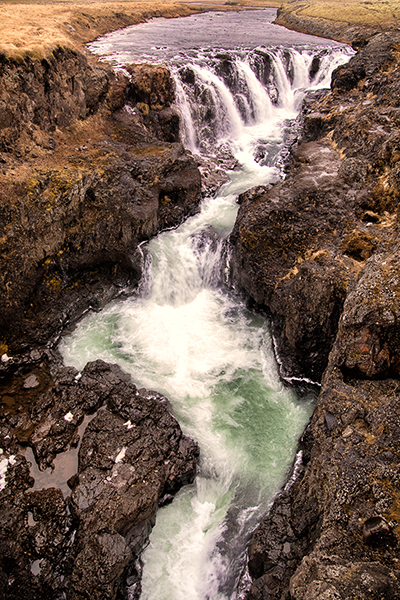
Kolugljufur canyon and falls.  I was shooting from a bridge over the canyon and it was extremely windy.  It was difficult to stand up (I felt like a Weather Channel reporter during a hurricane) let alone try and hold the camera steady on my tripod during the long exposure and keep the rain off the front of the lens.  I shot multiple images here to try and get a few good ones.  Actually, I shot multiple exposures everywhere.  I think my total number of images was a little over 4,000.
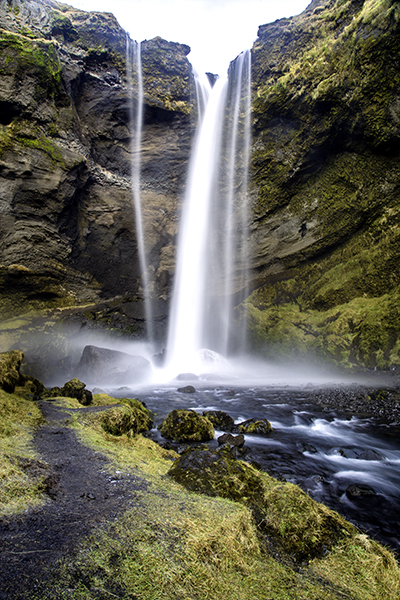
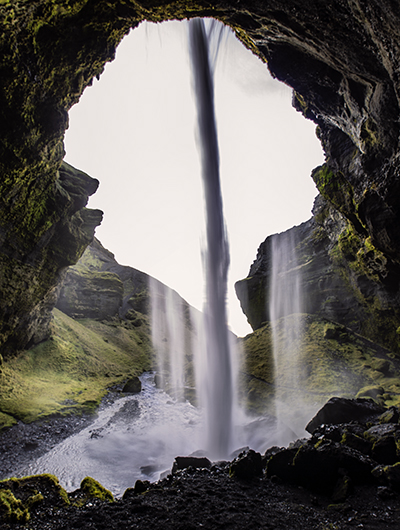
Kvernufoss.  This was one of many falls that our guide took us to that had very few tourists there to share it with.  Some of the falls are very popular and have easy access therefore there are multiple tour buses at those locations and lots of people to try and keep out of your shots.  The second and third images above were shot behind the falls.  I wore crampons on my boots to keep from falling on the icy lava.

The following falls, Skogafoss, is one of those were tour buses filled the parking area and getting a shot without tourist was difficult.
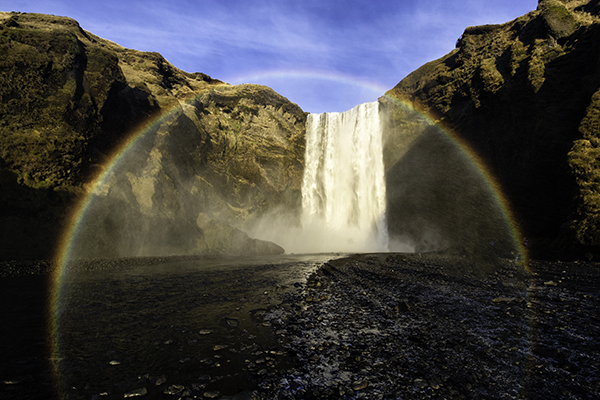
Skogafoss seen here with a rainbow.  This falls is more than 180 ft. high and 75 ft. wide.  Lastly, this falls below is also easily accessible.
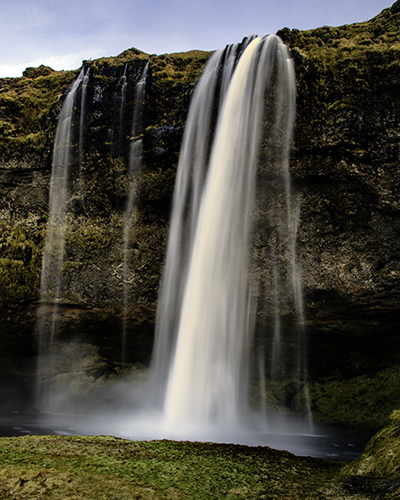
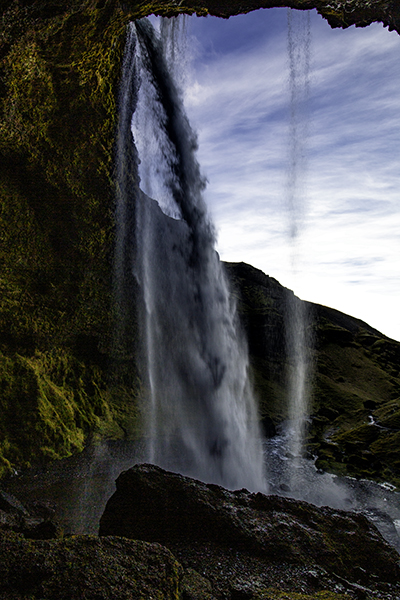
Seljalandsfoss.  Normaly, you can walk behind this falls.  I was there with Derek before joining my photo group and he was able to walk behind it.  On the day I was there with our group it was closed due to icing on the walkway and lava behind the falls.

We’ll visit some sea stacks, lava cliffs and mountain scenes in my next blog.

Thanks for following my trips!
 

Posted in Iceland | Leave a comment

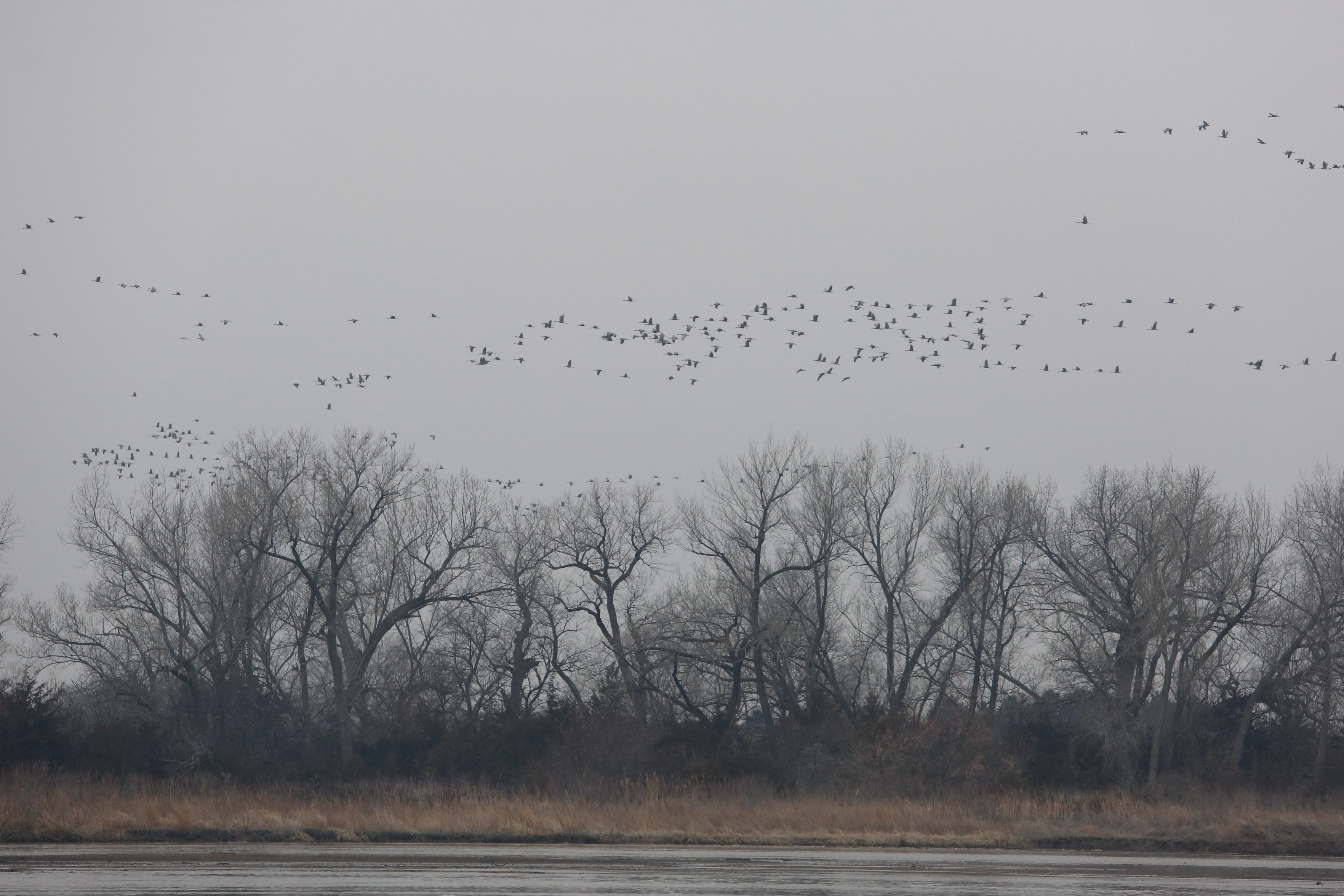
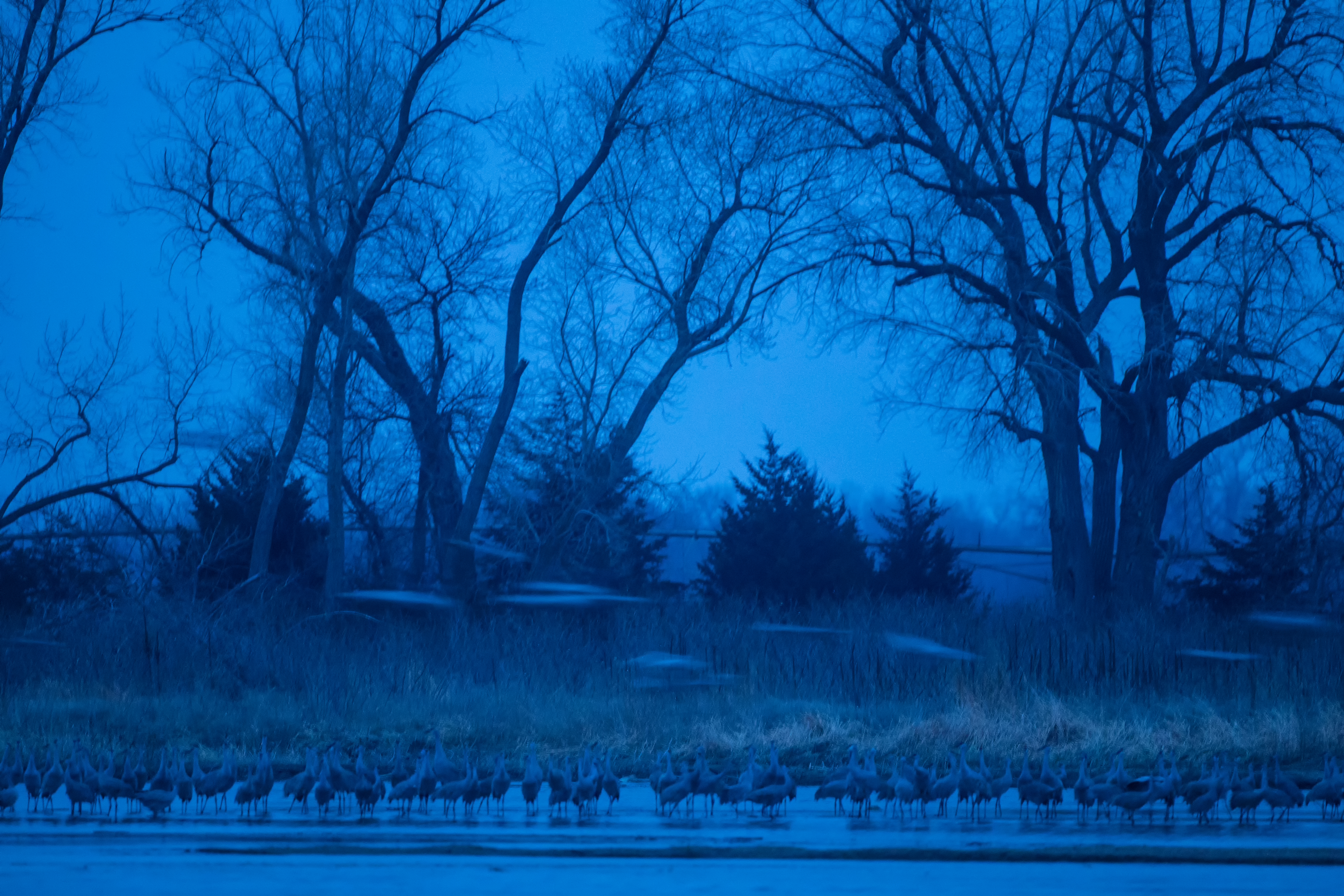
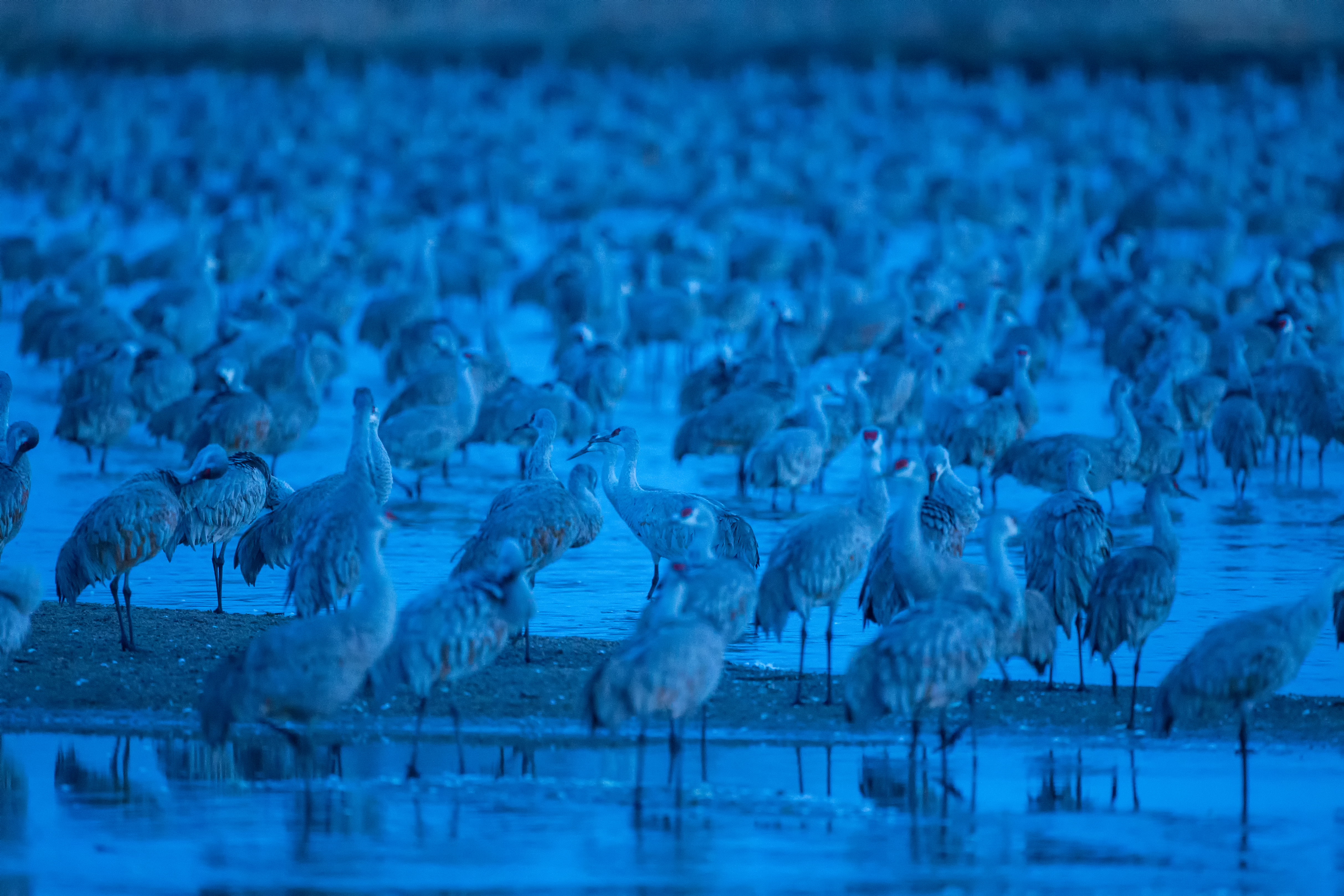
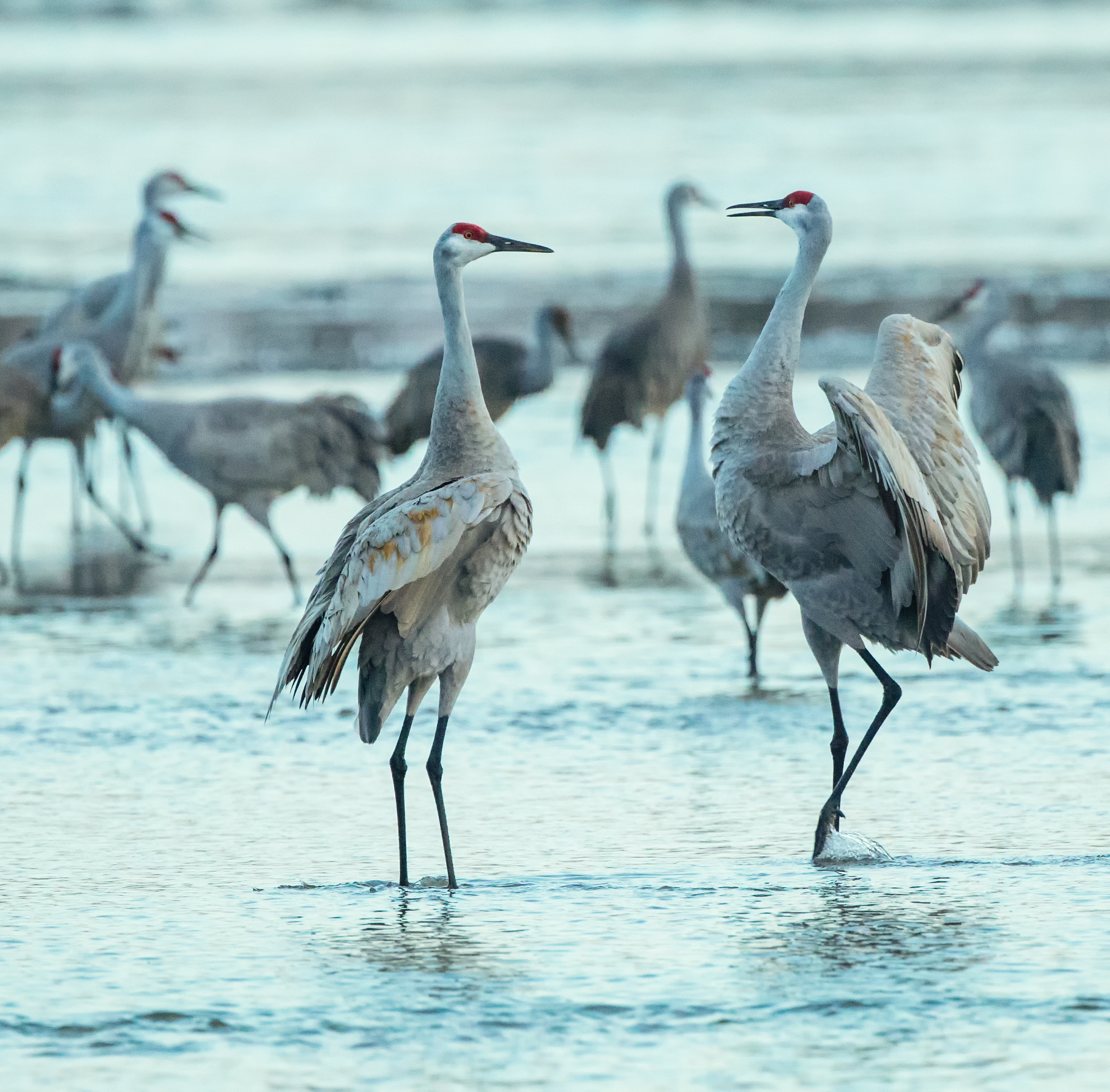
500,000 Sandhill Cranes in one location

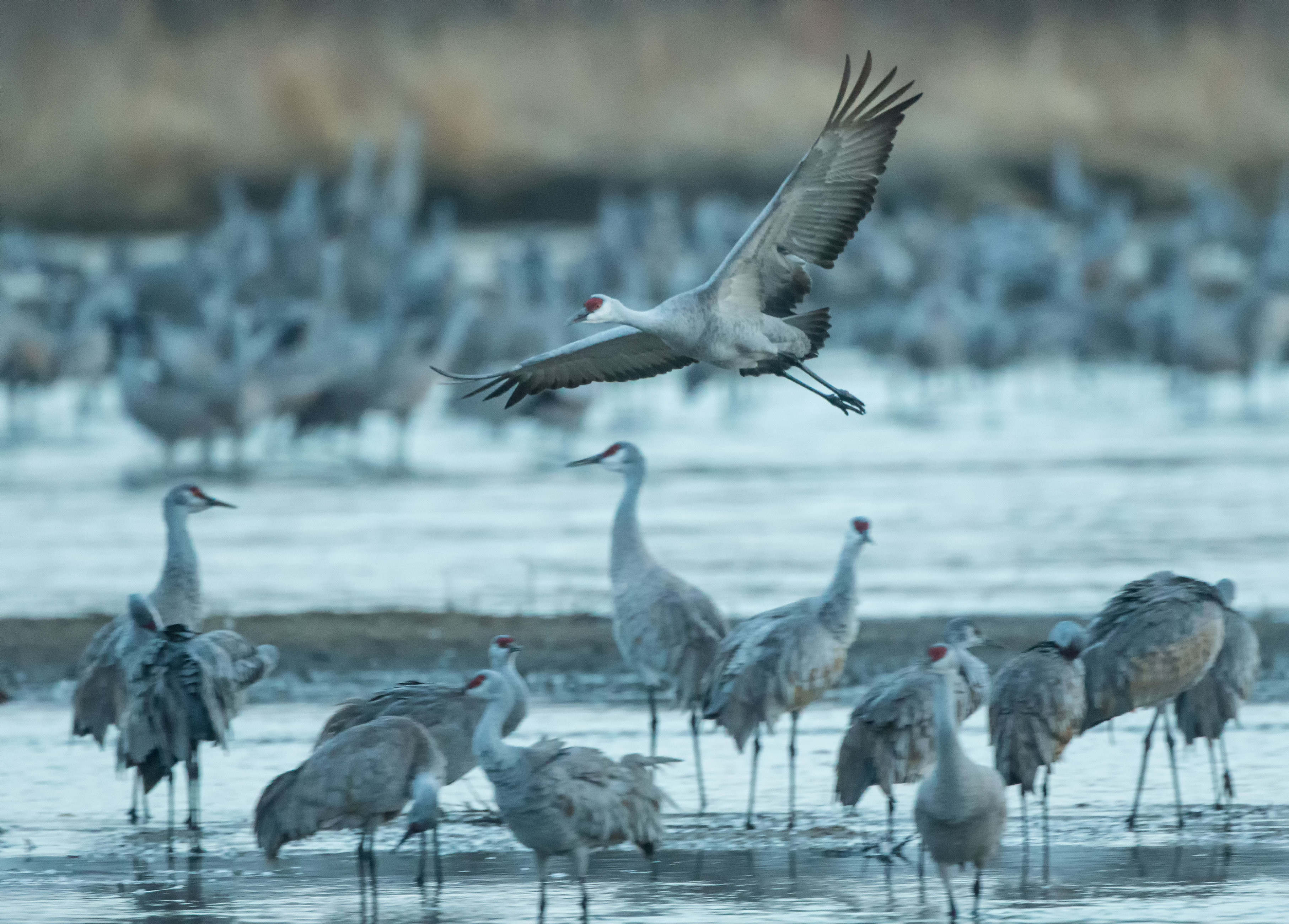
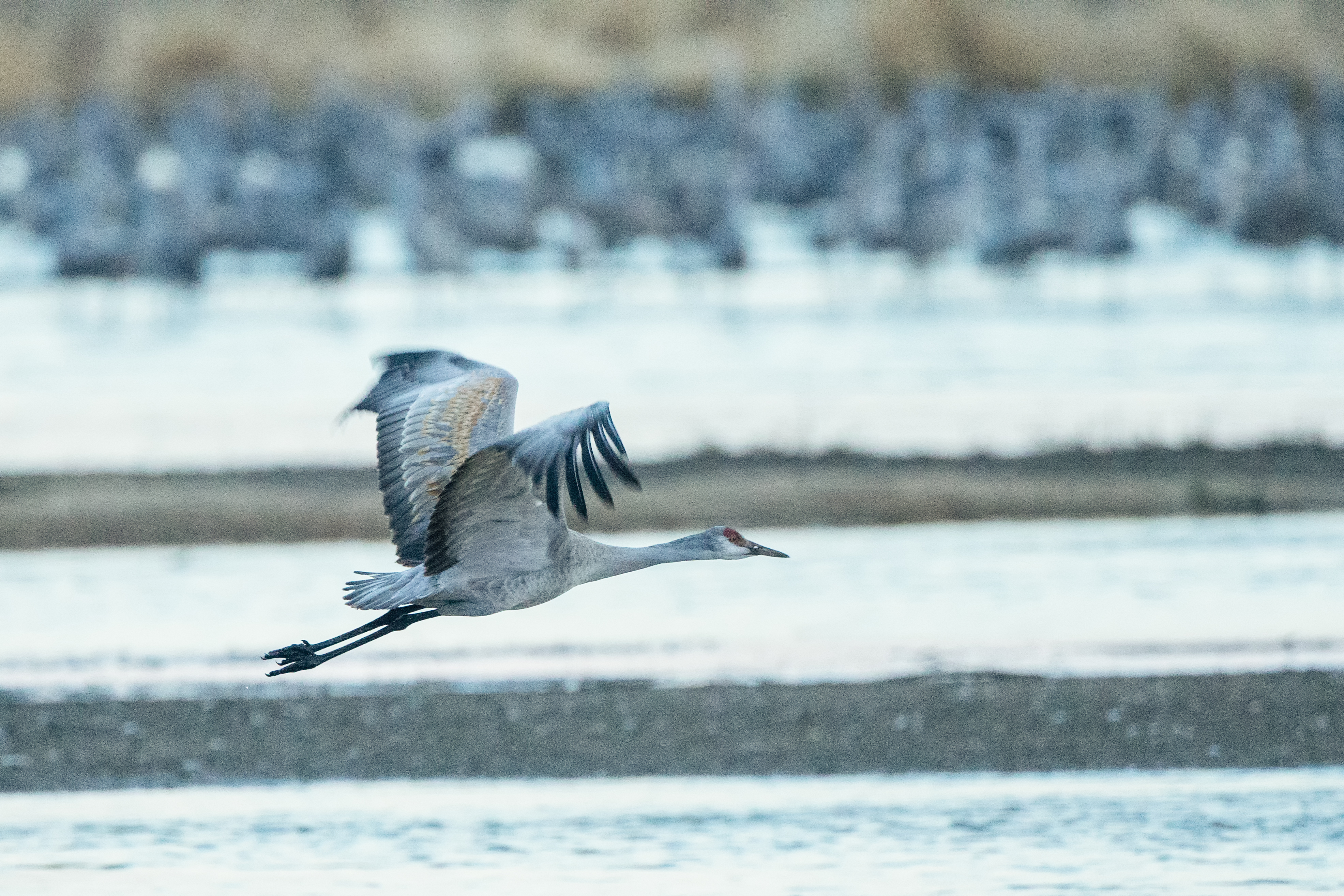
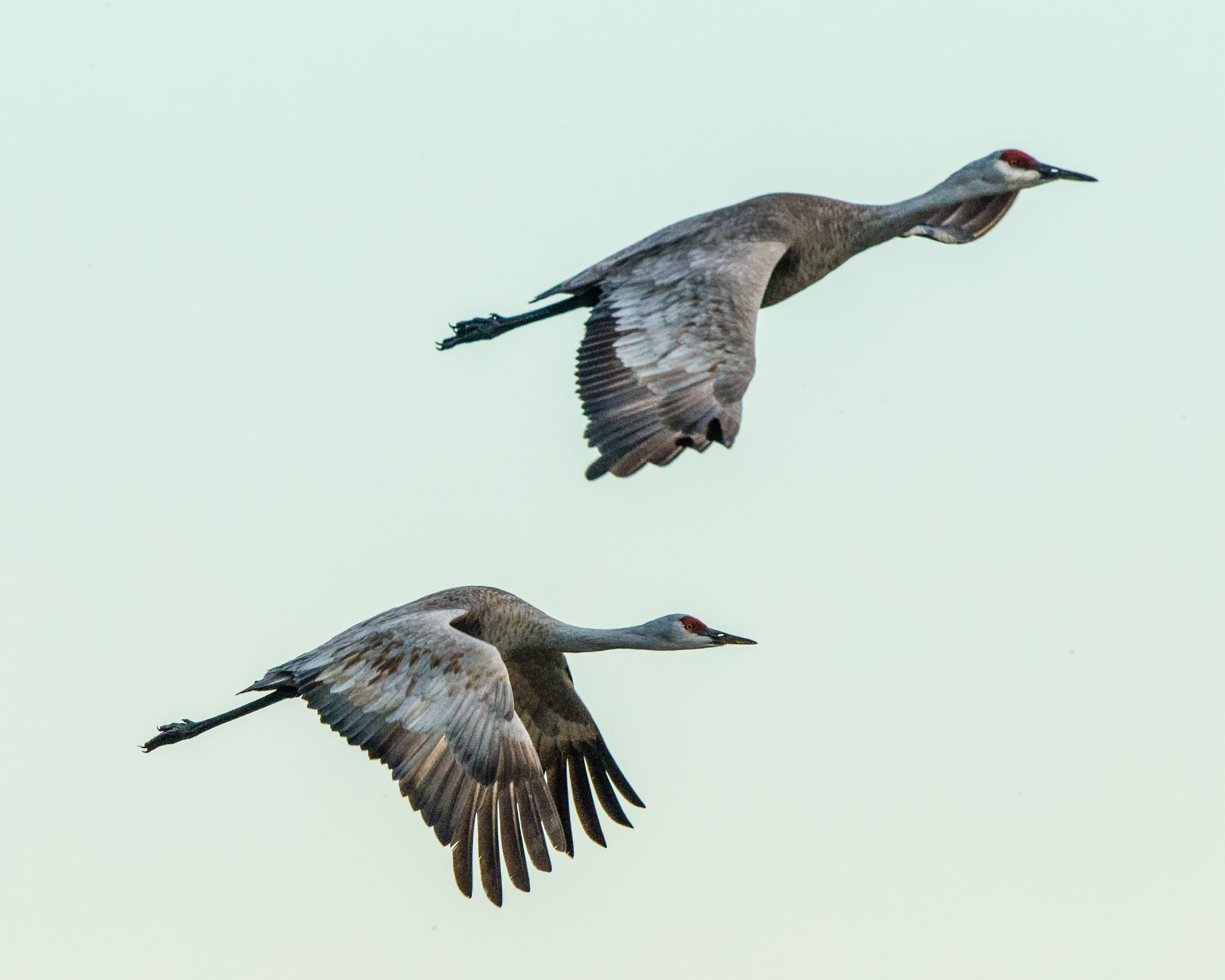
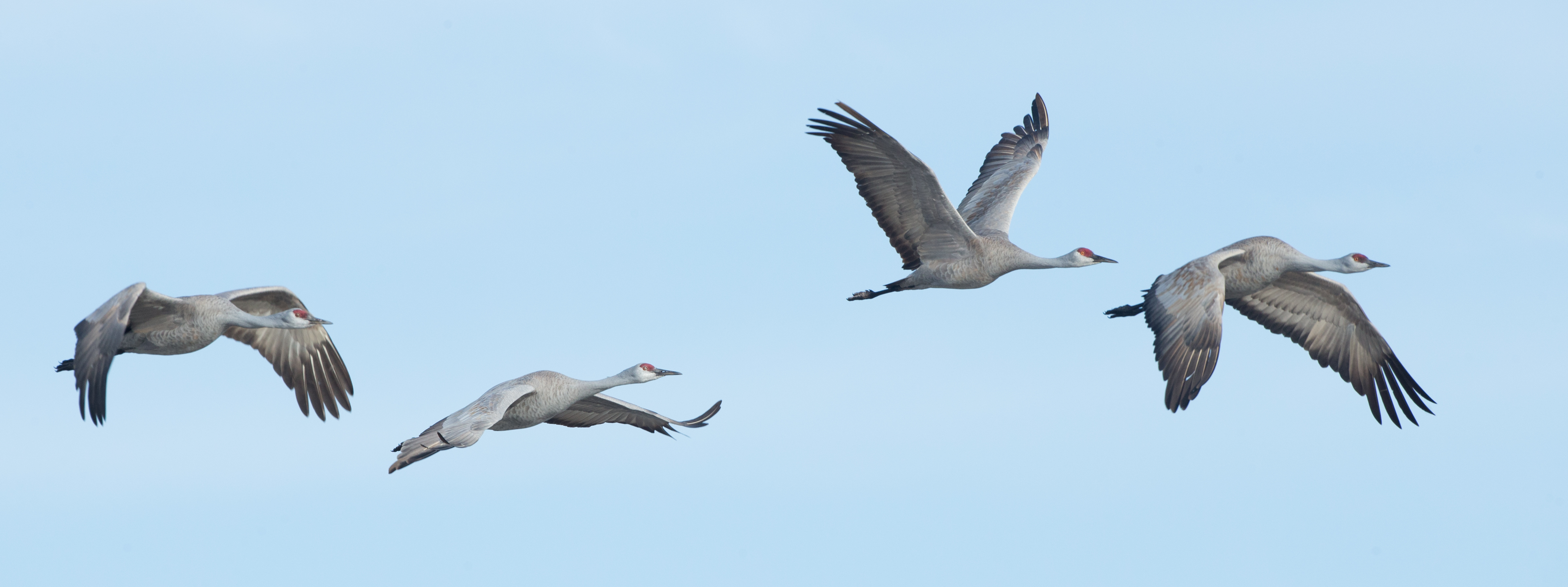
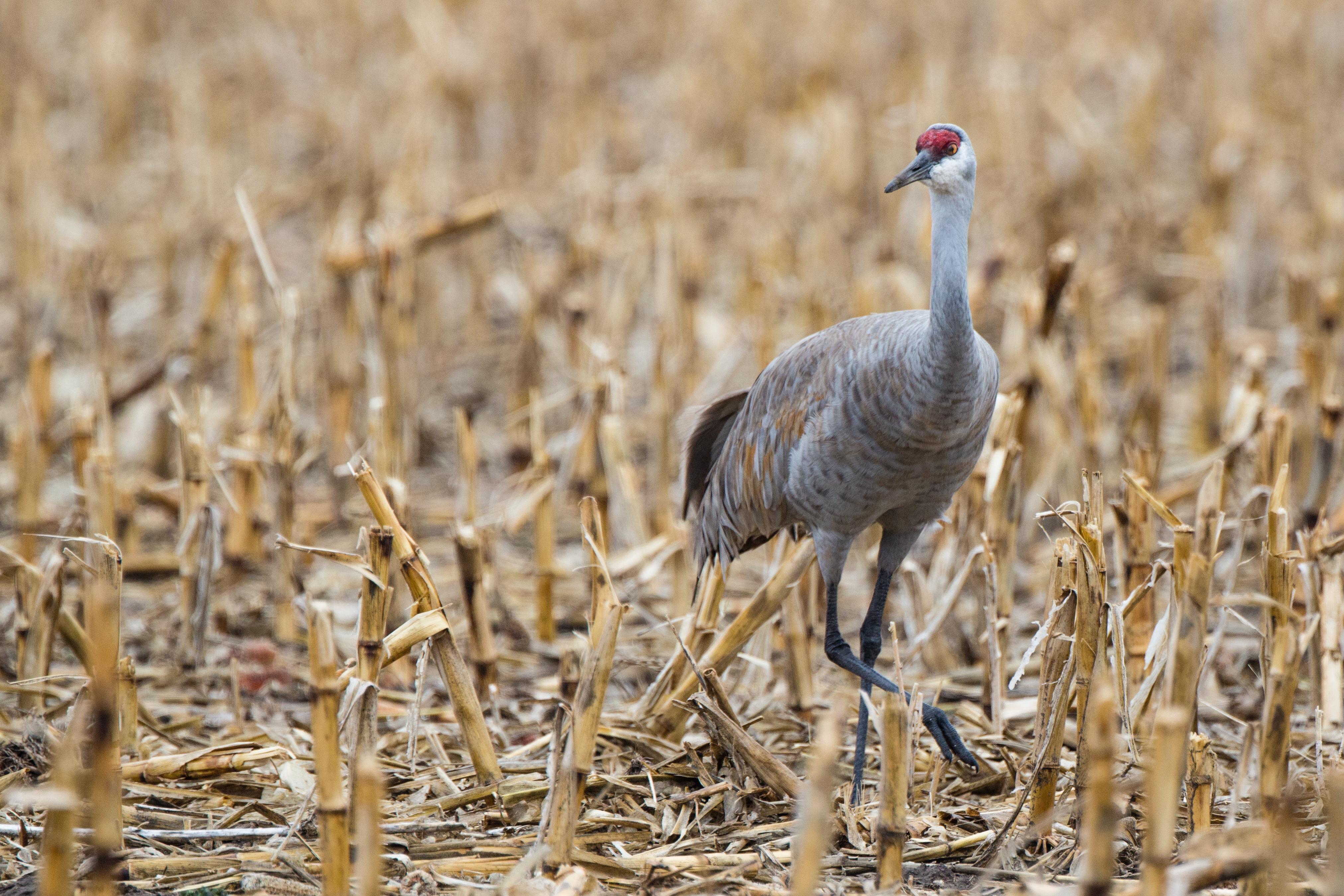
This past weekend, March 25 and 26th,  I was near Kearney, Nebraska at the Iain Nicholson Audubon Center at Rowe Sanctuary photographing Sandhill Cranes.

About five years ago I went to Bosque del Apache National Wildlife Refuge south of Albuquerque, NM.  There were about 10,000 Sandhill Cranes and 50,000 snow geese at this location and I thought that was a lot.

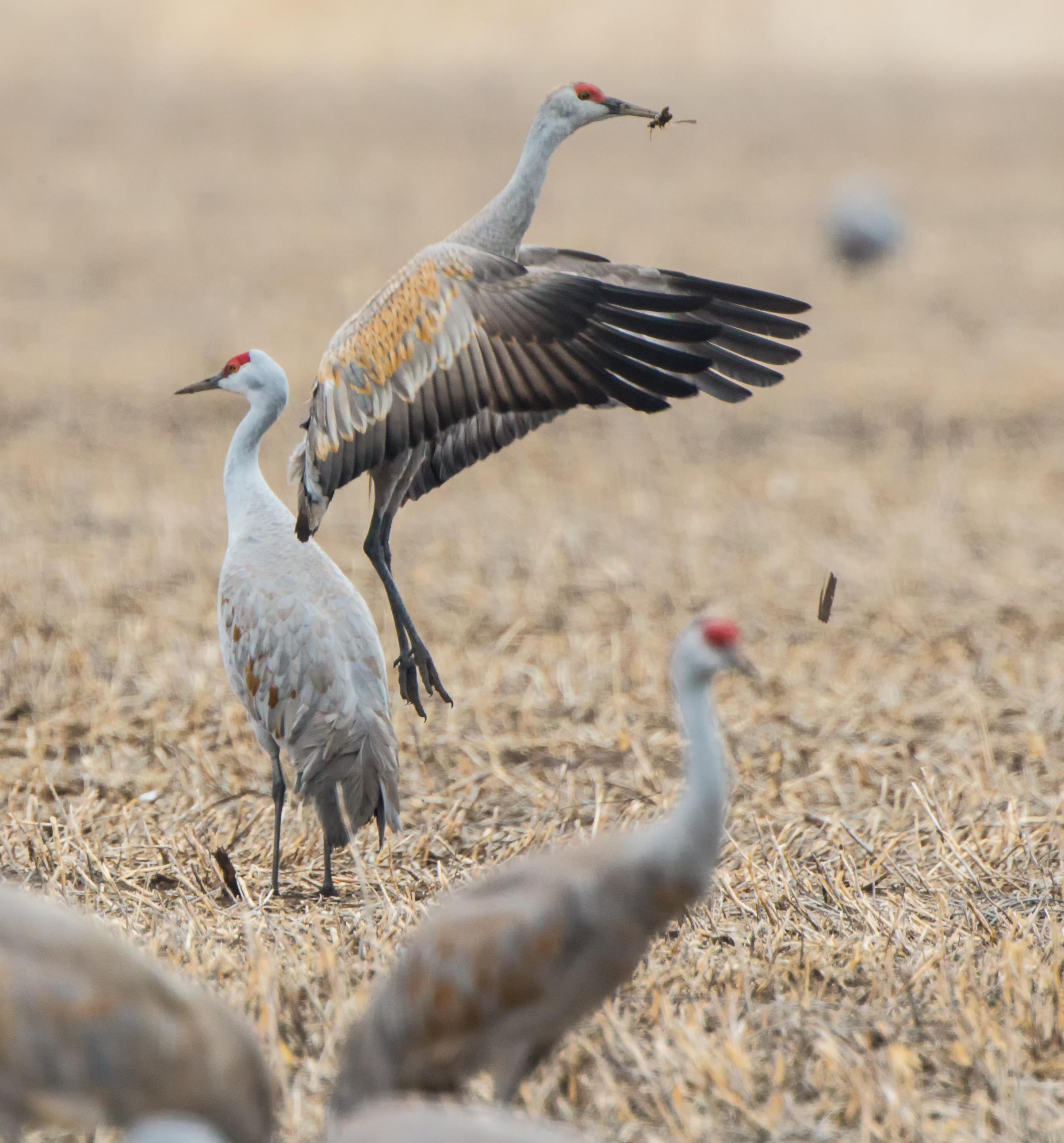
An estimated 500,000 cranes show up each March into early April at the Rowe Sanctuary to refuel for their arduous journey back to their breeding grounds in northern Canada, Alaska and Siberia.

During the day, they feed on waste corn in the cropfields near the Platte River.  Many of the farmers in the area leave excess waste corn in the fields for the cranes benefit.   They also use their sharp bills to probe for insects under the surface.

I drove around the area most of Monday making images of the cranes as they spent their day in the fields.  They are very skittish since they are hunted in seven states and are wary of anyone who stops near the edge of the fields.

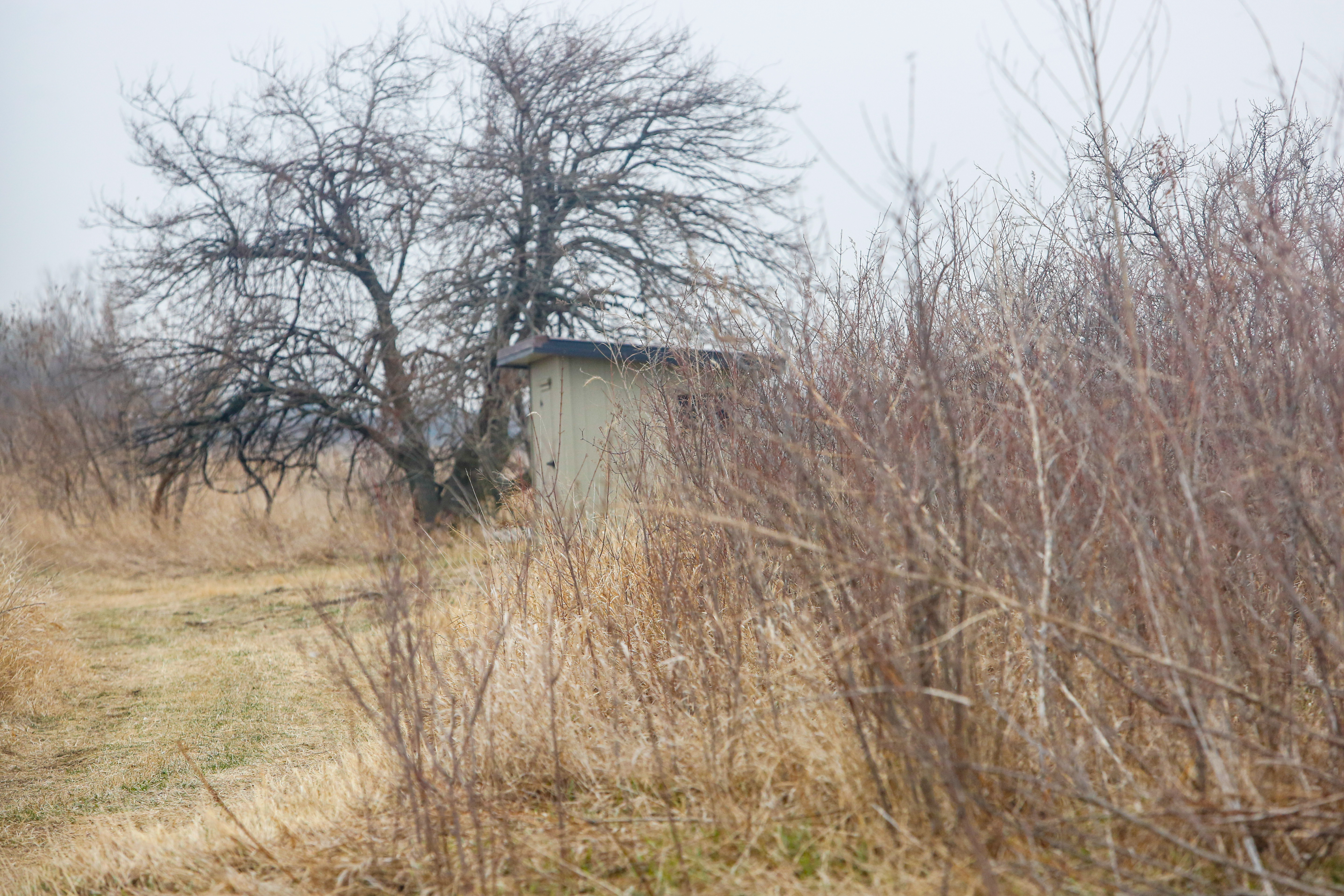
At night, the cranes move to the Platte River to get away from potential predators.  I had reserved one of four blinds on the banks of the river for Monday night. This was a blind about 30 yards from the one I occupied.

It’s big enough, they say, for two people but it seemed pretty crowded with just me in the one I had.

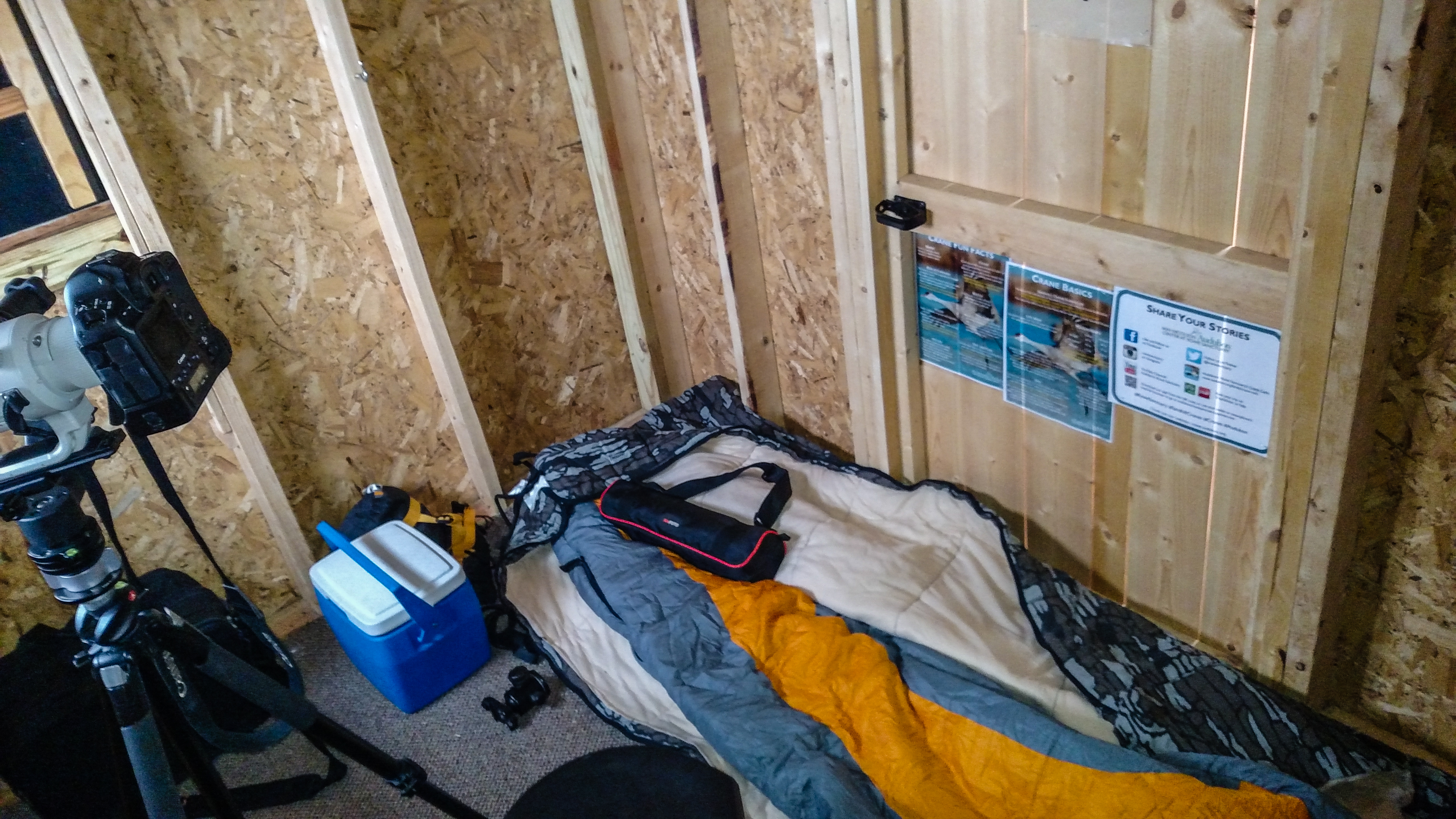
The blinds are 7′ high x 8′ long x 6′ deep.  It has four wooded window openings, two on the front and one on each end.  They are basically your neighborhood garden shed.  The rules are quite simple.  A guide delivers you to your blind between 4-5pm and they come and get you around 9am the next morning.  You are not allowed to leave the blind, nor stick your lens or your head or arms outside the windows.  I was in my blind for 17 hours.  You bring a couple of sleeping bags and whatever food and water you’d like.  No fires or heaters are allowed either.

Once I was in the blind at 4:30,  I set up my camera gear and began the wait for the cranes to arrive.  They don’t have fixed schedule but using show up around dusk.

I watched as groups of hundreds and thousands of cranes flew by heading west from my location.  For what seemed like hours, they kept coming….but not landing anywhere near my location.  I was beginning to think I had reserved a blind and not a single crane was going to land anywhere near me.  Finally, about 8:05pm.  At dark, the first group landed across the river from me and then they kept coming and coming.  Unfortunately, it was too dark to get many good images.  But I knew there would be cranes there in the morning.

It was 28 degrees during the overnight Monday.  I was comfortably warm with the clothes I had on and my sleeping bags.  I hadn’t counted on not being able to sleep due to the squawking of the cranes just outside the blind.  I got about 2 hours  and at 6:30, I opened the windows facing the river.  It was still dark but the birds were getting restless and soon would begin lifting off and heading back to the fields.

During the next few hours, small groups of three’s and four’s began to leave.

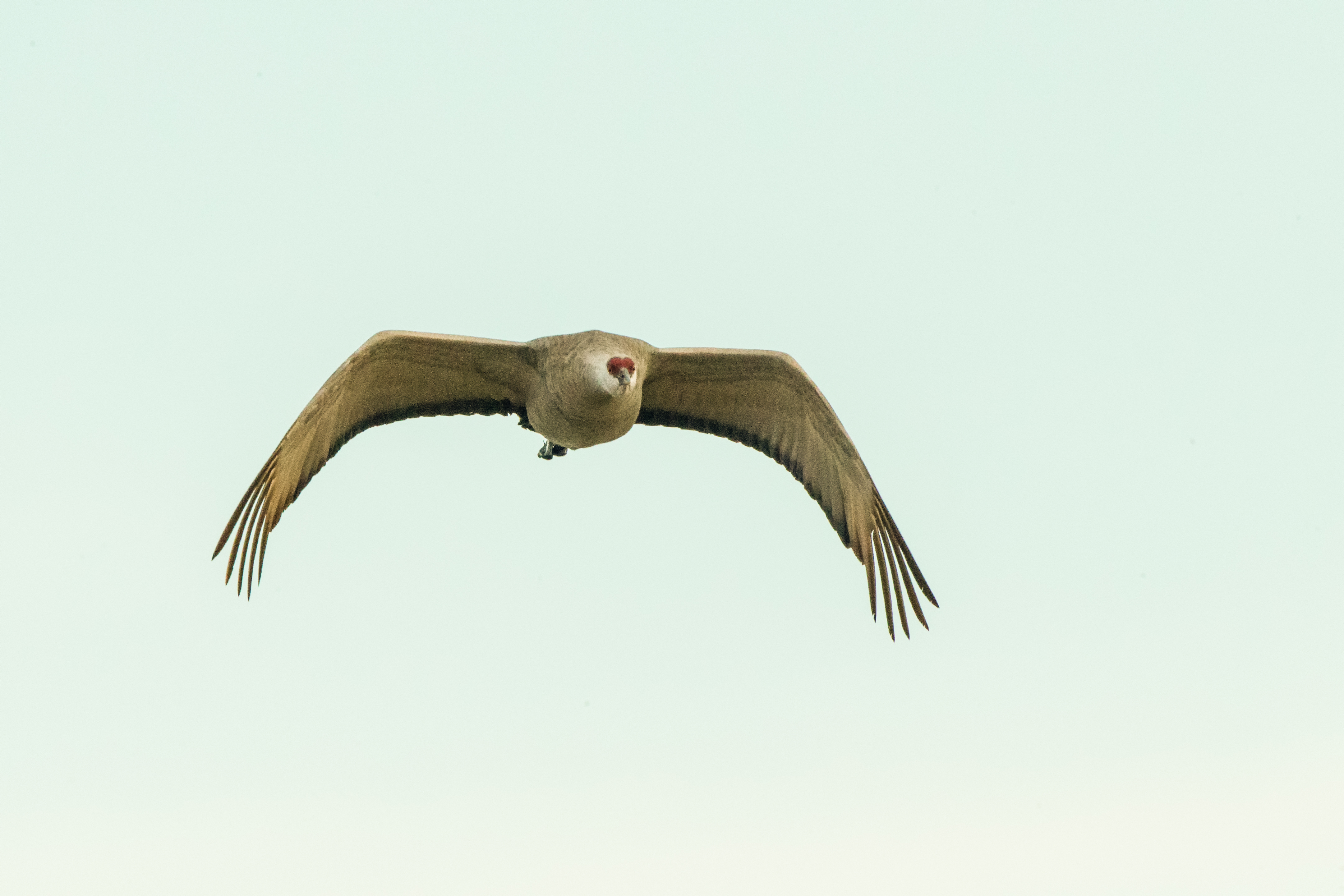
Sandhill cranes are 3-4 feet tall with a wing span of about 6 feet.  They weigh 8-12 lbs and live 20-40 years.  There are a total of 4 blinds for two people and one larger one for small photo tour groups.  Reservations open on January 2. I made mine on January 3.  They also do guided tours to larger blinds both in the morning and in the evening for non-photographers and separate tours that last a couple of hours for photographers who don’t want to spend the night in a blind.

This is the largest gathering of Sandhill cranes in the world.  For accessibility, Bosque del Apache in New Mexico is much more conducive for photographers because the cranes that go there are tamer.  Photographers line up along the shore there and make images without the many restrictions in place here.  The goal of this sanctuary is to protect the cranes and that’s why they are so restrictive.

I don’t consider myself a “birder” but it’s hard not to be impressed by the quantity of birds in one location.


Posted in Random | Leave a comment

Some Thoughts on Travel Styles

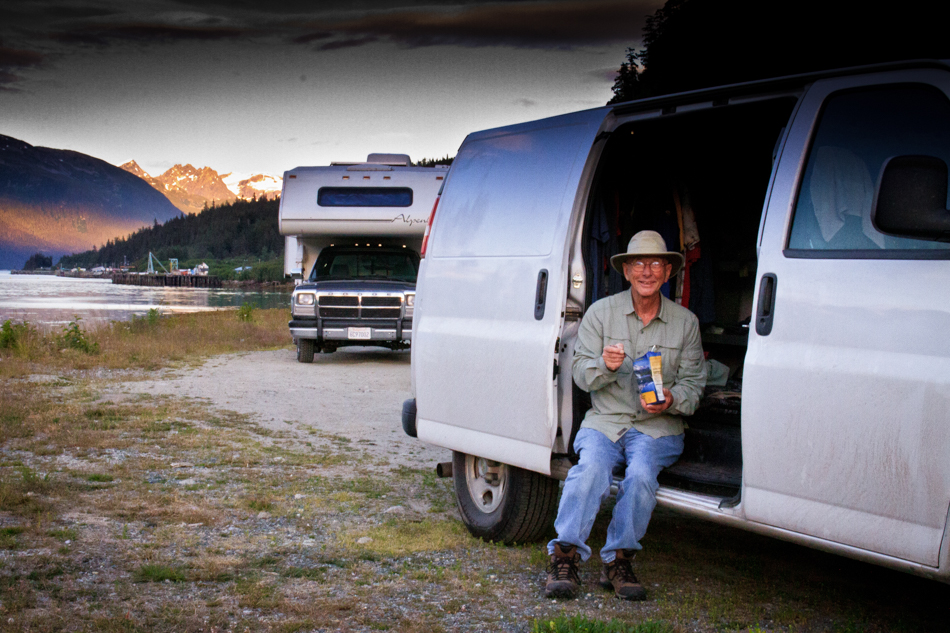
Since I began traveling extensively seven years ago with a nearly two month trip to Alaska, my style of travel has adapted to fit the situation.  When I went to Alaska I drove my cargo van from Dallas and back.

I lived in that van or slept in a tent for all but three nights while in Alaska and three nights in motels on the way home because my traveling partner on the way home, Jean, wasn’t going to sleep in either of those other two places.

I was trying to see and do as much as possible for the least amount of money.  I’m willing to spend money to do whatever is necessary to see certain things.

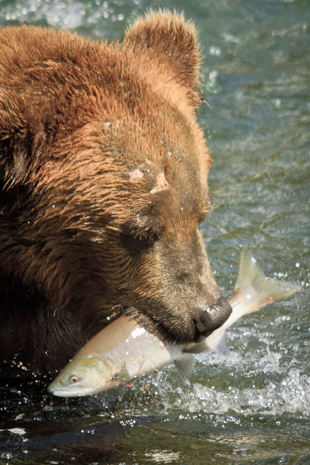
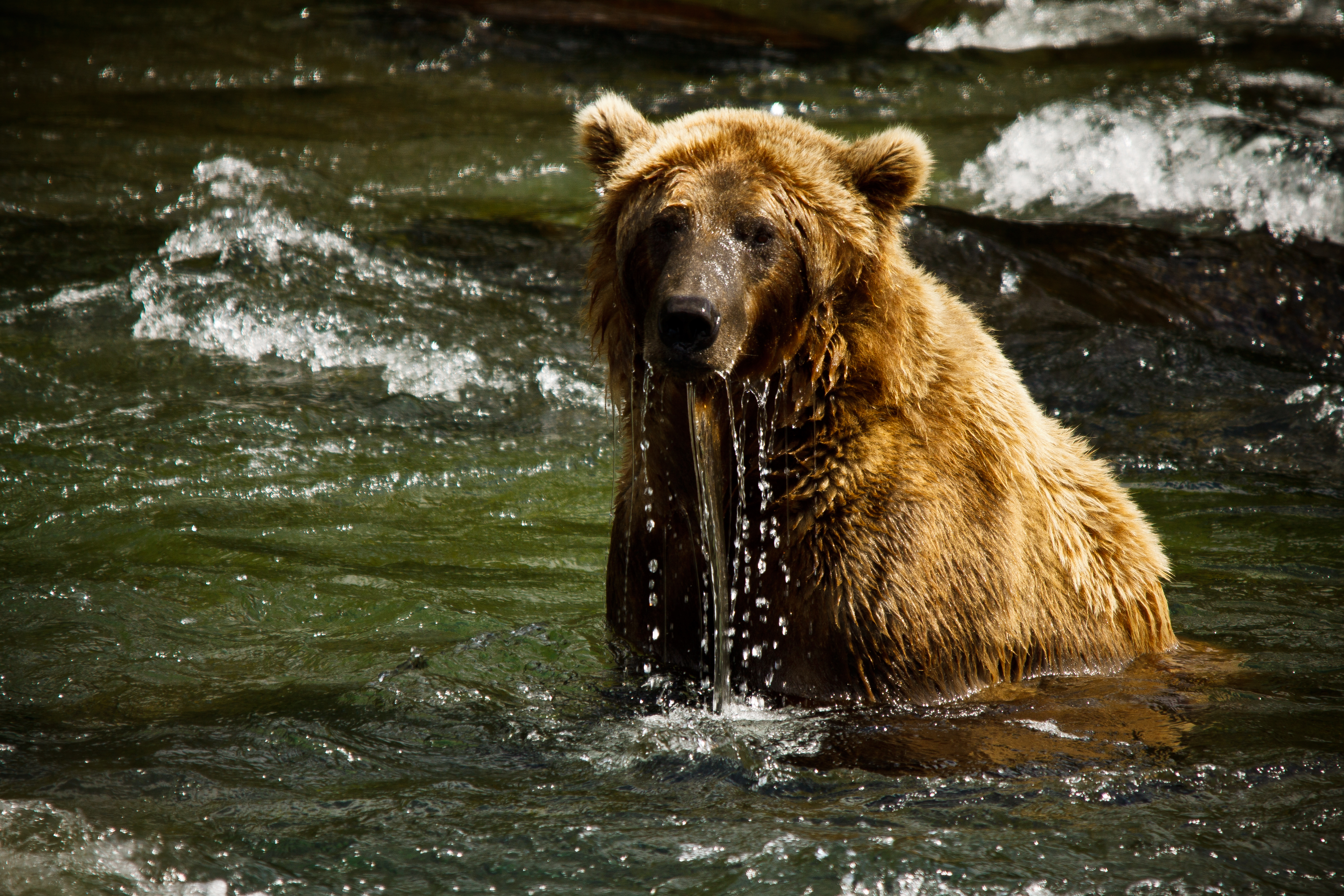
For example, it was $1250 for one night at Brooks River Lodge, including air fare from Anchorage, to see about 40 grizzly bears in the McNeil River in Katmai National Park.

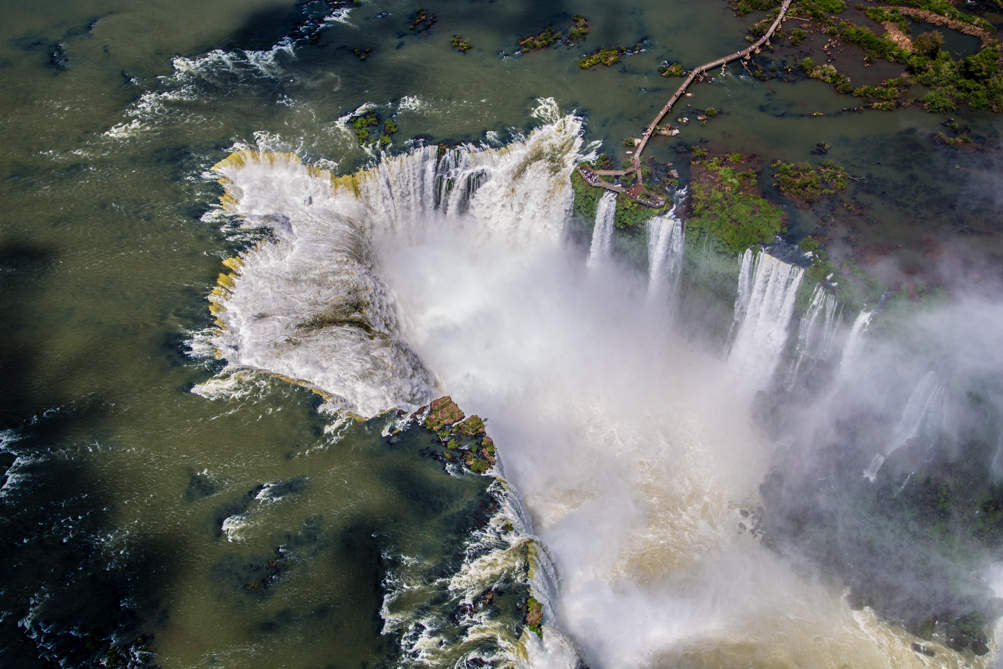
Iguasu Falls on the border between Argentina/Brazil    

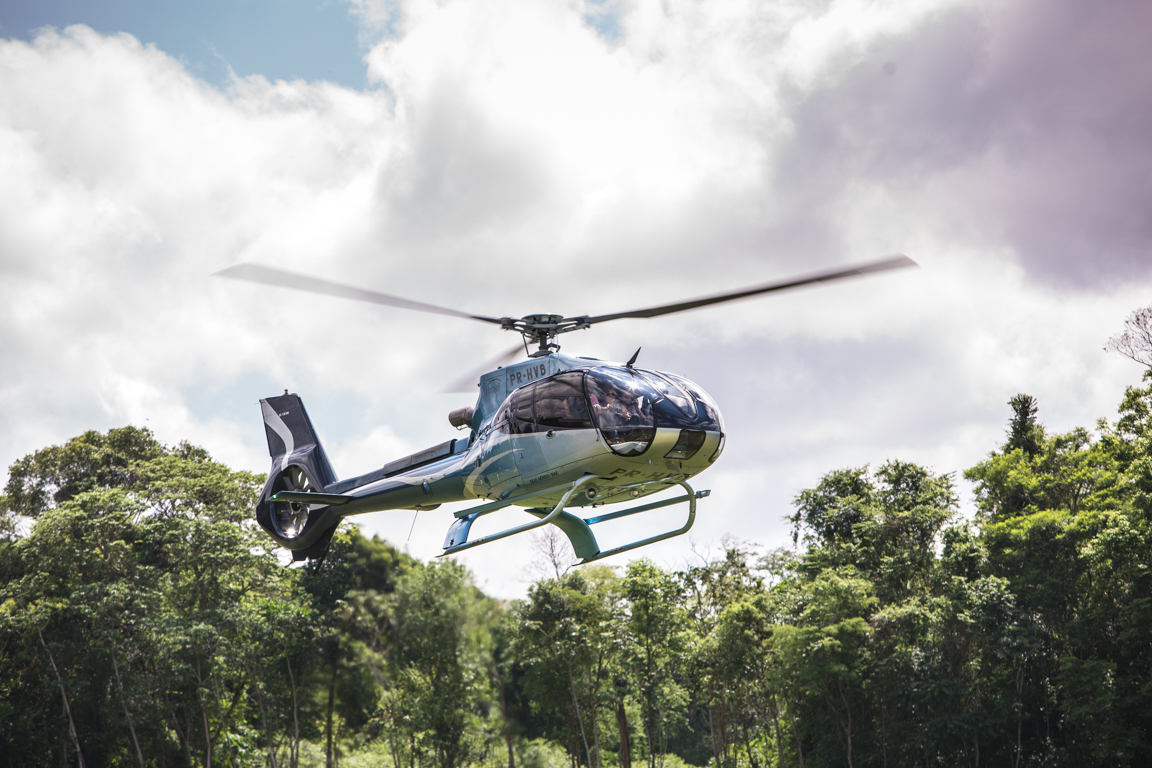
I’ve also taken two helicopter rides and booked a hot air balloon trip in Africa that was cancelled due to weather conditions in order to experience places from different perspectives.  Conversely, I spent less than $100 to camp for five nights in Denali National Park.

I believe there are two ways to travel: with a group or independently.   Independent travel could also be solo travel or with a friend/spouse and where you make your own arrangements for the trip.  Most of my trips have been independent travel.  The only exception was my trip to South Georgia Island last October.  That was group travel.  You either go with a group on a ship or you don’t go.

When David and I started talking about the possibility of a trip to Japan, he told me he didn’t have time to plan it but if I organized it, it love to go.  He asked me what I thought it would cost us.  I had started doing the research already and I threw out a number that I thought was reasonable.  We came in very close to that number.

Another way we could have done this trip is with a small group of individuals led by a professional photographer or two.  Group travel.  The difference in cost would have been two to three times more money and about a week shorter.  One photographic tour group I know of had two photographer co-leaders and a Japanese speaking local guide.   I believe there were about eight people in the group.  Those eight had to pick up the travel expenses for those three leaders and permit them to make a profit for their efforts.  When traveling with a professional photographer you are also getting photo tips and instruction, as well.  There is value to that.   I have the time and I’d rather take more trips and spend less money.  See more, spend less works for me.

When you travel with a group, photographers or not, everything is planned for you.  You don’t have to worry about where you’re going to spend the night, where you’ll have lunch and dinner or how you’re going to get from place to place or what you’re going to see.  There are advantages to that kind of trip.  Also, these leaders have been to these locations before so you aren’t wandering around trying to find some specific location.  For me, a little wandering leads me to places I didn’t expect to see and to photo opportunities I might not have seen otherwise.  Likewise, I may miss something the professional tour guide would have taken me to.

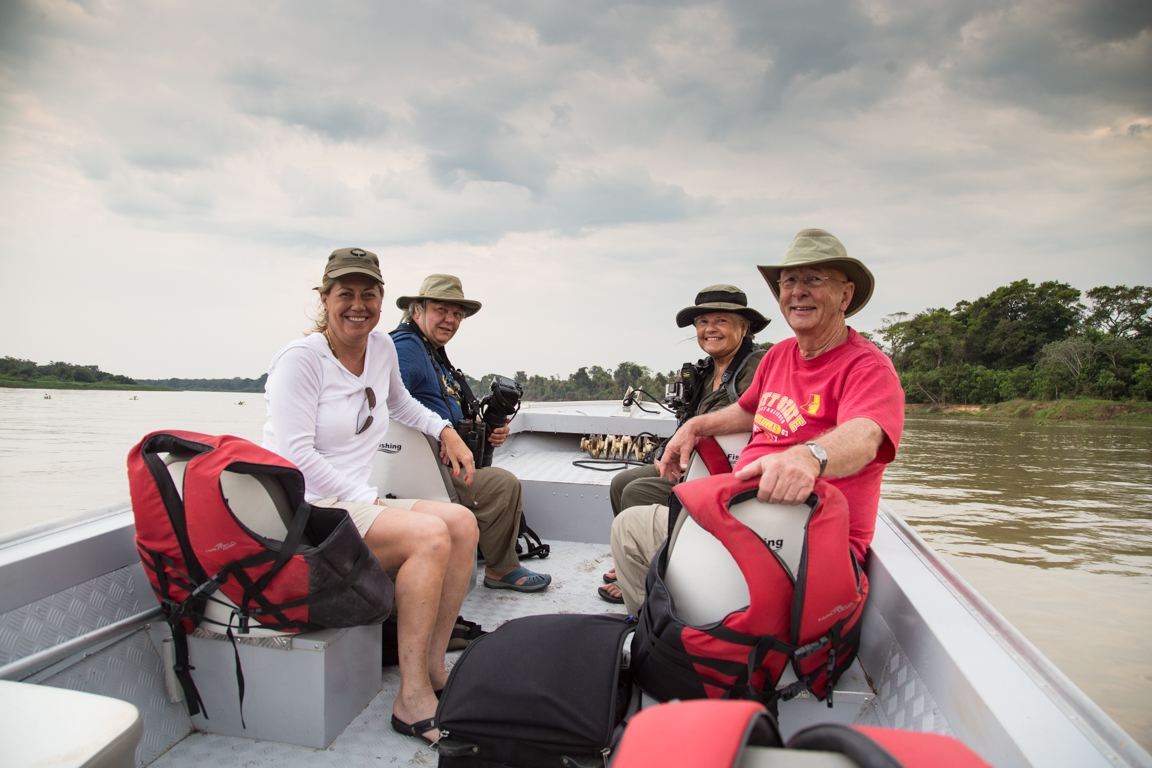
I’ve also booked myself into a place like Jaguar Camp in Brazil and been included with other travelers for a few days to share our experiences.  Even though I met up with others, I did the research of where to go and booked directly with the owner of Jaguar Camp.

I met three sisters on that trip, one of whom reads this blog, and we have periodic communications.  When our time together was over, we each moved on to other parts of our trip.  When I went to Ecuador, I got myself to the Galapagos, booked myself on a one week cruise and met up with thirteen others.  One of those also stays in touch through my blog. I did the research on where and when to go but when I got there I had a shared experience with others.

I’ve found I like a mix of group and solo travel.  For David and me, I liked traveling with someone that I could share common interests and experiences with yet we were in control of where we went and what we saw.  It wasn’t perfect.  We got on the wrong train, got lost in a part of Tokyo and went searching for places to eat.  We turned onto roads we hadn’t planned on traveling and found places we hadn’t expected.  Yet, that was part of the adventure.  In the end, we saw what we went there to see and found a number of things we hadn’t planned on seeing.   I consider our trip to be like solo travel.

Now, quickly to tell you what I liked about each of the photo groups in the last post.

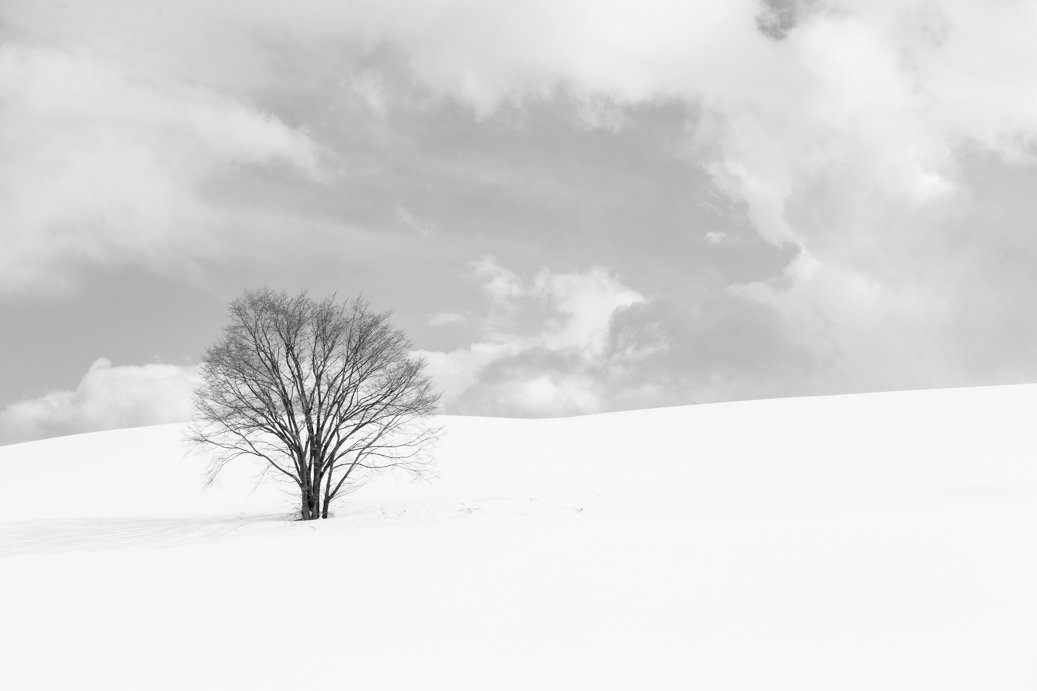
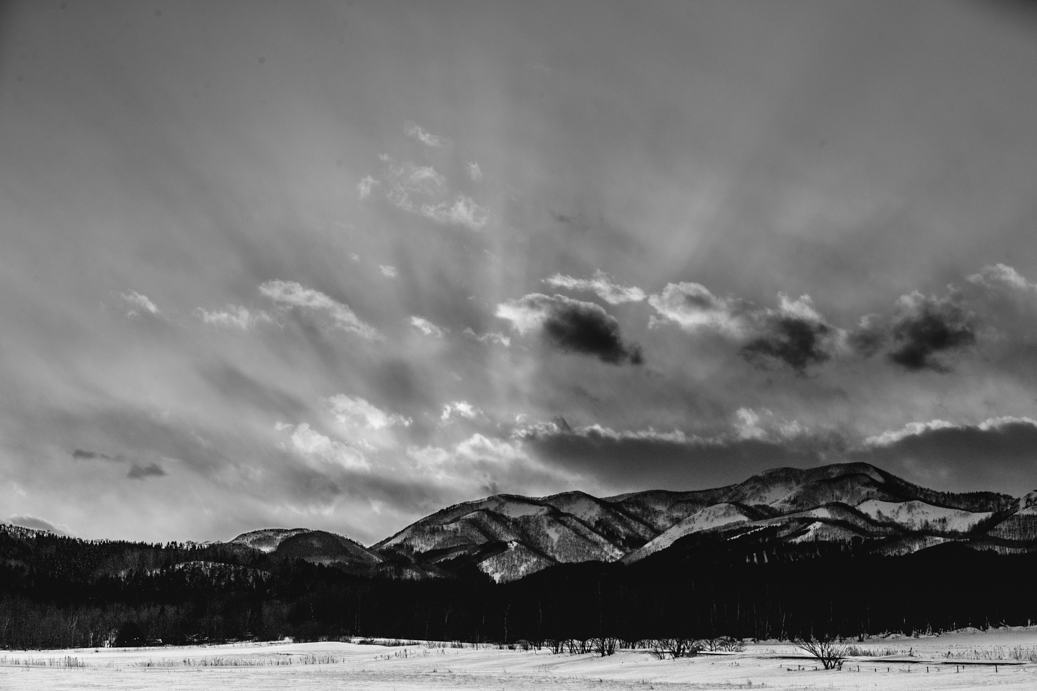
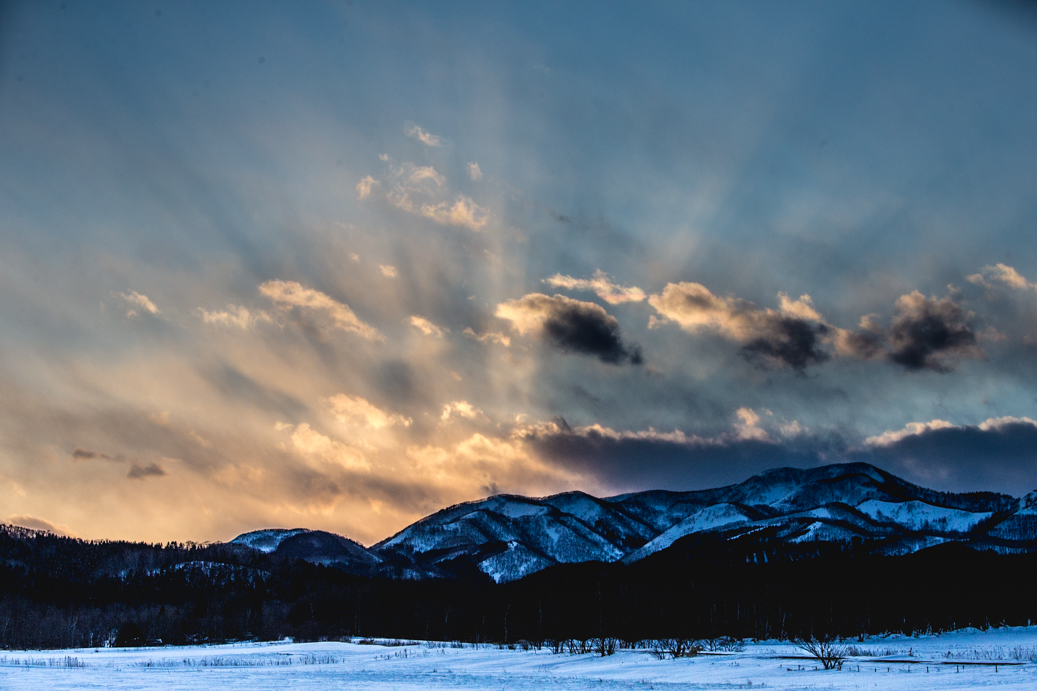
For me, #1 could have gone either way but I decided I liked b & w slightly better.

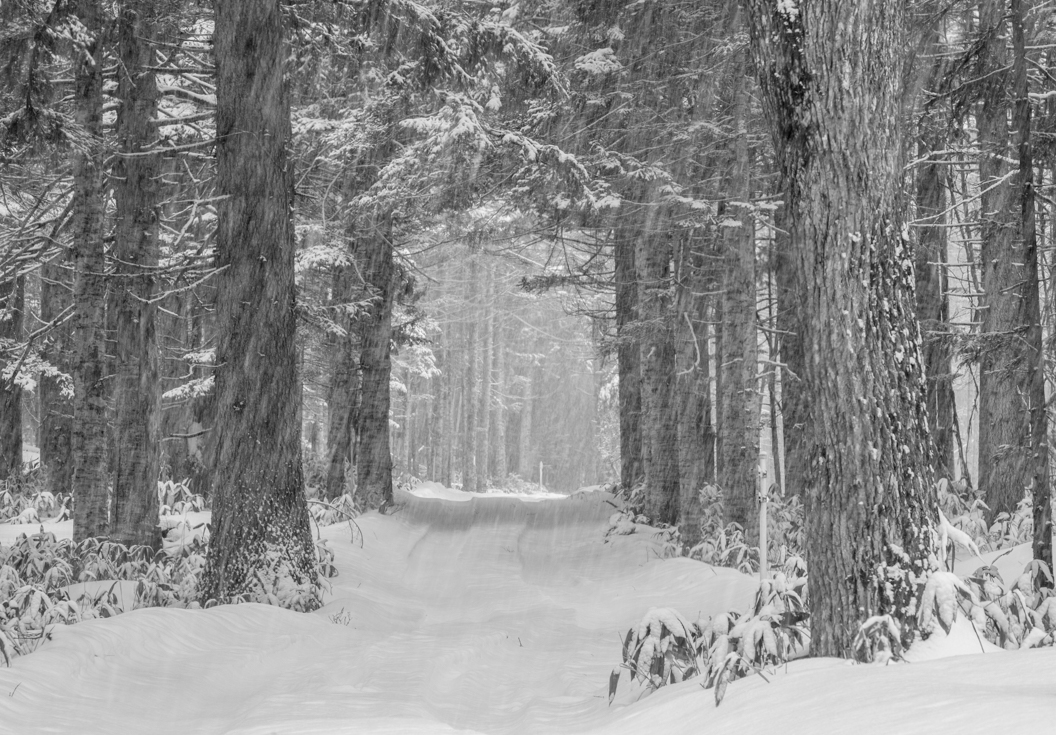
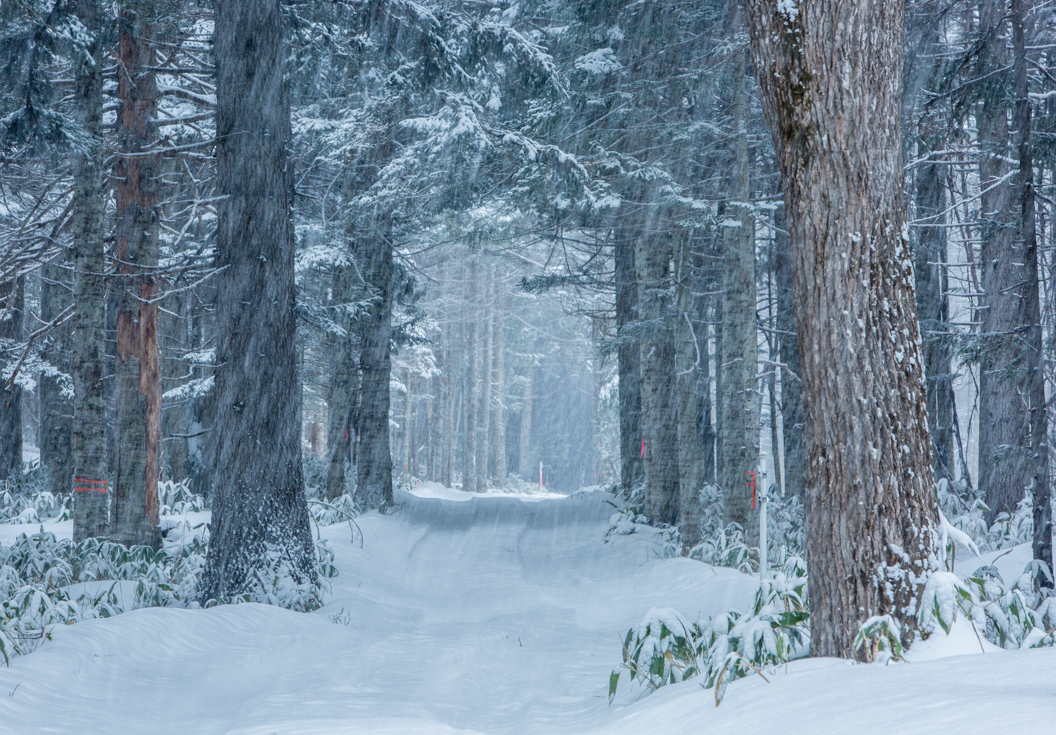
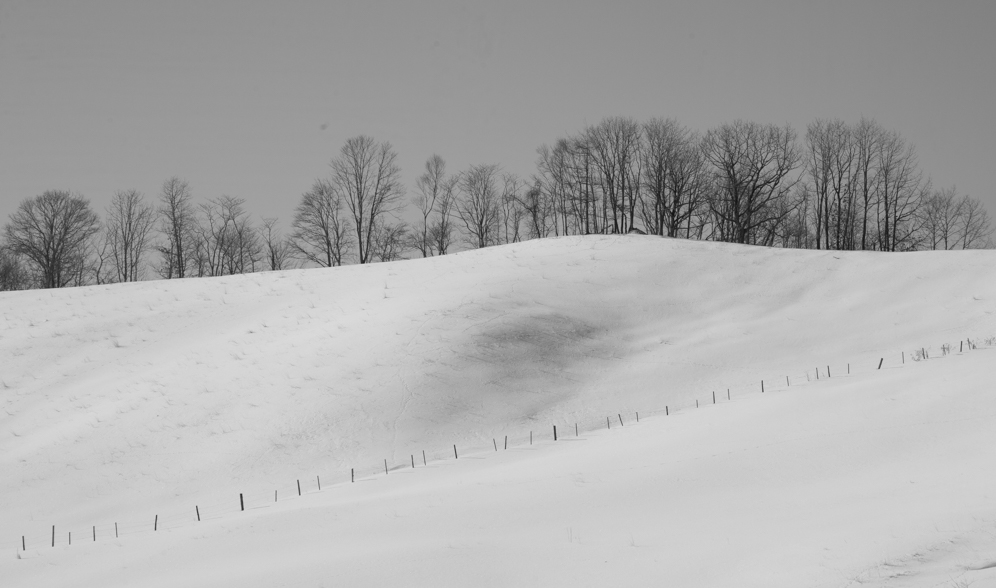
What should have been #2 and #3, the two snow paths in the trees were largely b & w images.  The blue cast should have been corrected before I posted them.  B & W for me. #4 went missing,

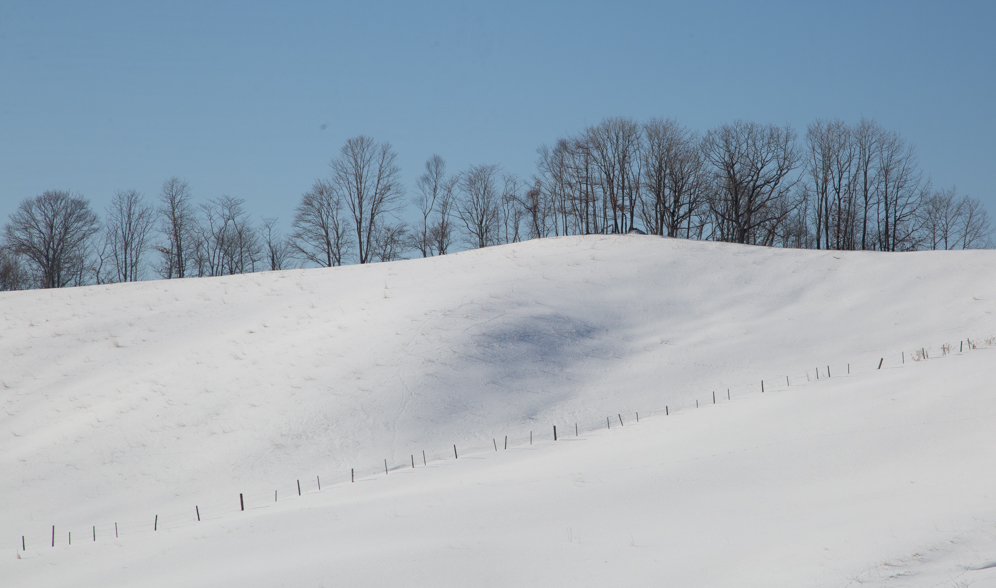
#5 & #6,  again I felt were black and white images except for the blue sky so again, I chose b & w.

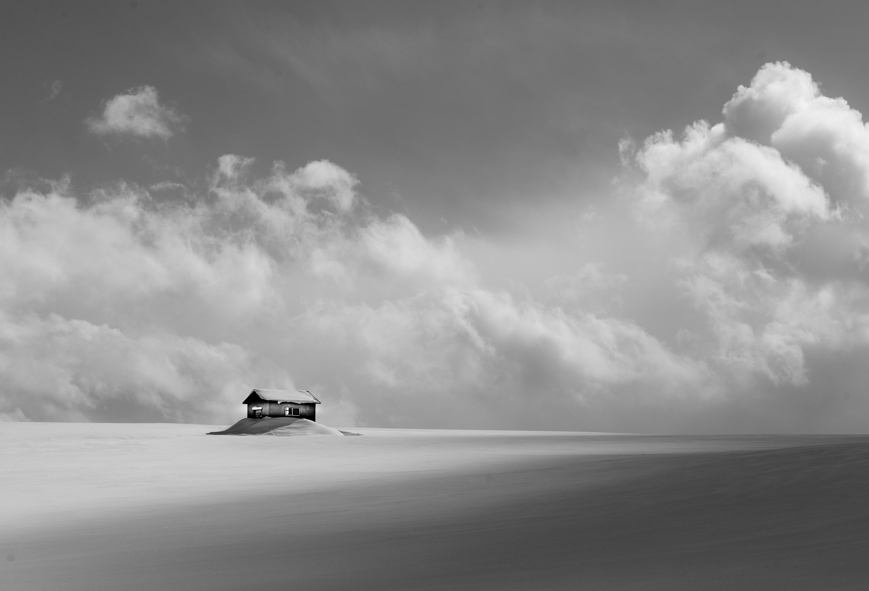
#7 was always b& w for me.  I like the drama of it although I can see why several still liked it better in color.

The last two, #8 &  #9, I believe are better in color.  I liked the drama in the sky in #8 and felt it lost that in b&w.  Lastly, #9, could also have gone either way but my preference was for color.

Thanks to everyone who’s participated.  If you haven’t had the time yet, don’t let my opinions keep you from making your choices.

This post will end the Japan blog series.  Until my next trip.  Thanks for reading this.
I appreciate all your comments and suggestions.

Ron


Posted in Random | Leave a comment

Wakkanai, the northernmost city in Japan!

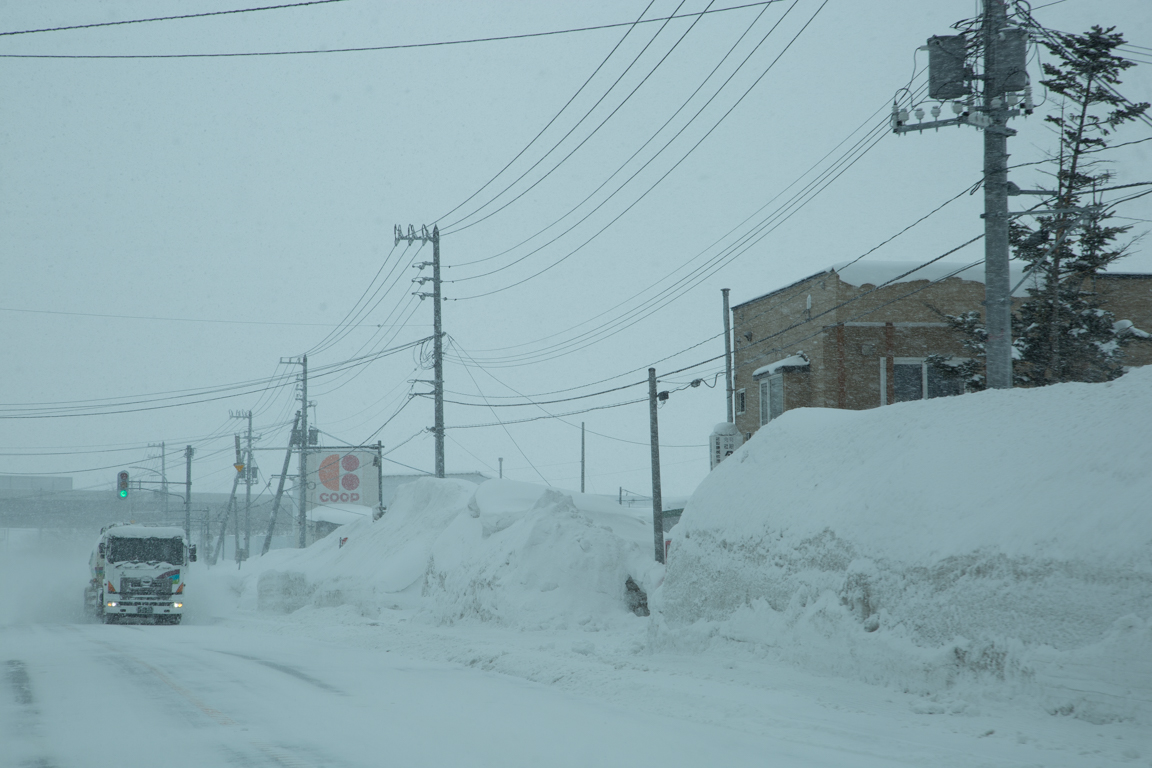
Wakkanai, Japan’s northernmost city, is only six miles across the channel from Russia.  And it’s Russia, specifically Siberia, that influences it’s weather.  It’s the cold north wind blowing in from Siberia that brings massive amounts of snow to this area.

As we drove in, the blowing snow made visibility nearly zero as we approached the city on the national route 40.  Our hotel here, the ANA Crowne Plaza, was unquestionably our nicest hotel of the trip.  Yet, it wasn’t the most expensive.  It seemed nearly empty when we arrived on Thursday afternoon but Friday night there were several tour buses parked out front and quite a few more cars in the parking lot.  There were dog sled races near the city that weekend.

Wakkanai isn’t at the top of the list of tourist locations in Japan.  During our trip, David and I didn’t go near what is probably the best known city in Hokkaido, Sapporo.  There may be ski resorts near that city but the only one we saw in Hokkaido wasn’t operating.

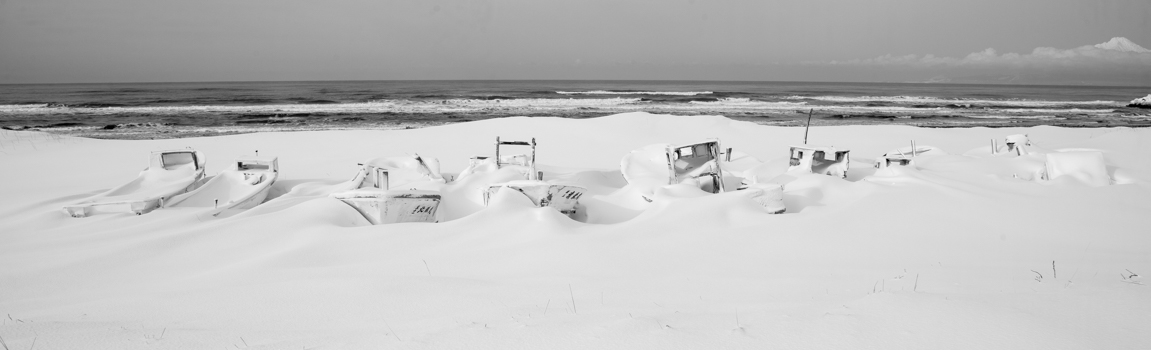
We came to Wakkanai to photograph what is referred to as the “boat graveyard” and other coastal scenes.  The boat graveyard is a group of nine small fishing boats that are decaying near the beach about an hour south of the city on the western shore.  When we found them, they were nearly buried in snow.  I’ve seen other images of this location taken in January and February and there wasn’t nearly as much snow as when we found them.

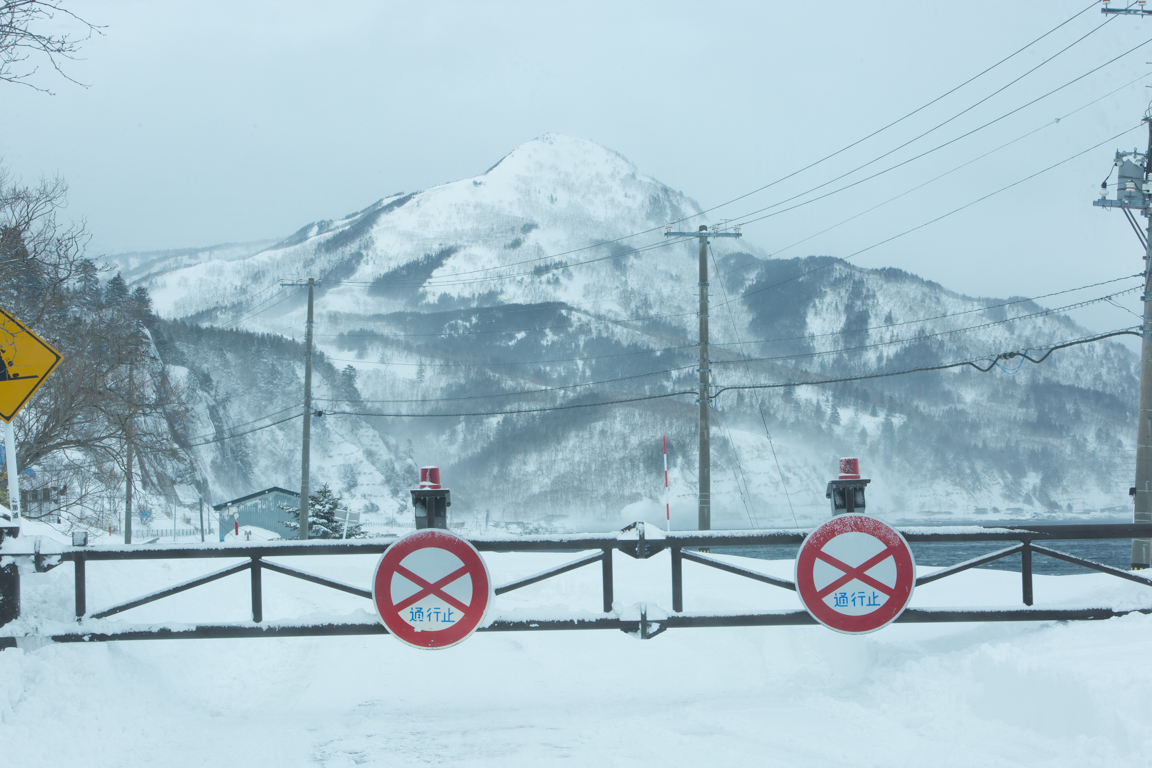
As we worked our way around the boats, we occasionally sank up to two feet in snow drifts.  We tried to go back to his location two days later and the coastal road was closed due to blowing snow and near zero visibility.

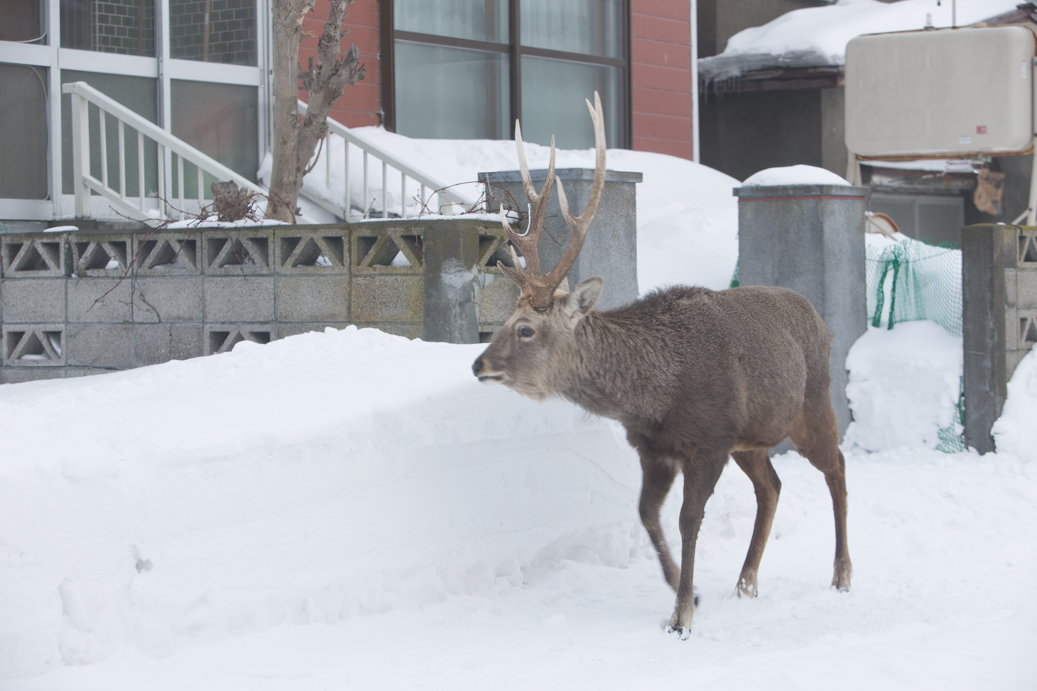
We spotted  this Axo deer wandering the streets not far from our hotel.

This light marks the entrance to a harbor on the eastern shore south of Wakkanai

The lighthouse at Cape Noshappu.  This is the lighthouse at the harbor at the very north end of Wakkanai about 5 minutes from your hotel.


This image shows the underside of a breakwall visible from our hotel room.  The outside, left side as you view this image, protects the shore from the pounding surf,  the underside is used as a place for people to walk for exercise. I didn’t appreciate it much viewing it from my room but once you see it from underneath, it is quite artistic.

I loved the pillars and the design of the ceiling.  This is one of my favorite images from the trip.

David and I turned in our car at the Wakkanai airport on Monday, Feb. 26.  We flew ANA Airlines back to Tokyo’s Haneda Airport where David had a connecting flight (after a six hour layover) back to Auckland.  I had to do another night in Tokyo because I was unable to make the connection.  I stayed at the same hotel about 15 minutes from the airport that we’d stayed at on our two previous stays in Tokyo.  The next day I wandered around the neighborhood before taking the subway back to the airport for my flight to Minneapolis and then on to Kansas City.  I left Tokyo Tuesday, Feb. 27 at 3:30pm (Tokyo time) and arrived in Kansas City on Tuesday, Feb. 27 at 4:30 (Kansas City time). Yes, that’s correct.  It seems like I arrived in Kansas City an hour after leaving Tokyo but, unfortunately, that wasn’t the case.  I gained a day due to crossing the International Date Line.

I appreciate those of you who participated in my color versus black and white blog.  There’s still time to offer an opinion.  I’ll give you my two cents worth and have a few thoughts on different travel options in my final blog on Japan in the next installment.

Posted in Japan | Leave a comment

A Landscape Interactive Blog Post

The first half of my Japan trip has largely centered around wildlife.  Snow monkeys, Red-crowned cranes, whooper cranes, Stellar sea eagles and white-tailed eagles. We even had a arctic red fox and, although I haven’t included them, a couple of Axo deer.

As David and I made our way to different locations we’ve also been looking for interesting landscapes.  Today I’d like to offer a variety of images that I’ve made and ask for you opinion.  Many of these images could be either color images or black and white ones.  I’m going to show you some of them and ask you to tell me whether you prefer the color version or the black and white one.  You can simply say “#1 color or #1 b&w’.  If you’d like to give your reasoning, that would be great, as well.  I would love to hear them.  So let’s get started.

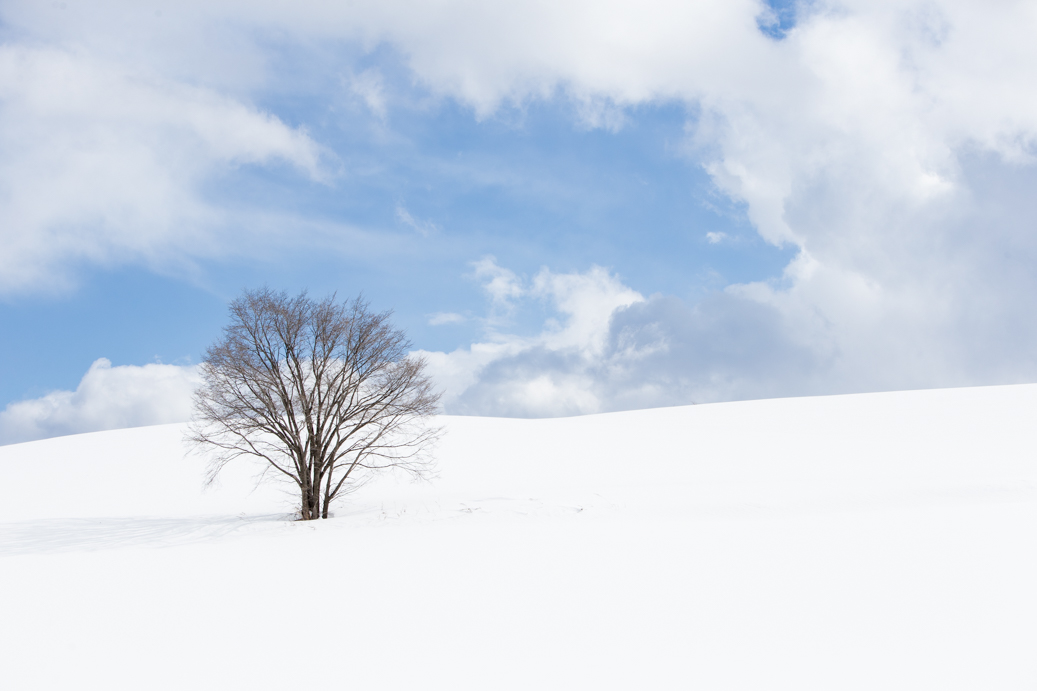
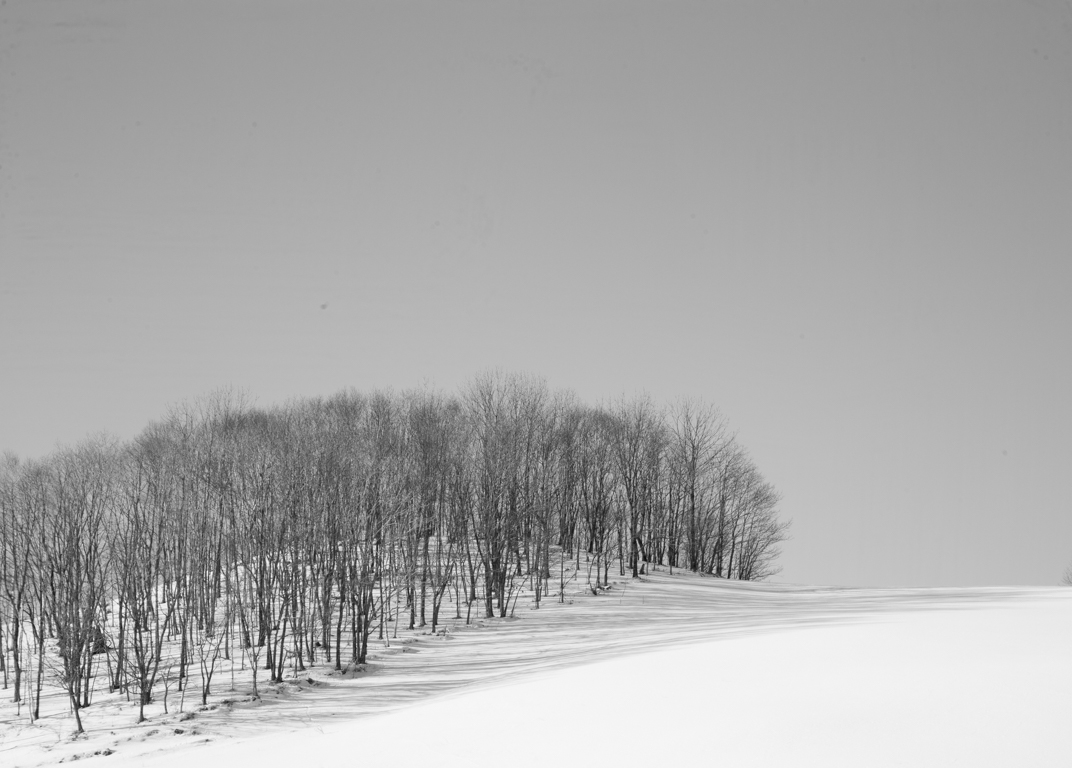
#1 black and white                                           and color.

#2 black and white                                           or color

#3 black and white                                           or color

#5 black and white                                           or color

#6 black and white                                           or color

#7 black and white                                           or color

#8 black and white                                           or color.

#9 black and white                                            or color

That’s the end of the test.

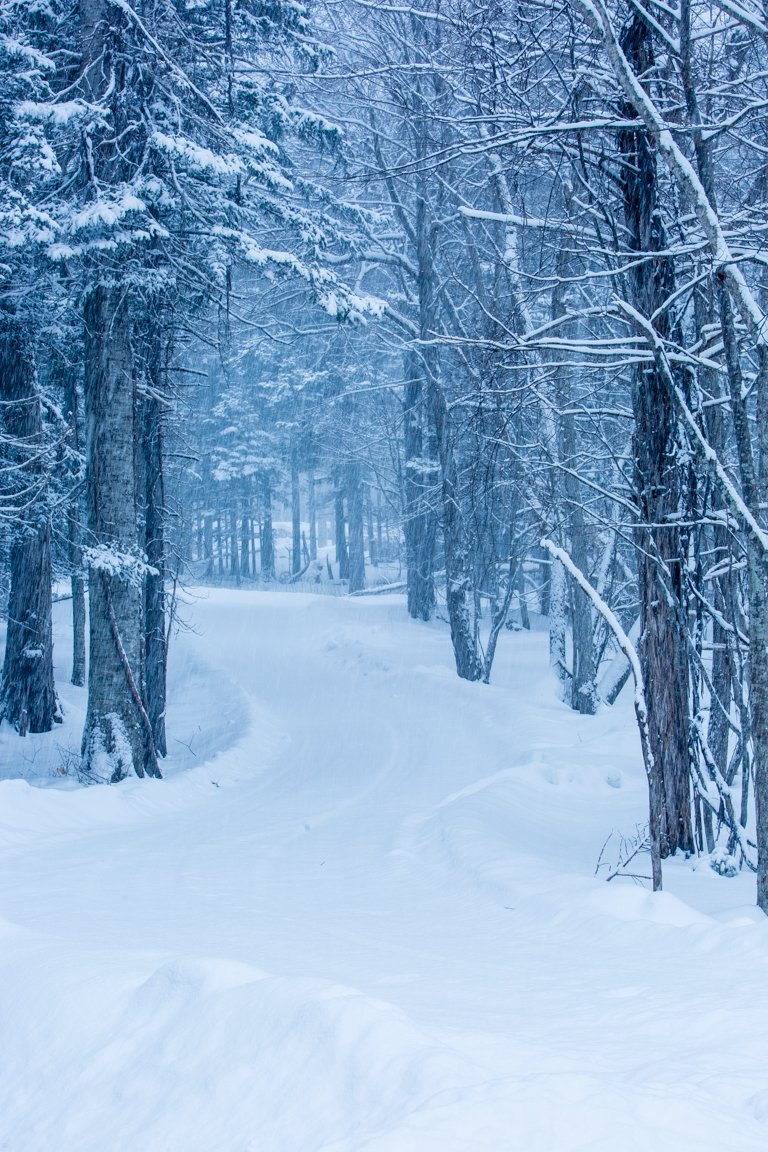
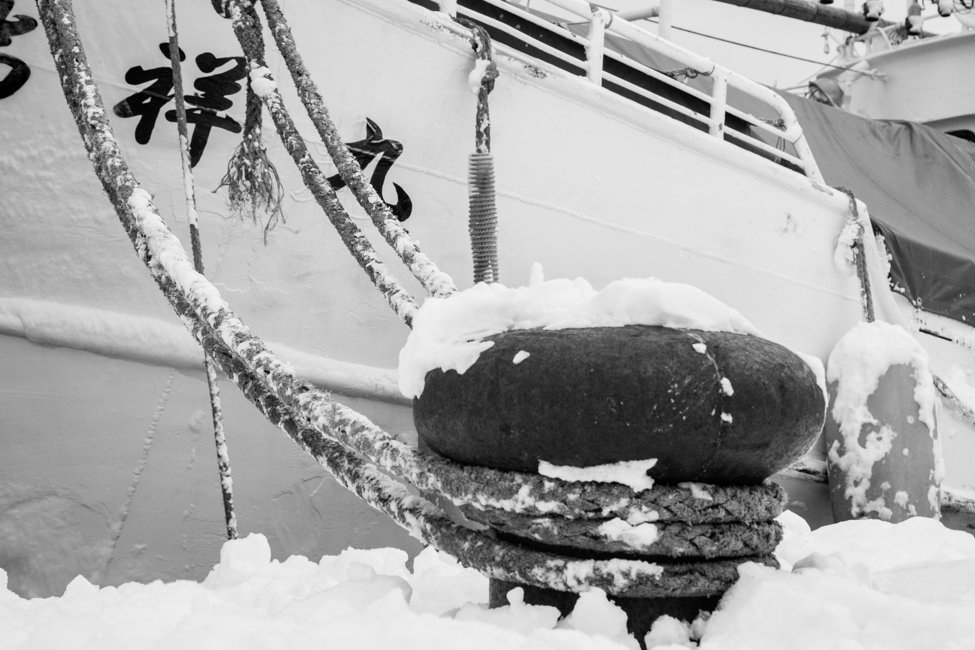
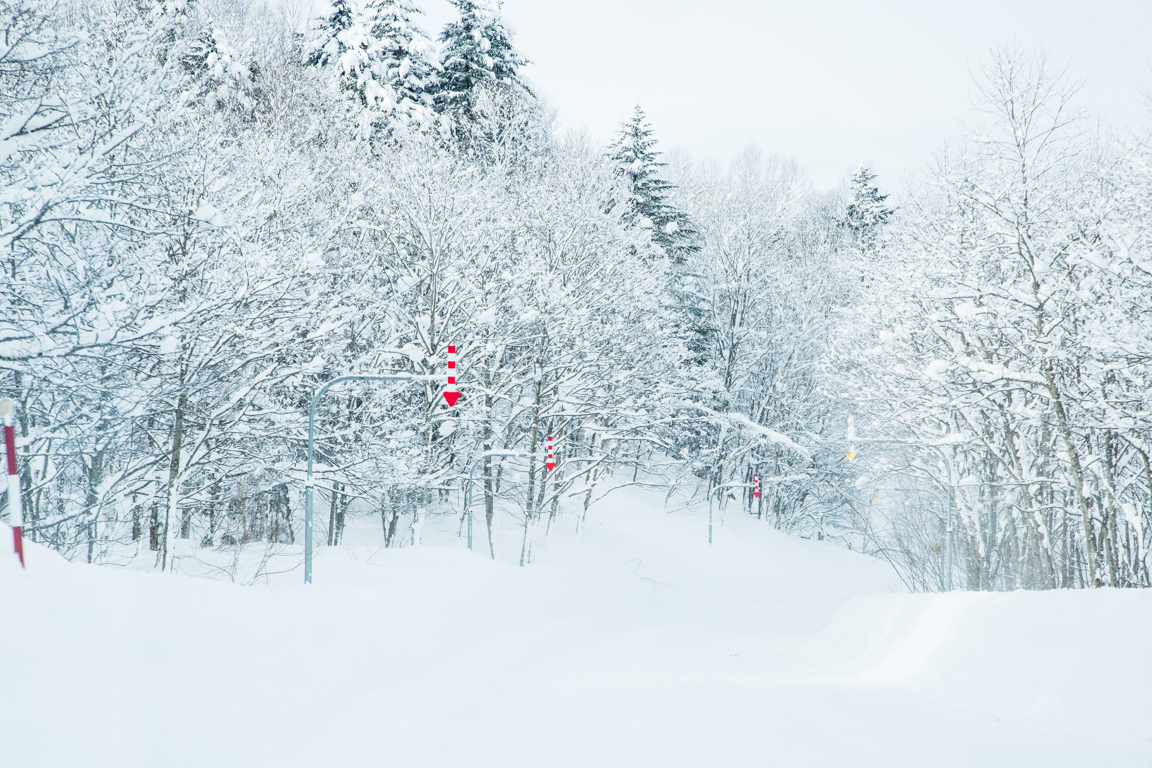
Lastly, here are a couple of other images I made.  One is done in black and white of the ship tied to the bollard and the second is in color of a scene shot from the car of the snow covered trees.  The color is needed here to draw attention to the down pointing arrows.  Those arrows mark the edge of the road for snowplows and vehicles where a painted stripe on the pavement wouldn’t show or a roadside stick might get knocked over by the plows.

Thanks, in advance, for your participation.  In my next blog, we’ll move on to our last stop in Wakkanai.  The northern most city in Japan.


Posted in Japan | 6 Comments

Stellar Sea Eagles and White Tail Eagles

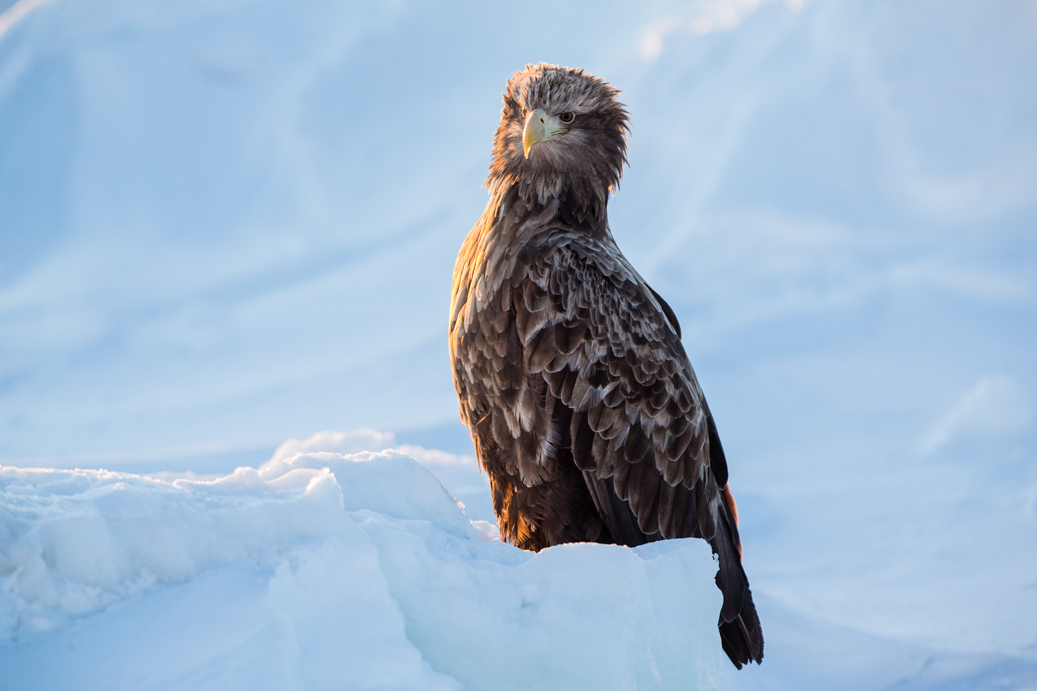
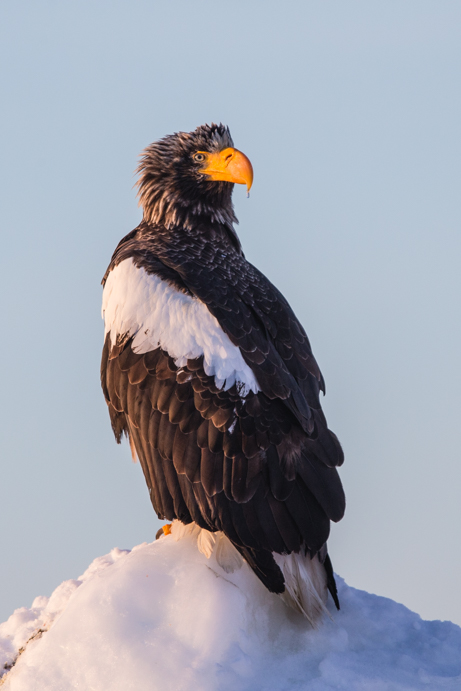
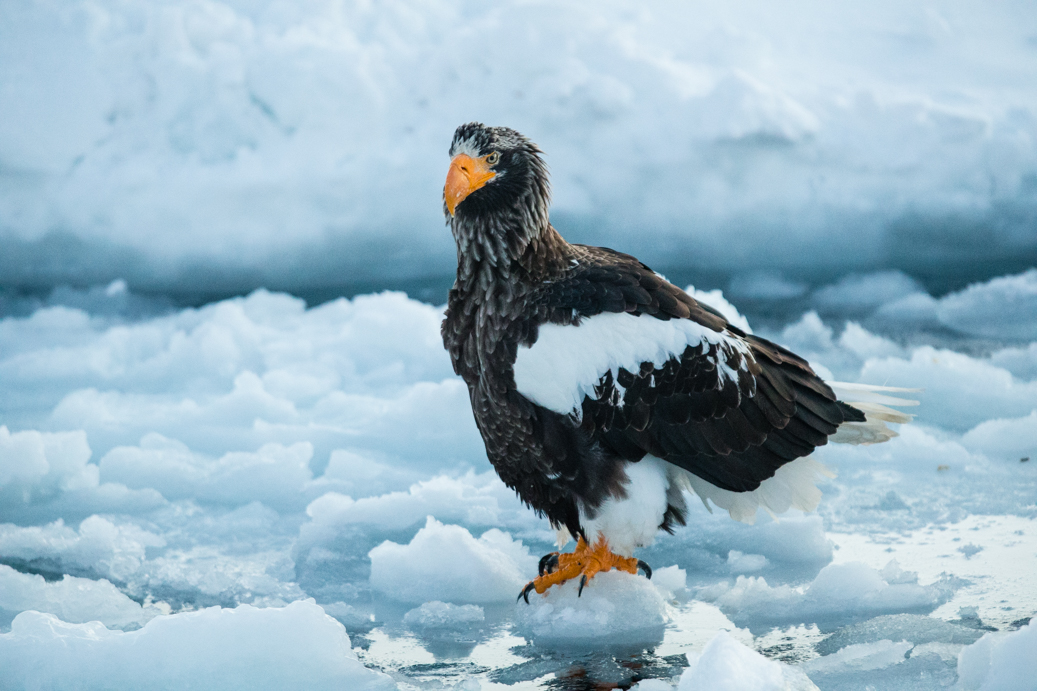
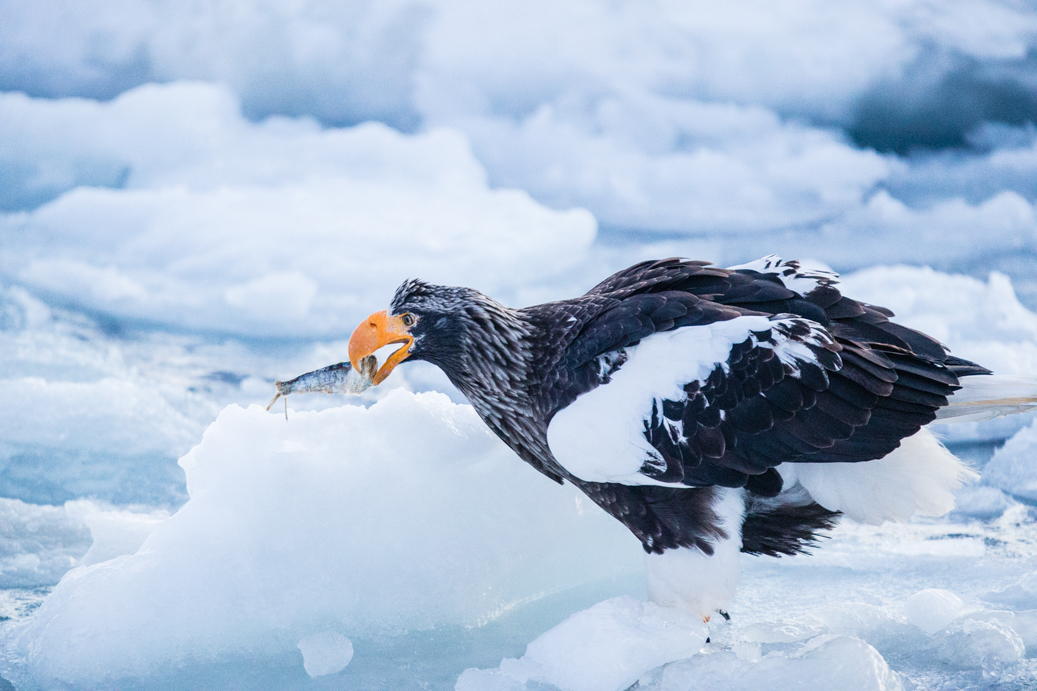
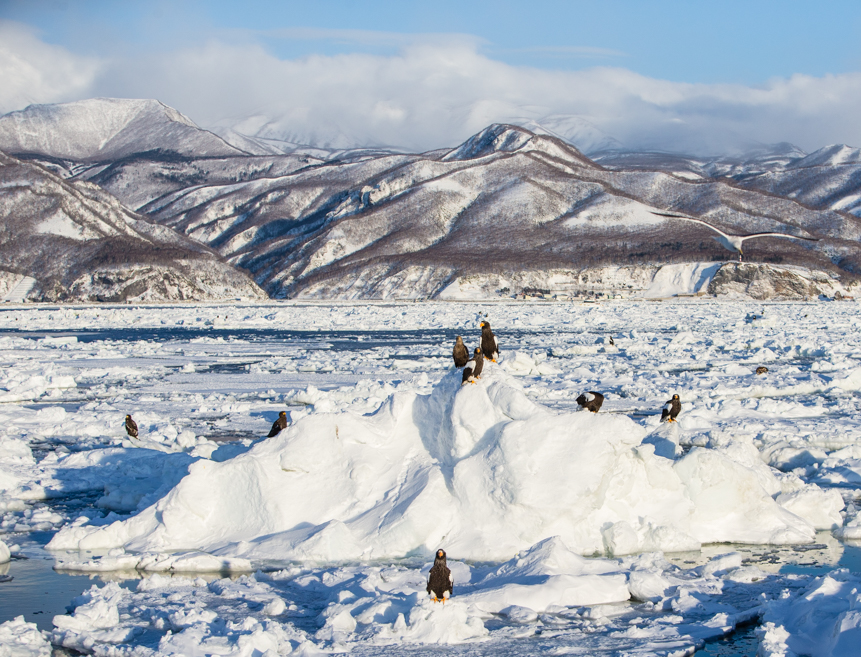
After spending a couple of days around Lake Kussharo, we worked our way east to Rausu, a port city on the Notsuke Peninsula.  We had scheduled two early morning boat trips (5am departure) to photograph Stellar sea eagles and White-tailed eagles.  It was still dark when we boarded our boat.  The trip the day before had been cancelled because there was no sea ice and no sea eagles according to some other photographers from Norway that were staying at our hotel.

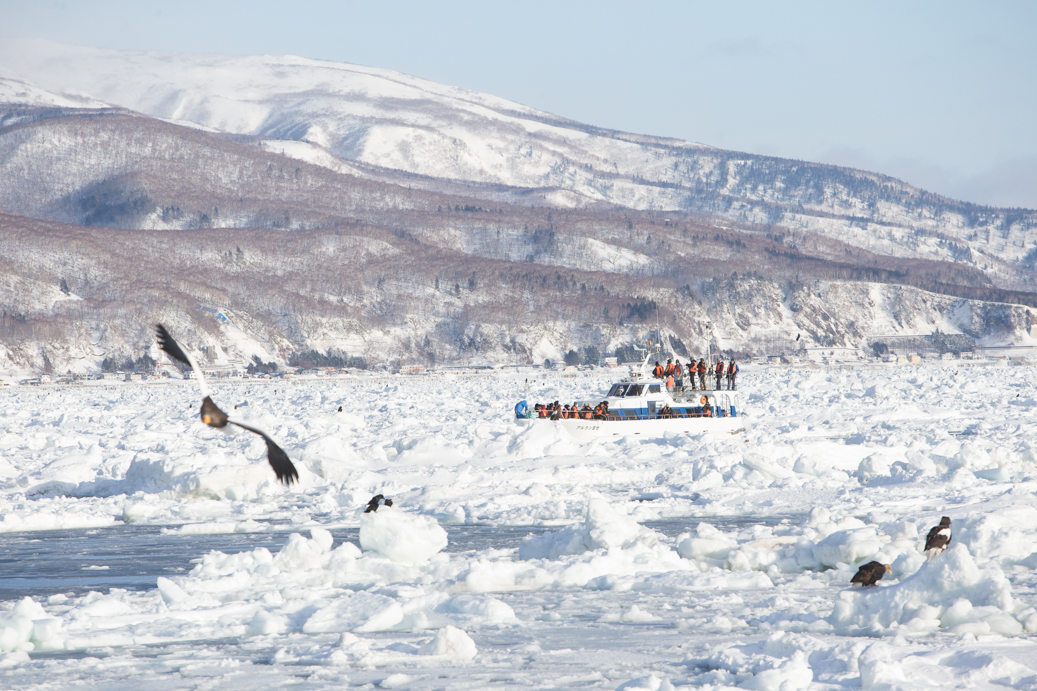
As we headed out, it was clear we’d have plenty of sea ice on this day.  We were on a small boat similar to the one in this image.

There was probably 20-25 photographers aboard on two decks.  I spent a little time on both decks.  It was easier getting flying birds on the top deck but on the lower deck you were more at eye level for those sitting on ice or feeding.

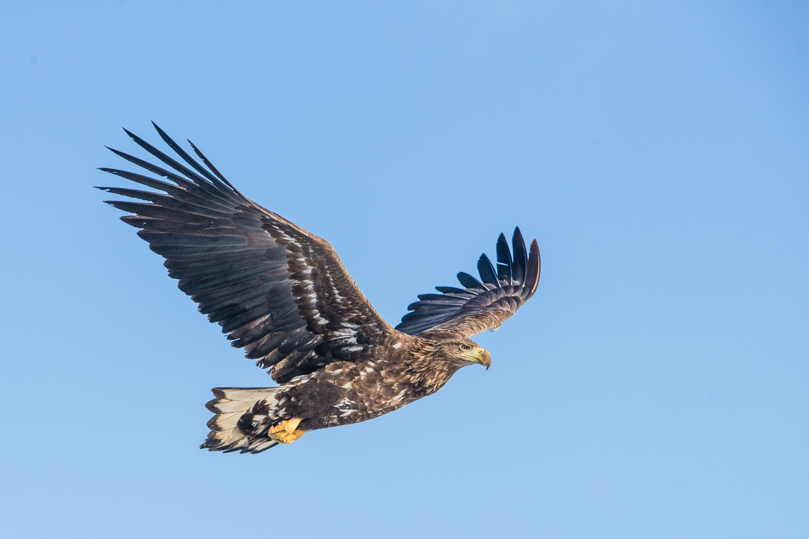
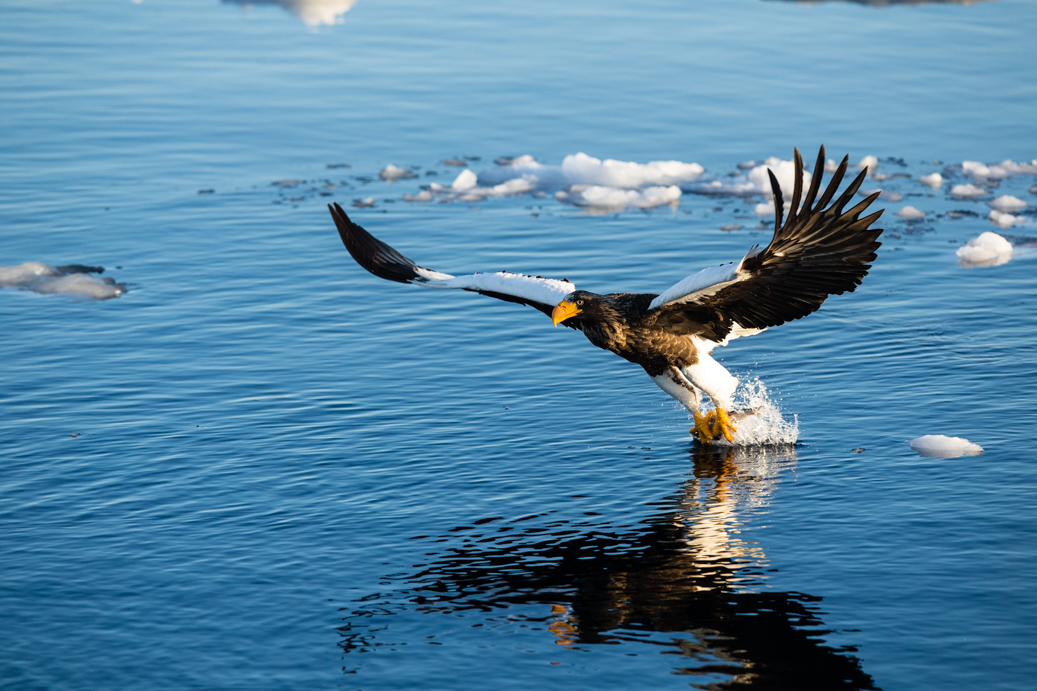
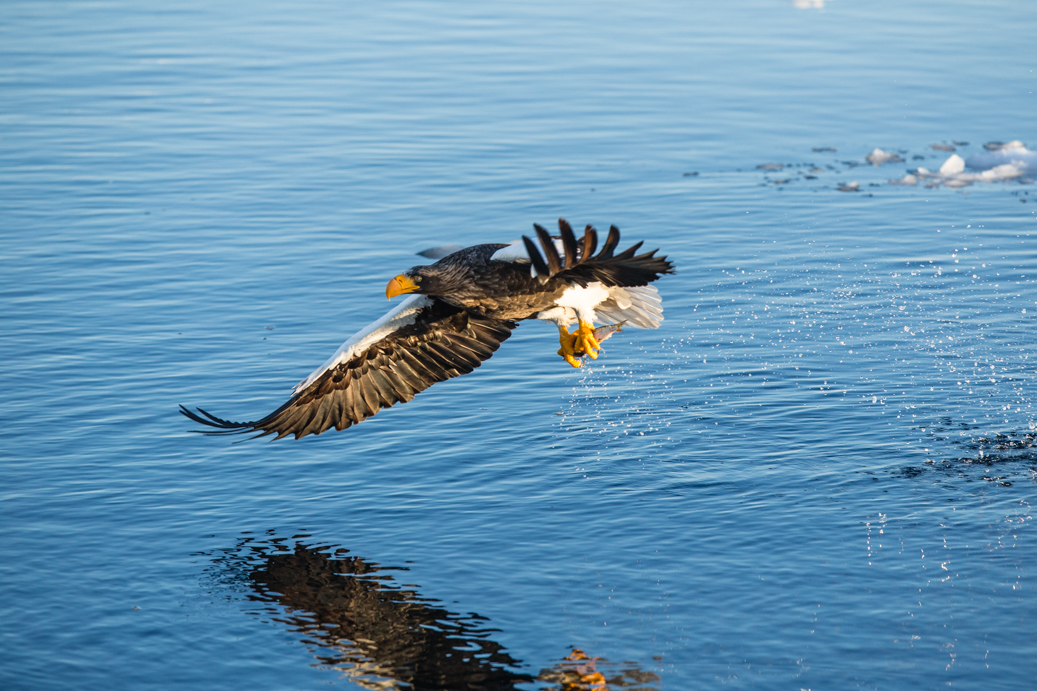
White tailed eagle                                              Stellar sea eagle

Here are some images of the two different eagles taking off, landing and grabbing the flatfish that are thrown from the boat to both feed the eagles and attract them.  To really see these regal birds it’s best to click on the images to take them to full screen.

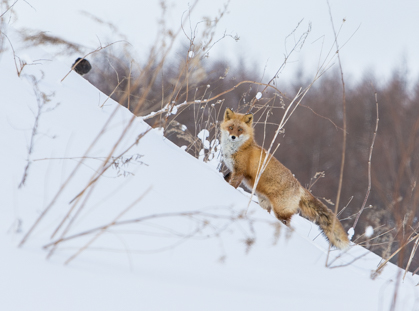
After getting back to the dock about 8am, we decided we had seen and photographed what we wanted and would cancel our second morning trip.  Instead, we would drive the long way around to the north coast of the peninsula to Utoro.  So, we went back to our hotel for breakfast.  Later, we went exploring. along the south coast until we hit the road closed barrier.  Specifically, we were looking for Arctic red fox and we had one run across the road ahead of us and then double back to a snow bank on our left.  He stopped on the side and checked us out.

In my next blog, we’ll look at some landscape images we made as we moved north and west to Asahikawa.  It would be a full days drive.

Thanks for following the blog.


Posted in Japan | Leave a comment

Red-crowned cranes and the hoar frost!

On day 5, we headed to the Haneda Airport for our flight to Kushiro in Hokkaido.  Japan is made up of five islands and Hokkaido is the largest and most northern one. The northern tip of Hokkaido is six miles across a channel from Russia.  We picked up our rental car, a four-wheel-drive SUV, at the airport.  All vehicles are right hand drive on the left side of the road.  Most vehicles are quite small.  There are very few full size automobiles in Japan.  The larger vehicles are SUV’s.

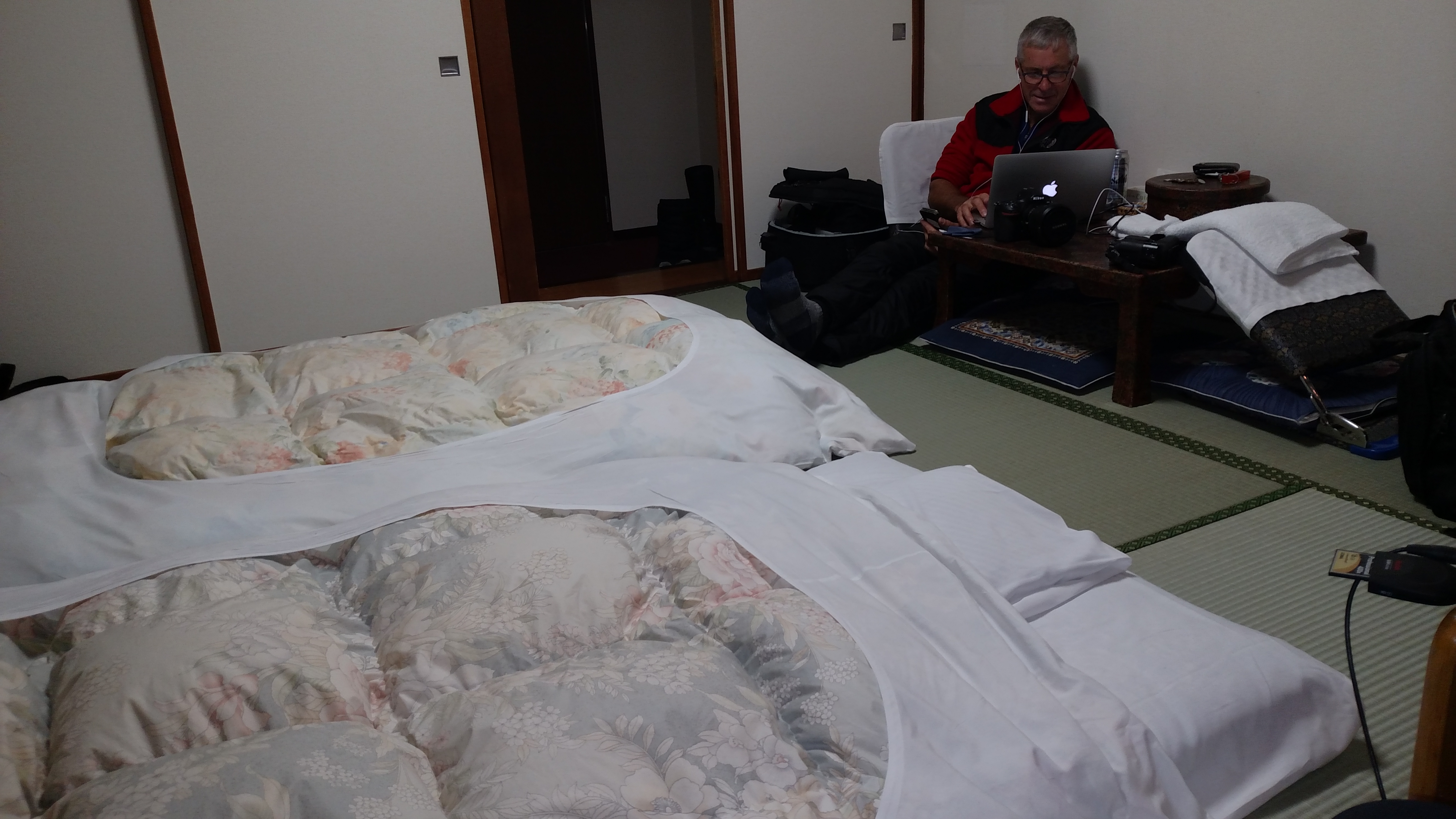
Our hotel was a large one but somewhat outdated.  It was also a Japanese style room with futon pads.  All of the hotels we stayed in had very small rooms.  Often there was barely enough room to put our suitcases and camera cases on the floor and frequently, there were no chairs.  A couple of the more modern hotels had desk areas and western style chairs.

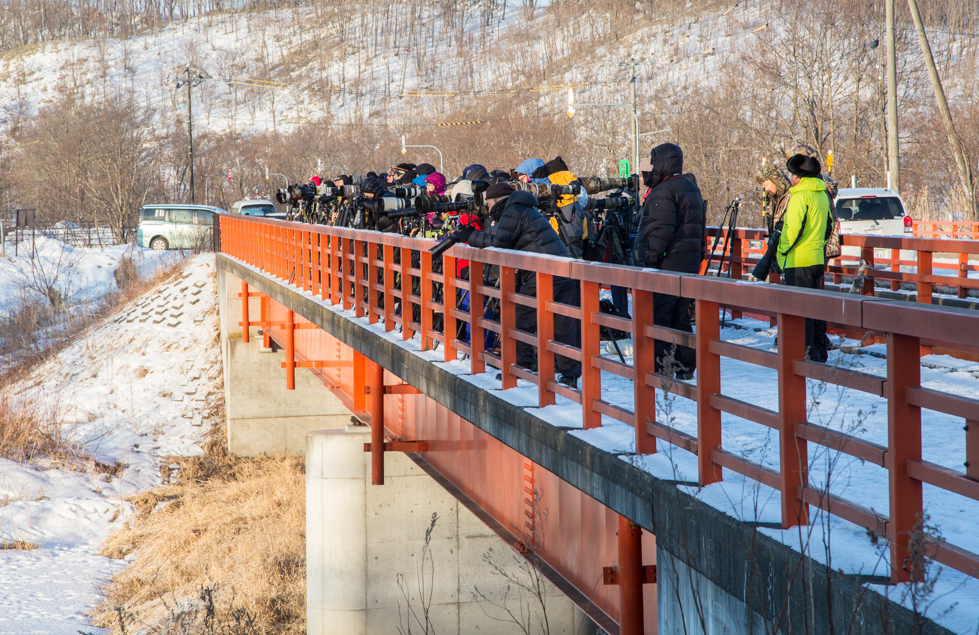
We were up at 4am the next morning to drive to Tsurui to photograph red-crowned cranes on the Otowa Bridge.  We got to the location by 6am (sunrise was a half hour away) and there were already a crowd of photographers lined up on the bridge.  It was cold….-11 C or 12 Fahrenheit.

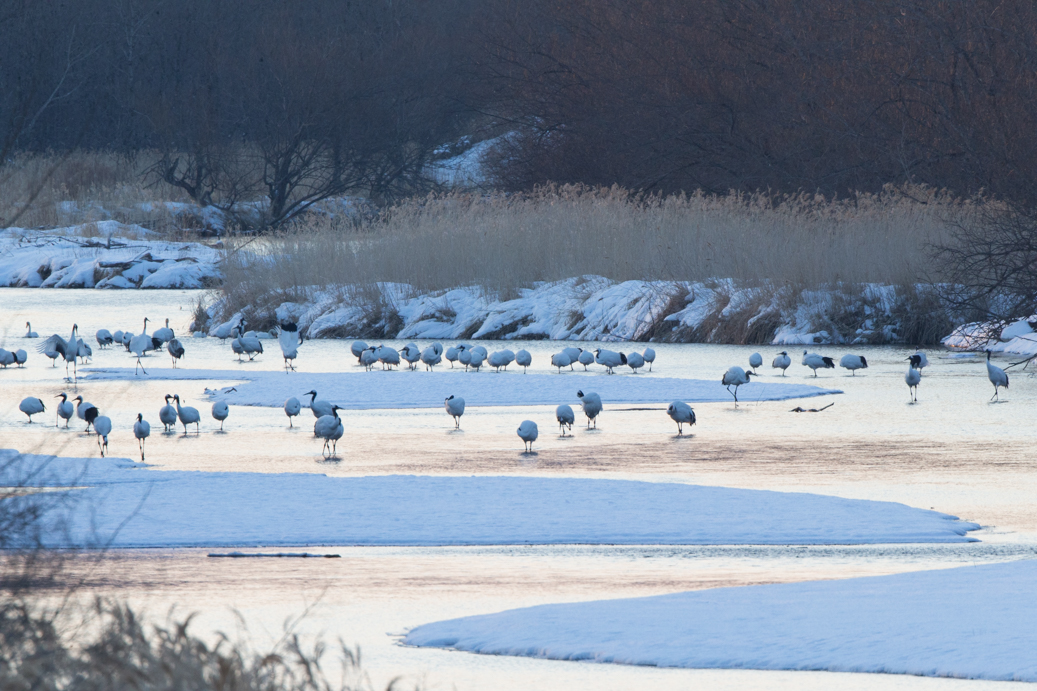
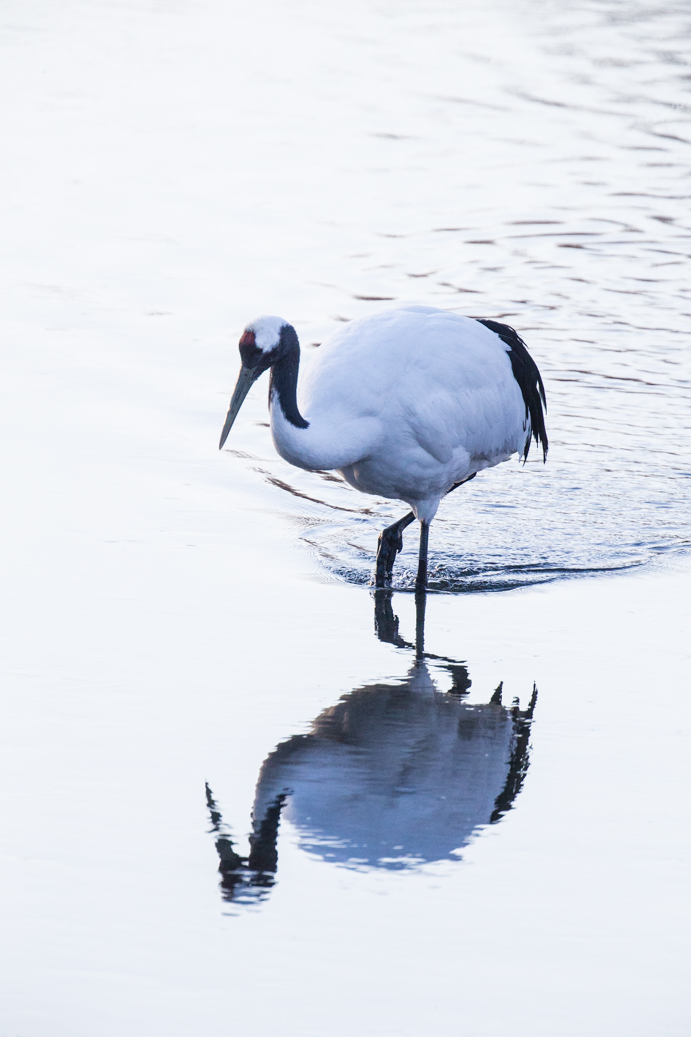
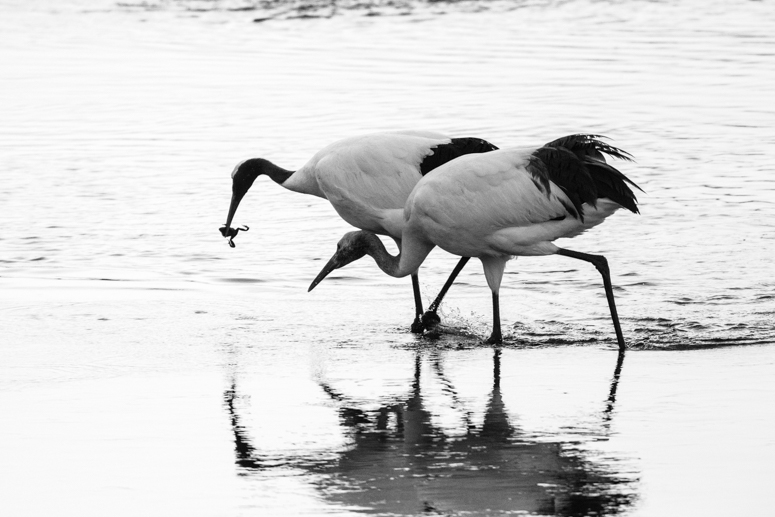
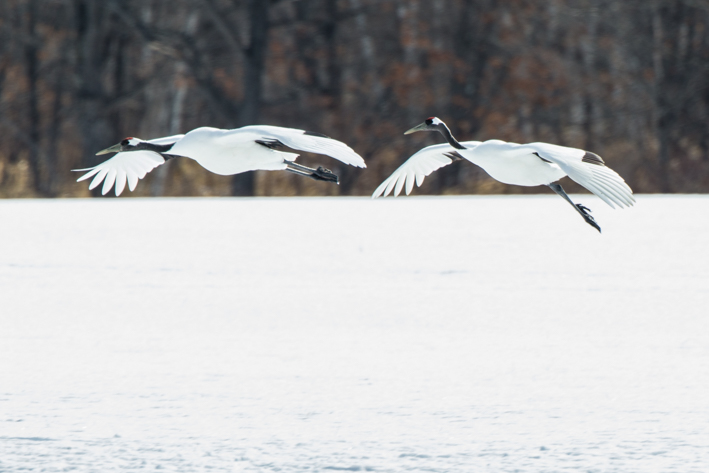
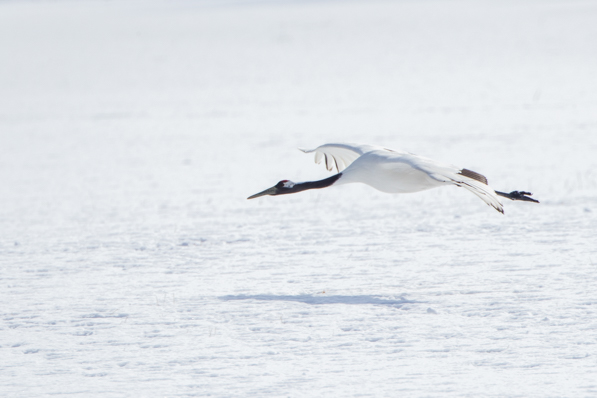
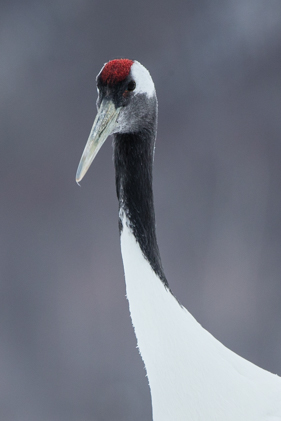
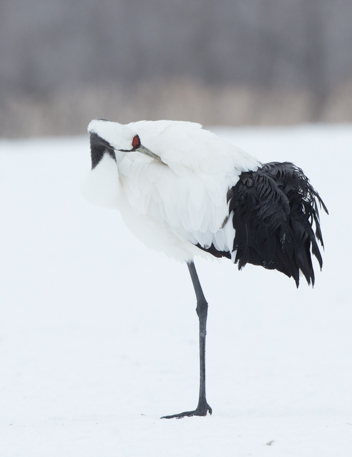
The cranes are a long way off on the river.  A few like the one pictured above were wading much nearer the bridge the first day.  Even though it was cold, it wasn’t cold enough to  create the hoar frost that freezes onto the trees.


We shot for about an hour and half and left as the birds were beginning to move to the nearby field and the nearby Tranto Ito Crane Center to feed on left over grain.

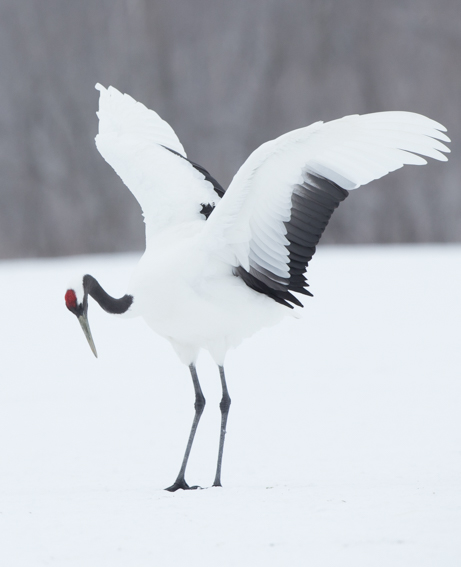
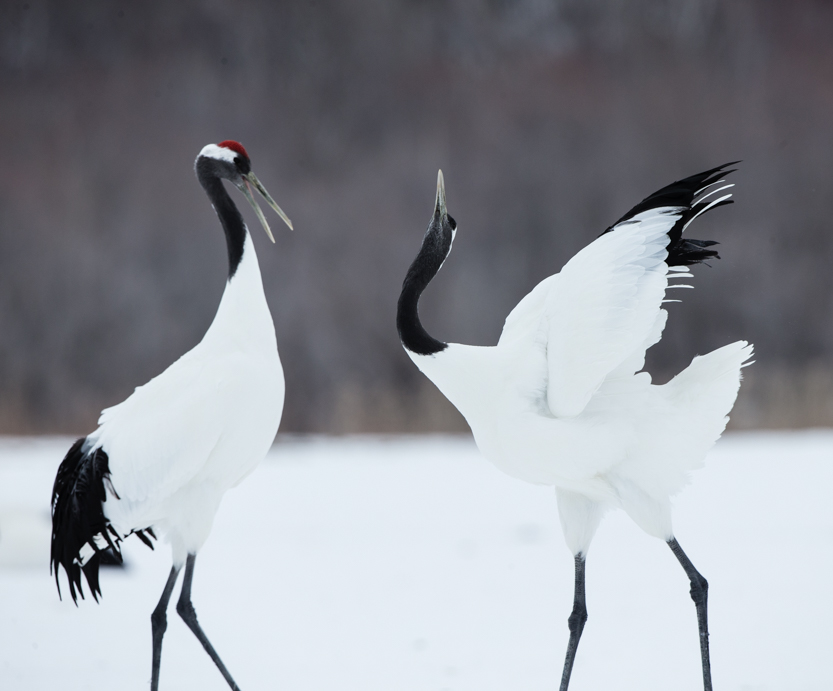
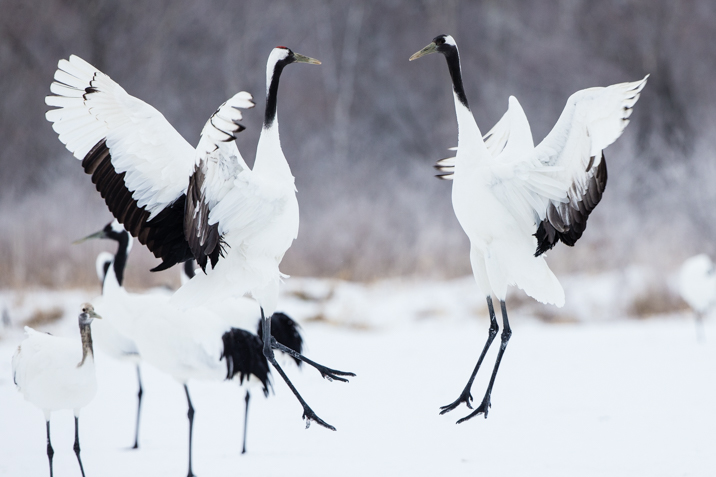
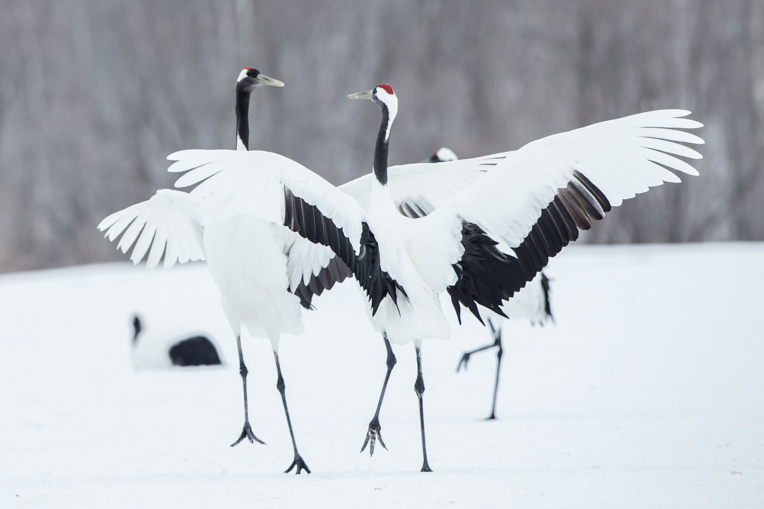
The cranes jump up and down looking for attention from their mates and other cranes.

After spending a couple of hours photographing the red-crowned cranes, we drove around the countryside looking for interesting landscapes to photograph.

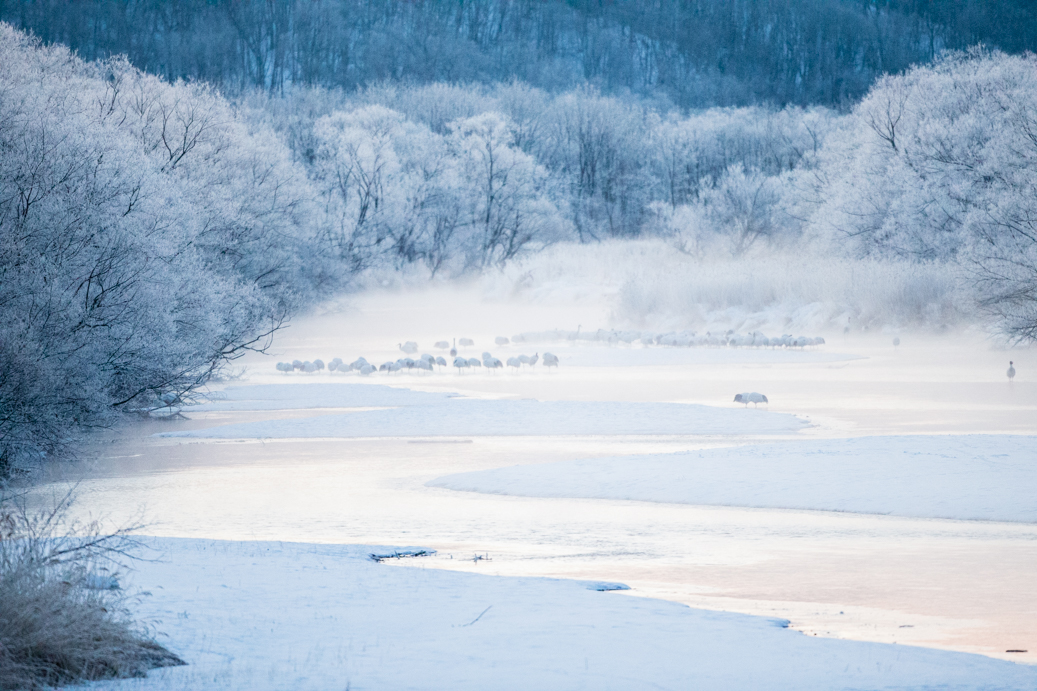
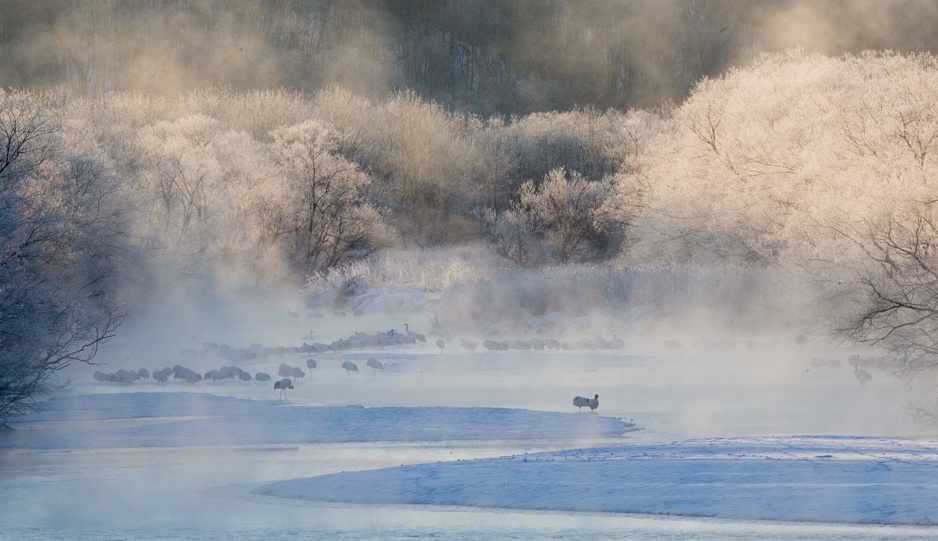
Day two at the Otowa bridge was much better.  We got there about 5:40 in the morning but, again, there were already a lot of photographers lined up on the bridge.  I worked my way to the center of the bridge and shot over the shoulders of two others who were on the rail.  It was also much colder….-19 C or -3 Fahrenheit.  Due to the extreme cold, the mist rising from the river was creating the hoar frost that we were looking for.

It was really beautiful.  The cranes are about 200 yards or more from the bridge and this morning there aren’t any walking around nearby.  As the sun came up the trees took on a golden light.  You can see the mist that for the hoar frost rising from the river .

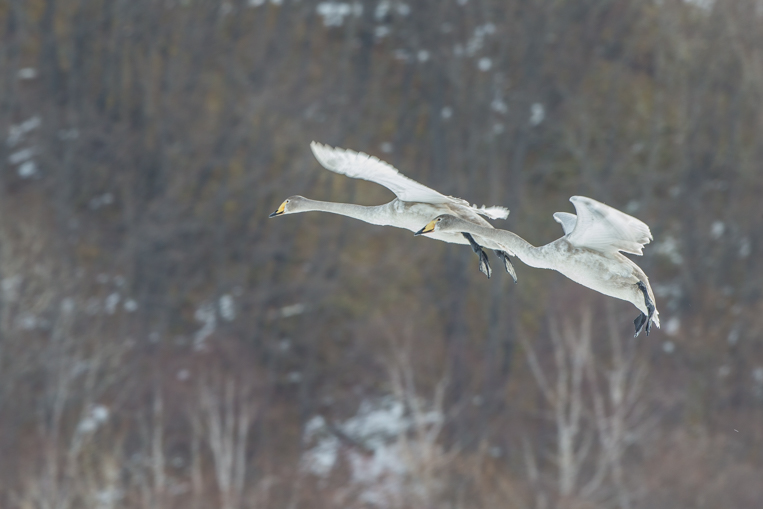
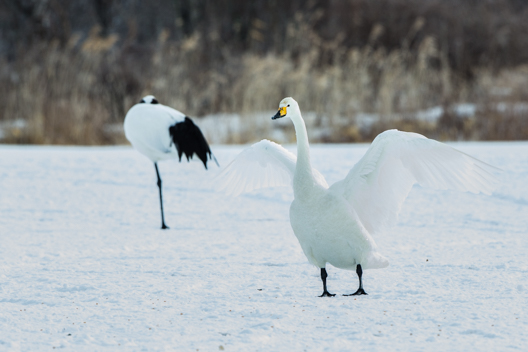
We also shot some of these red-crown cranes and whooper swans at the Akan International Crane Center.

I thought mine was pretty big

until I saw hers!
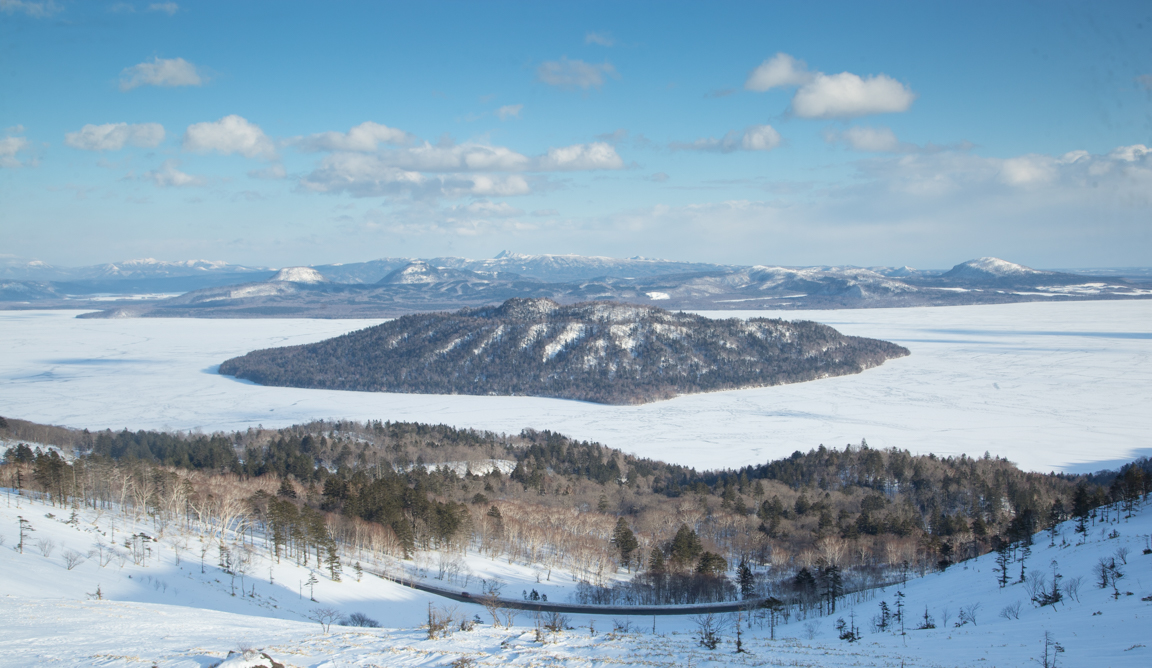
We had checked out of our Kushiro hotel as we left that morning so now we headed north to the Lake Kussaro area for two nights.  Lake Kussaro is a little more centrally located in Hokkaido.  After checking in at our hotel, we drove north to Bihoro Pass to photograph Lake Kucharro from above.

Again, we spent a lot of time roaming through the area, checking out various locations and roads, looking for interesting landscapes.

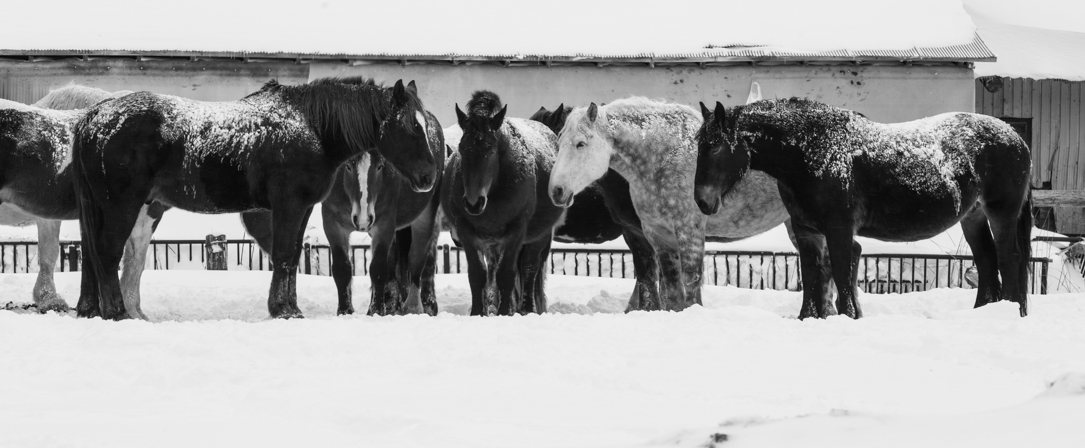
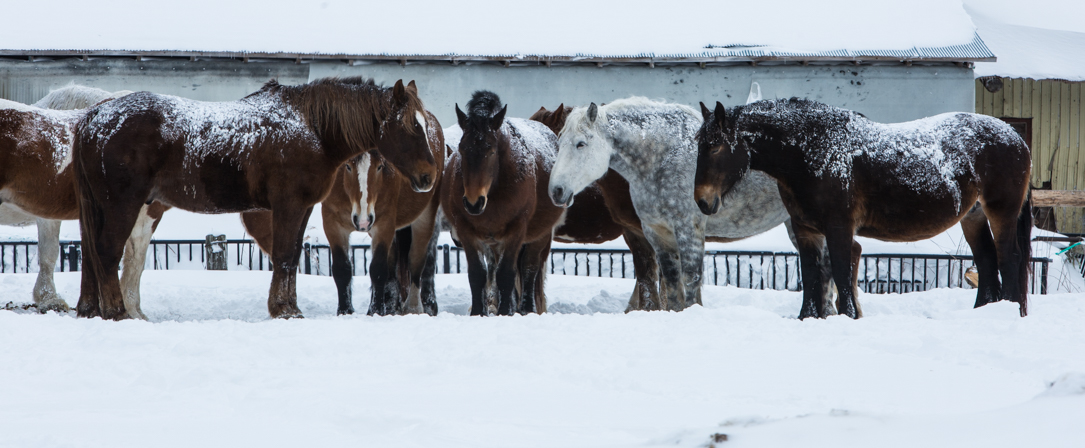
There was lots of snow in Hokkaido and it snowed frequently.  We had a major snowstorm one day and that brought out the big guys!

It also closed a few roads.

Tomorrow we had west toward Biei for a couple of days looking for great landscapes.


Posted in Japan | Leave a comment

Snow Monkeys, Red-crowned Cranes and Stellar Sea Eagles

Today I’ll begin a new blog post on my three week trip to Japan this month.  I went to photograph wildlife and landscapes.  Tokyo was just a stopover enroute to my real destinations.

I arrived in Tokyo late Friday afternoon Feb. 9.  I had departed Kansas City at 6am on Thursday morning with a change of planes in Atlanta.  From there I flew directly to Tokyo’s Narita airport.  Our track took us over Kentucky, Illinois, Minnesota, Canada, through Alaska and then turned south and ran parallel th the Russian coast before arriving in Tokyo from the north.  This arched route is actually shorter than what would appear to be a straight line from Atlanta west to Japan.

There are two airports in Tokyo, Haneda and Narita.  I arrived in Narita which was quite a distance from my hotel.  An Uber trip was $250 to the hotel and another private service was $200.  I figured there was a train that would make the trip for less.   As it turned out it was approximately $13.00 and went directly to a subway station right beneath my hotel.

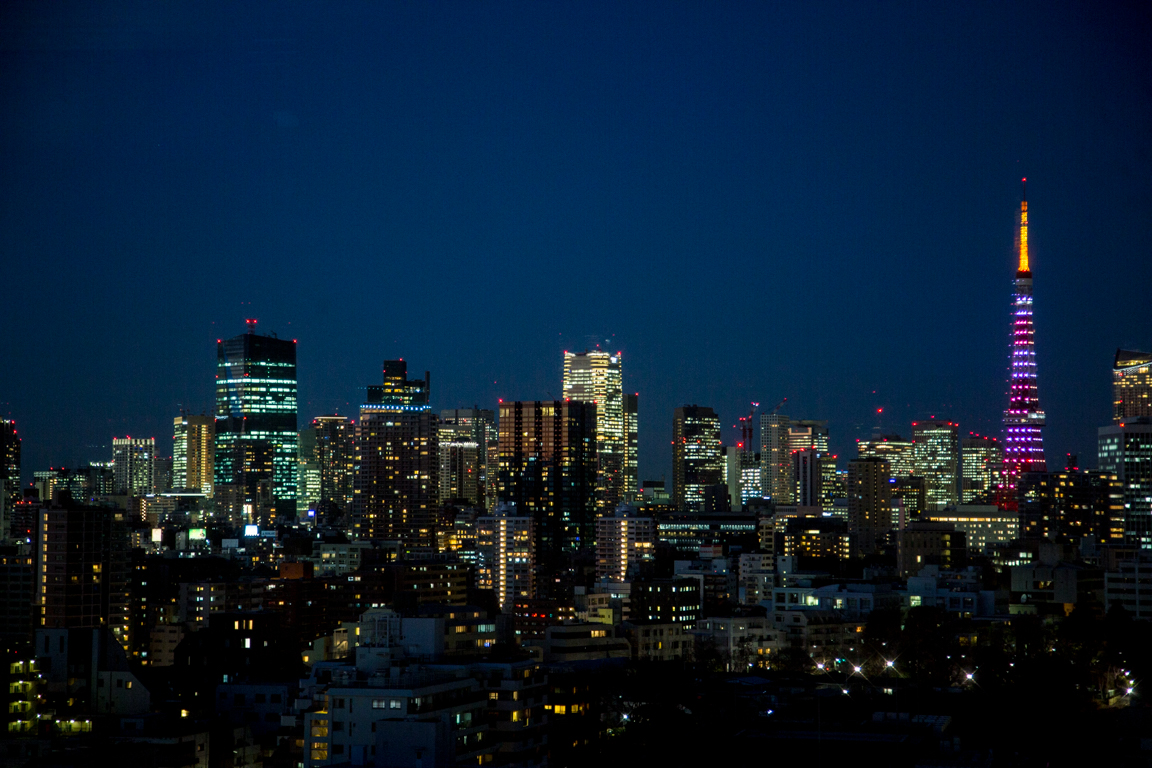
View from my hotel with Tokyo Tower on the right.

Sunrise out our hotel room window.  Two bullet trains in foreground.

David, my traveling partner from New Zealand, arrived early Saturday morning.  David had been one of my roommates on my trip to South Georgia Island a year ago.  He’s 15 years younger than me (I know you can’t tell that by looking at this photo) and is also an avid photographer.   I had contacted him more than a year ago about joining me for this trip.

One of my initial concerns about this trip was the language issue.  Not a lot of people speak English and the graphic nature of the alphabet makes it impossible for westerners to read.  Despite this handicap, everyone we encountered was extremely helpful and friendly.

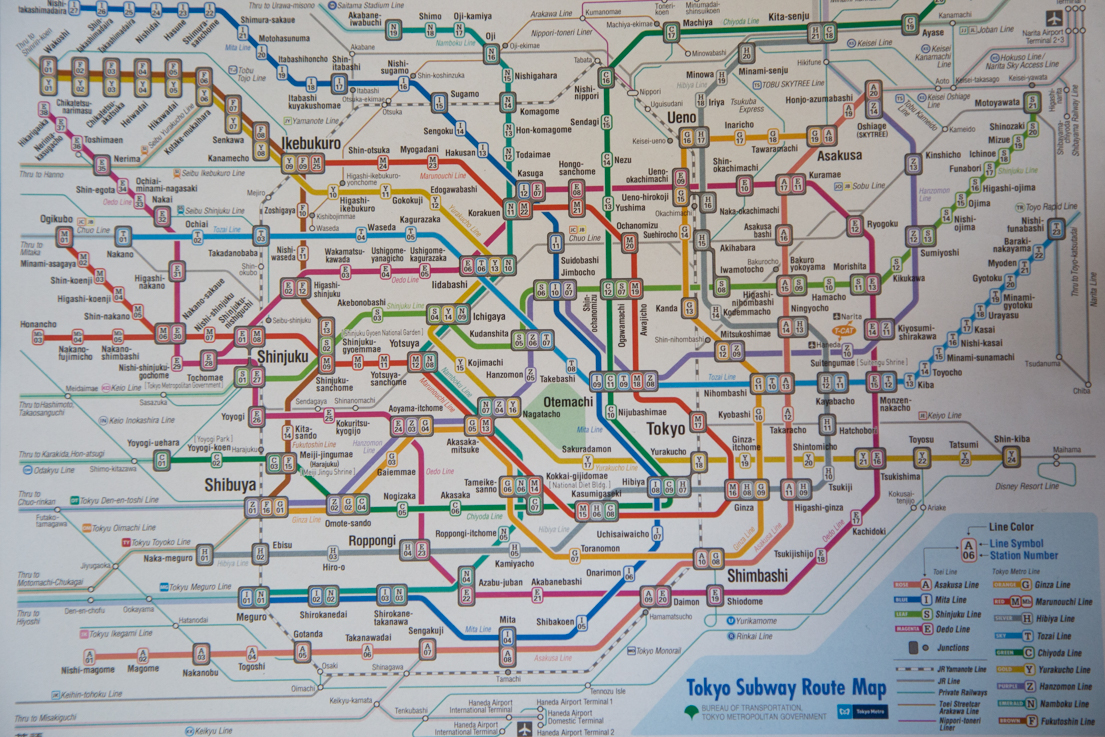
Subway map in English.

People often came up to us in the subway as we stared at the maps on the wall and ask if we needed help.  A couple of guys even helped me carry my heavy bag up or down stairs in the subway stations unsolicited.

Our first day in Japan was spent acclimating to the 9 hour time difference for me.  We went walking around a commercial section of Tokyo looking for a camera shop we had heard about.

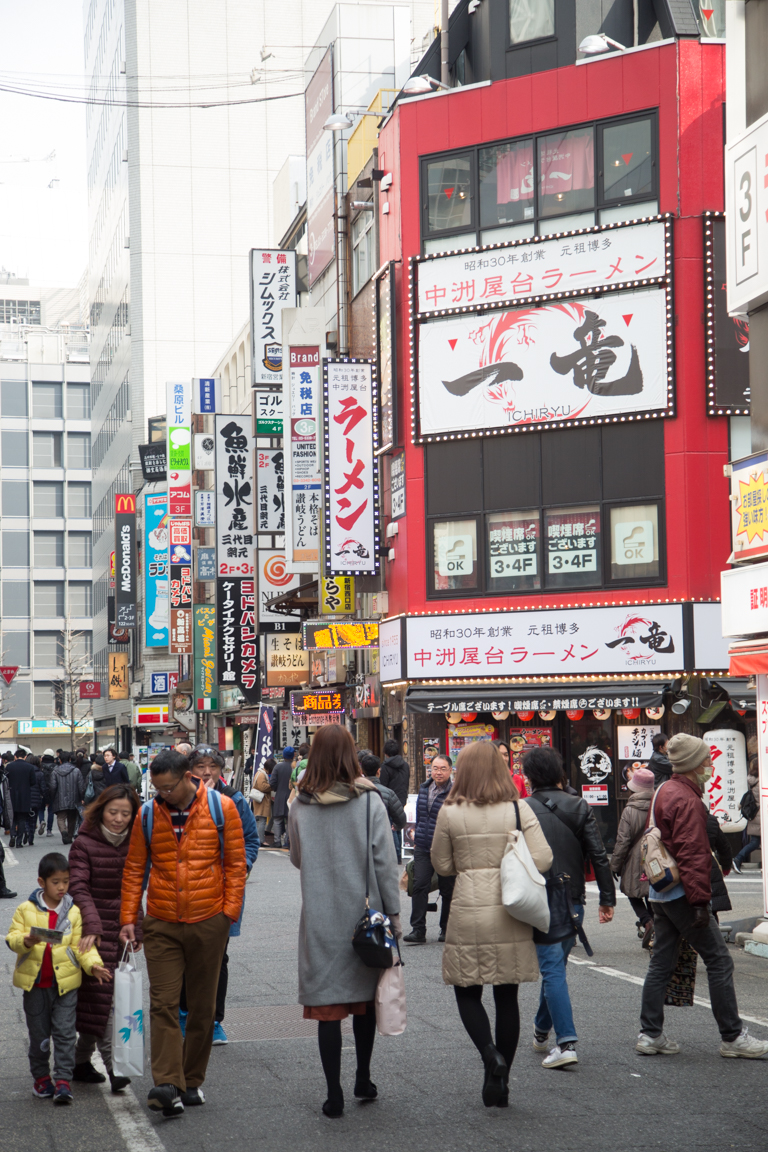
Since all the signs are in Japanese, it took us about an hour of walking first one way and then another before we were able to locate it even with an address and a simple map.

Our hotel had a dining room so there was a breakfast and lunch buffet and dinner was available from a menu.

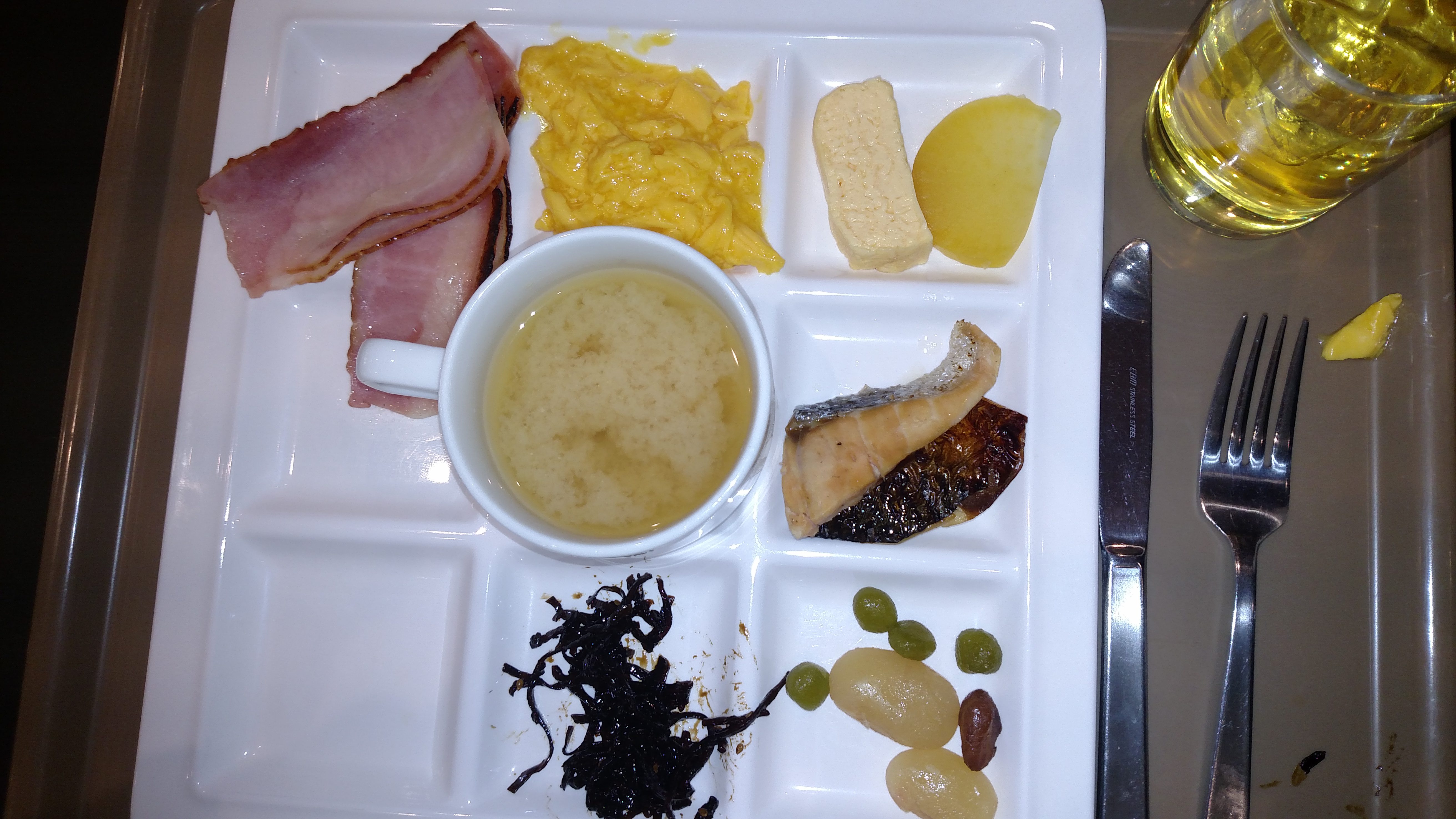
Breakfast one morning. Bacon, scrambled eggs, cold piece of egg, pieces of mackerel and salmon, mizo soup, sweet beans and seaweed.

If a hotel didn’t have a dining room, we were unable to find what we would refer to as a coffee shop.  We had more than a few “breakfasts” at local convenience stores.

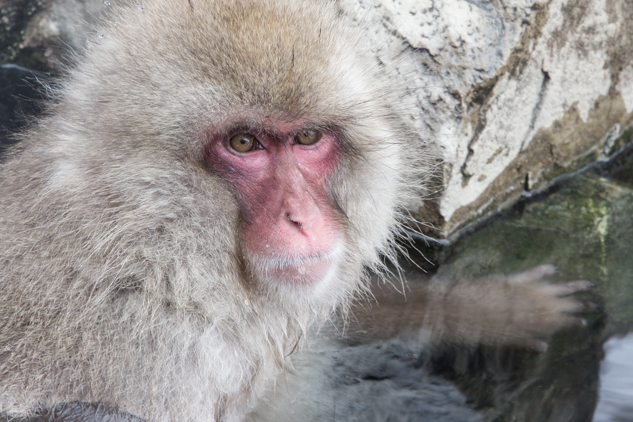
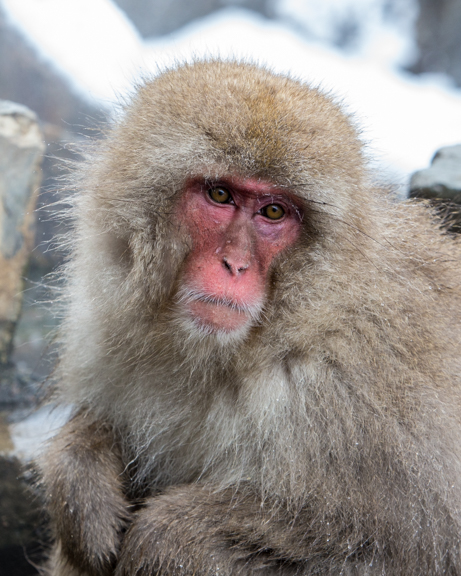
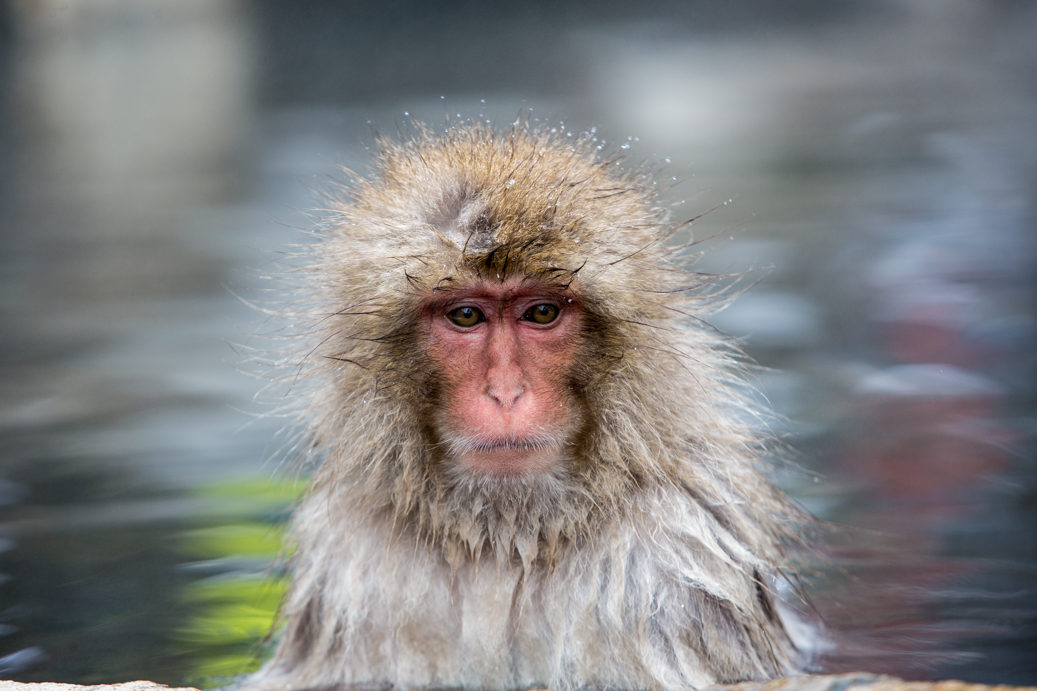
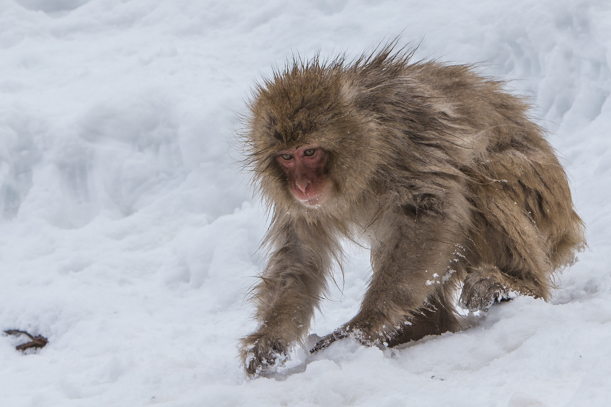
The next day we left early for our trip to see the Japanese macaques or snow monkeys at Jigokudani Monkey Park.  It was two local trains, one bullet train, another local train and finally a bus to reach our hotel in Tawanuchi.  We spent a good deal of time looking for the right trains.  There are multiple levels of subways going all which ways under Tokyo.  It took us longer than we anticipated.

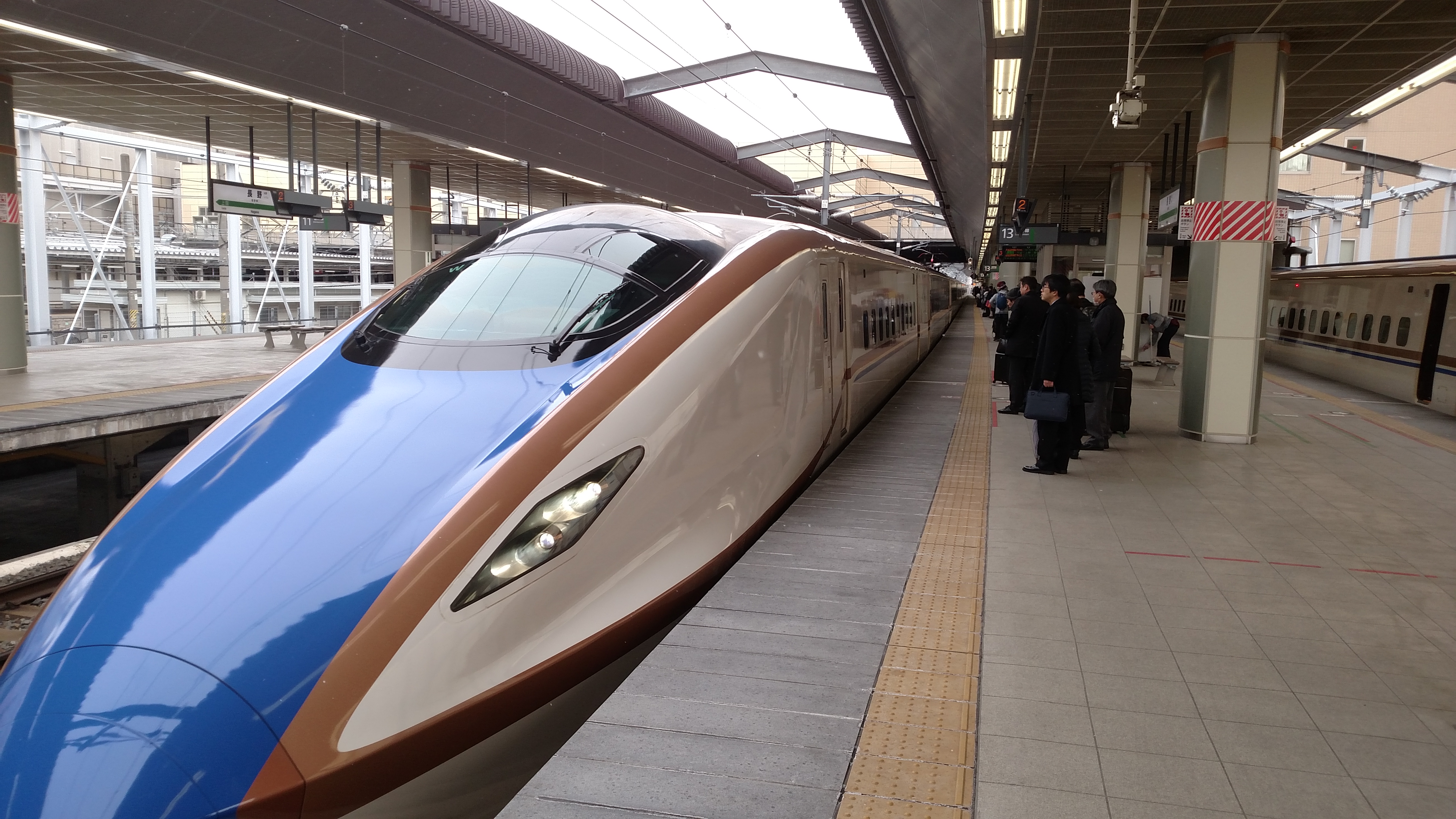
The high speed trains or bullet trains run up to about 165 mph.  They provide a fast, smooth ride. The cost from Tokyo’s main station to Nagano was 8200 yen or about $81.  The trip would have taken about four hours by bus but it was only ninety minutes on the bullet train.

When we arrived at our destination, we had no idea where the hostel was located.  We walked to a nearby apartment building and two gentlemen called the hostel and helped us make the connection.

Everyone was great.  The hostel was Japanese style which meant that we slept on a futon pad on the floor.  It was very comfortable.  They had a small dining room and provided a good menu to choose from.  As was the case in many restaurants, the Japanese menus often had pictures for you to use to make your meal choices.

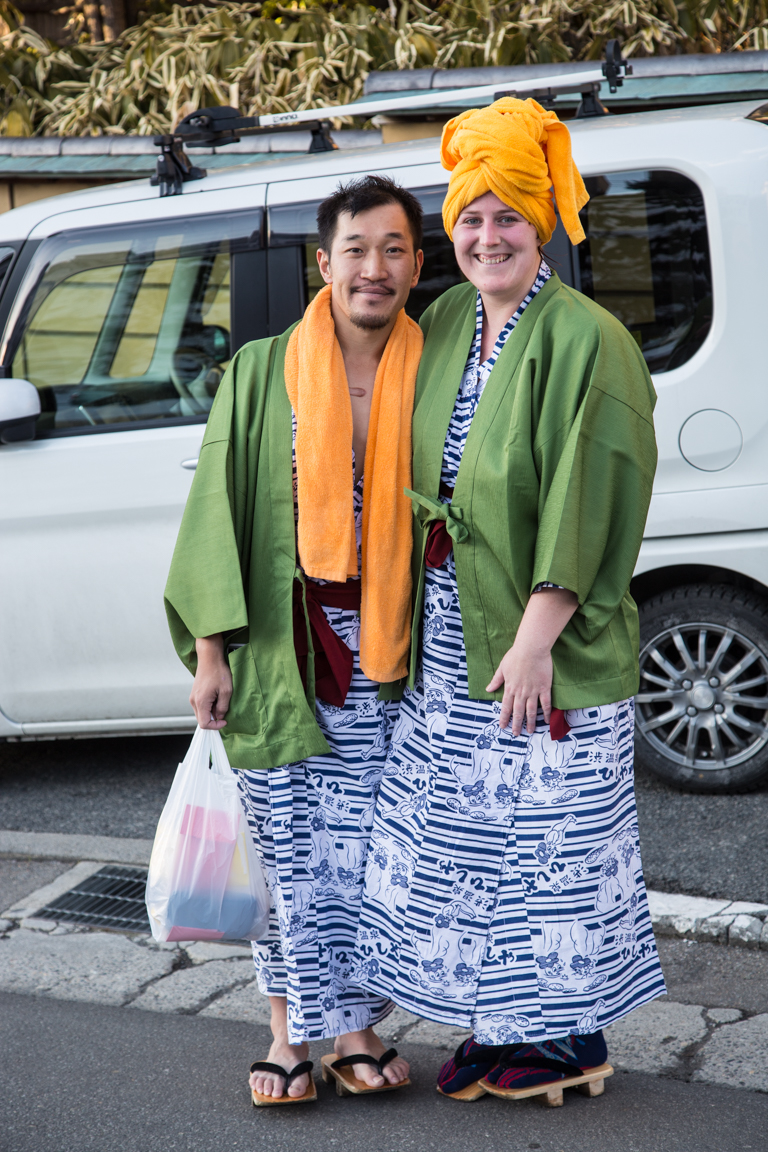
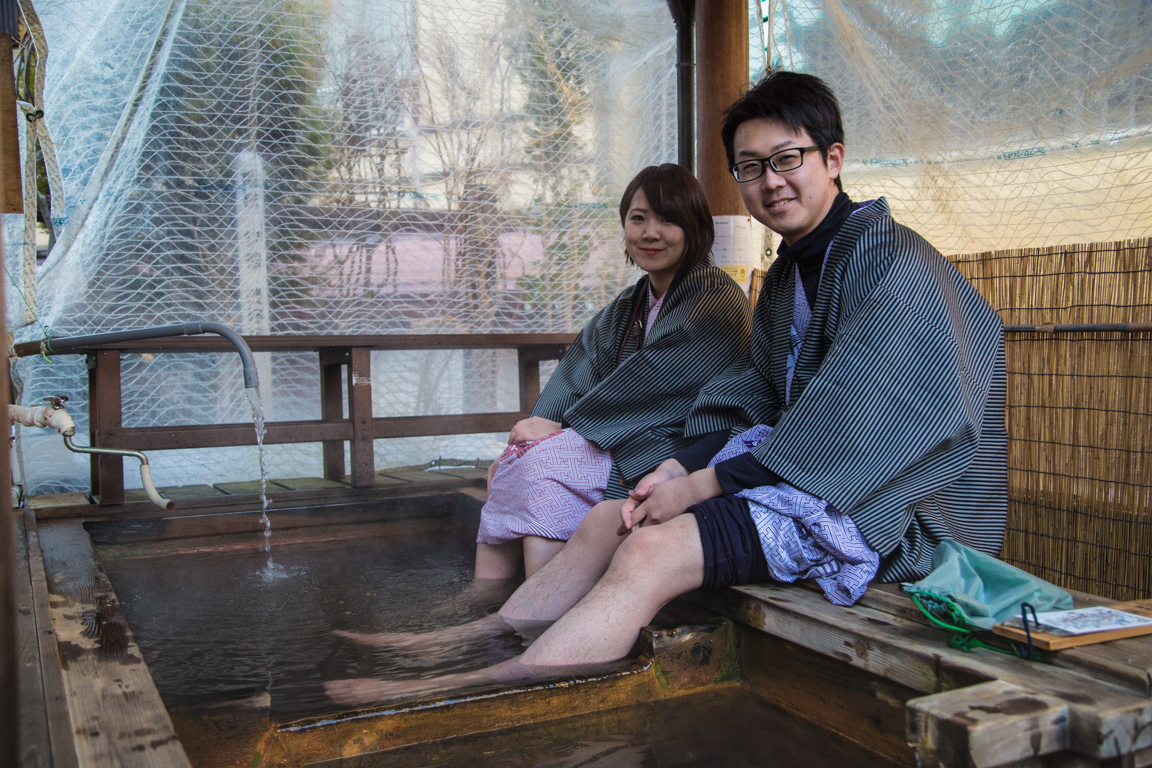
A couple coming back to hotel from public onsen (public nude baths–separate facilities for men and women).   Some hotels had their own onsens.  Others were separate facilities in the neighborhood. Each hotel had a “uniform or yagoda” for their guests.  There were also outdoors thermal pools like the one this couple are soaking their feet in.

The next morning, the hostel provided a ride to the beginning of the trail to the monkey park.  From there it was about a mile walk uphill to the park entrance.  By the time we got there, there were already a hundred or more photographers massed around the thermal pools photographing the monkeys.

You just had to wait your turn and work your way into a spot at the pools edge.  The monkeys hang out in the thermal pool and run around just about anywhere they please.  There’s also a stream down below the thermal pool that attracts them.  We had intended to spend the day but had exhausted our photography shortly after lunch and headed back to the base of the mountain to catch a local bus back to the hostel.

The meals at the hostel were very good.  The room was comfortable and the staff was very easy to work with.  After two nights we headed back to Tokyo for one night before heading north to Hokkaido.

In my next post, we see Red-crowned cranes.


Posted in Japan | 1 Comment

They’re NOT bigger in Texas!
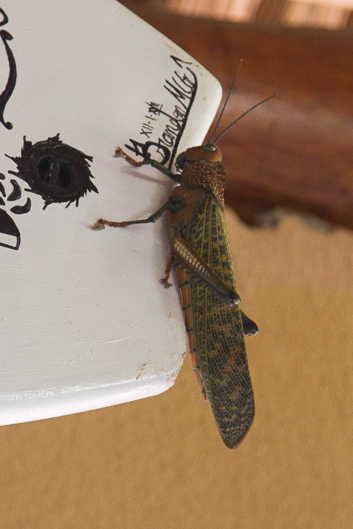
This is one of the grasshopper’s that hangs out near the dining room.

20170219-_mg_8384

It’s hard to tell from the picture but this one is 6-7″ (INCHES) long.  It’s a BIG one!
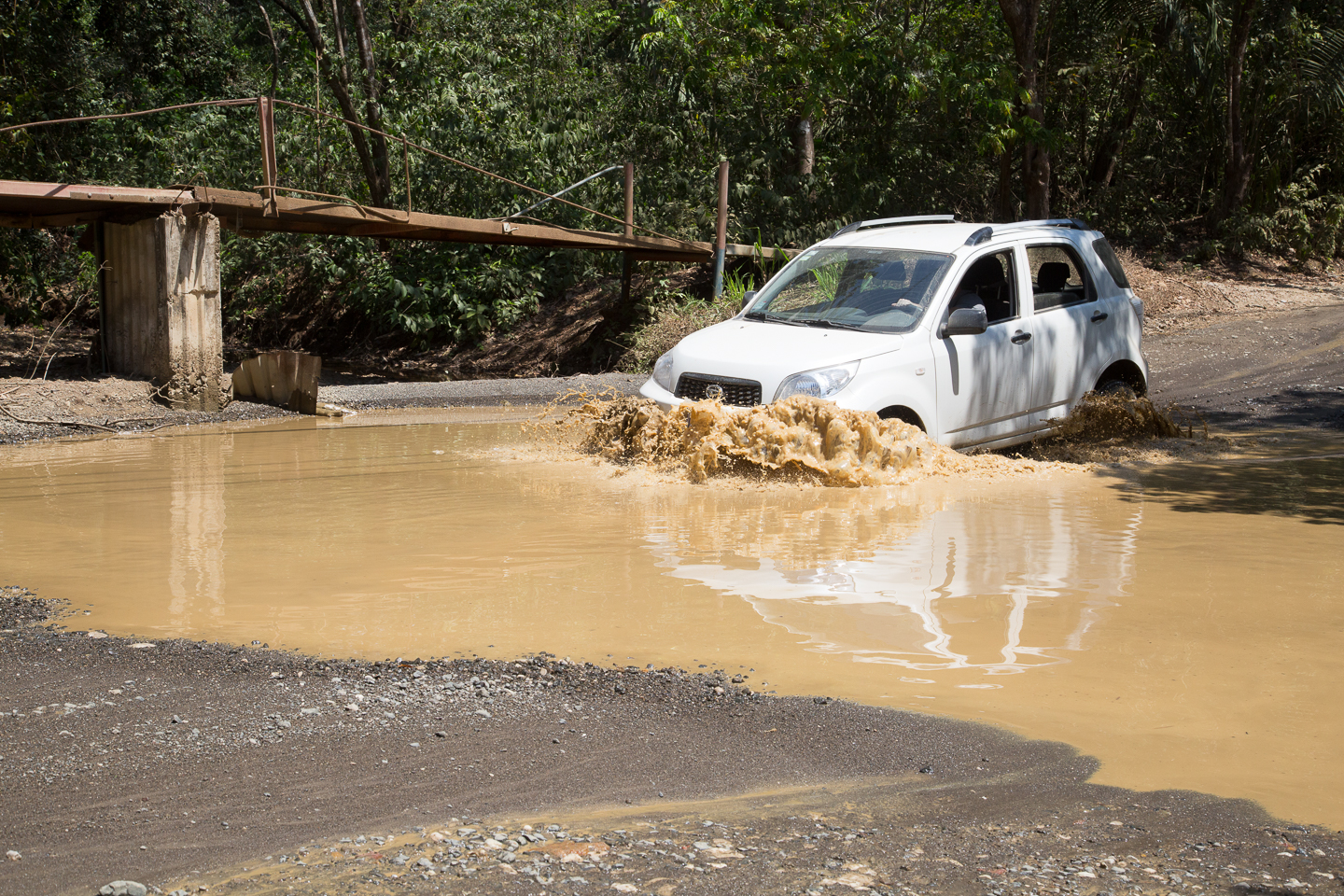
Yesterday we drove to Quiones…a surf town about 45 minutes south of were we’re staying.  We had to ford two small rivers.  This is the shallowest one about 12-18″ deep.

20170218-_i3a7886

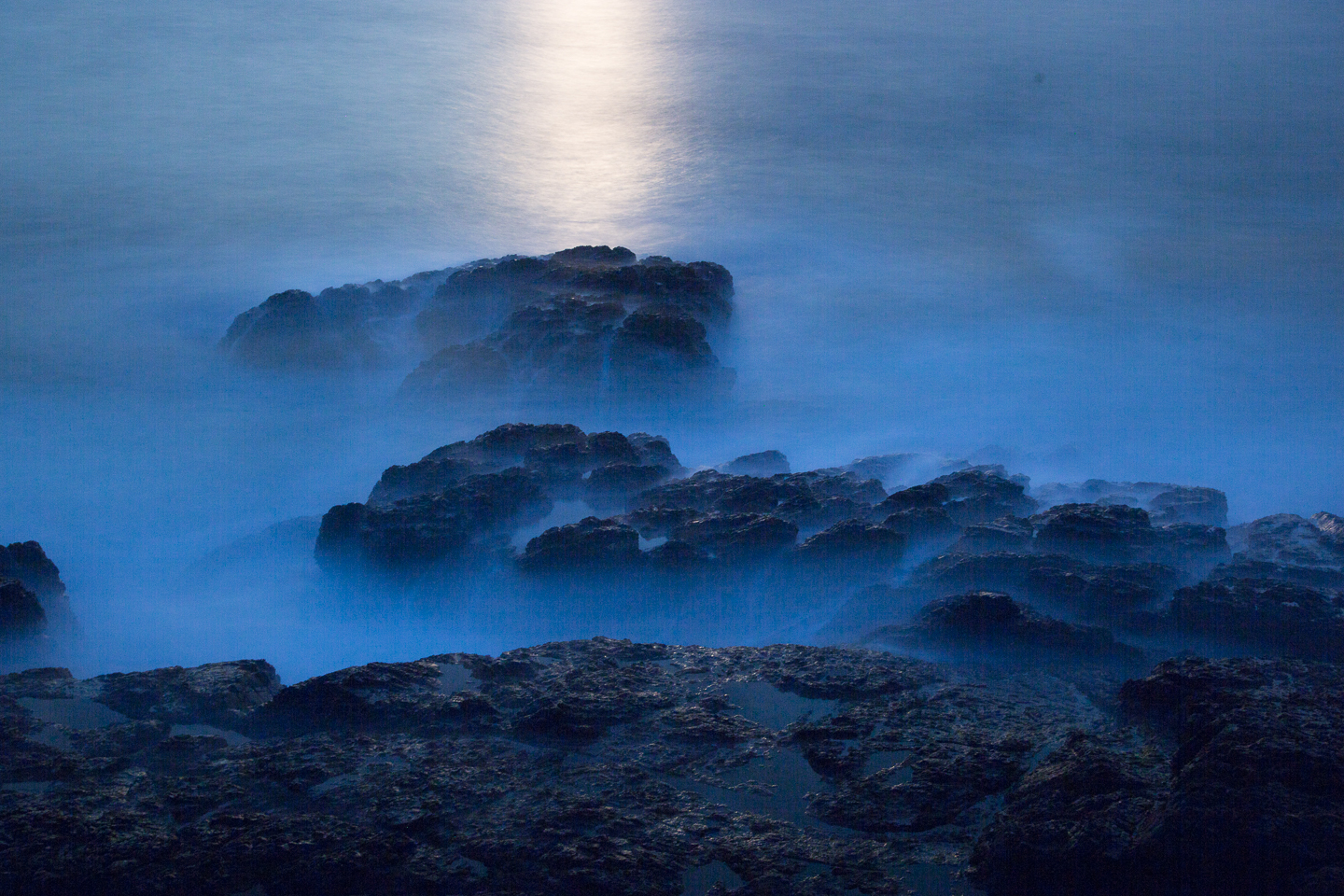
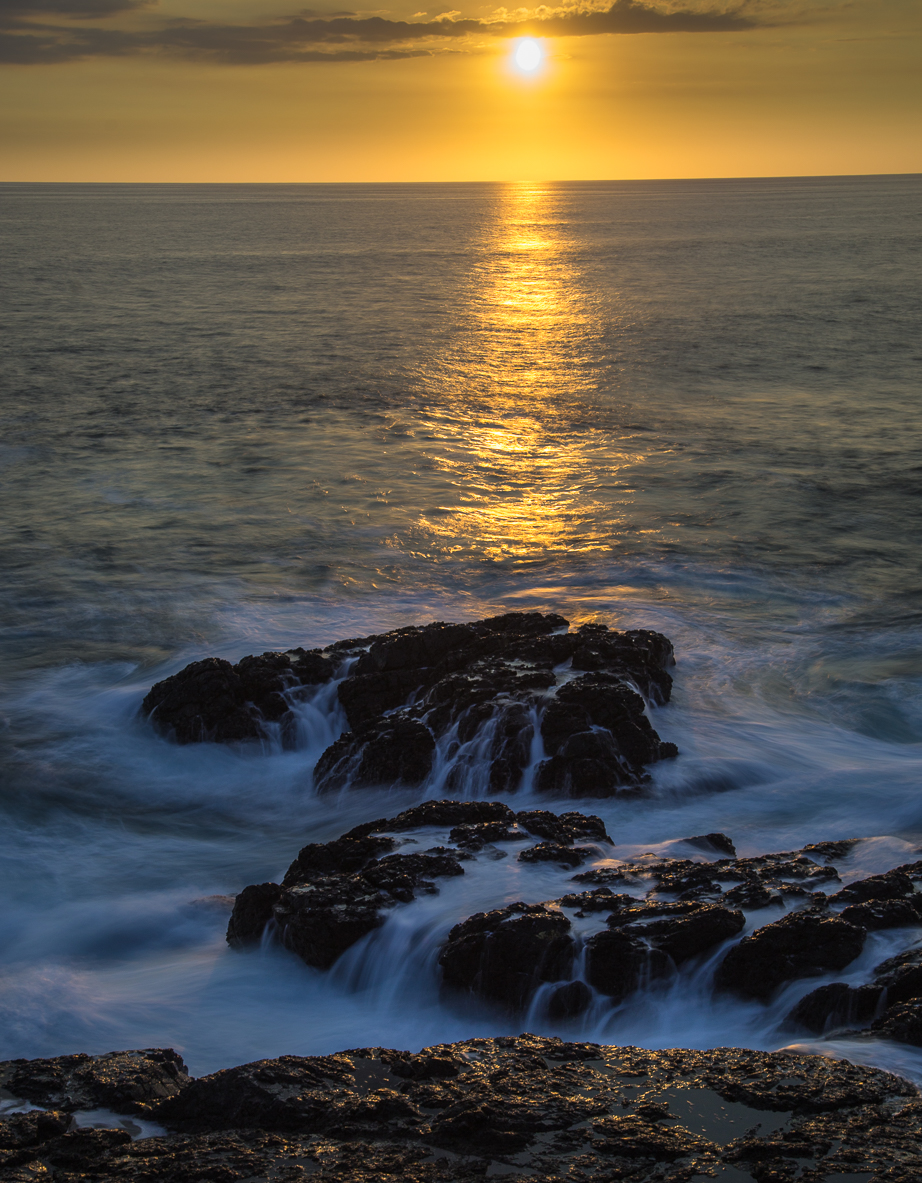
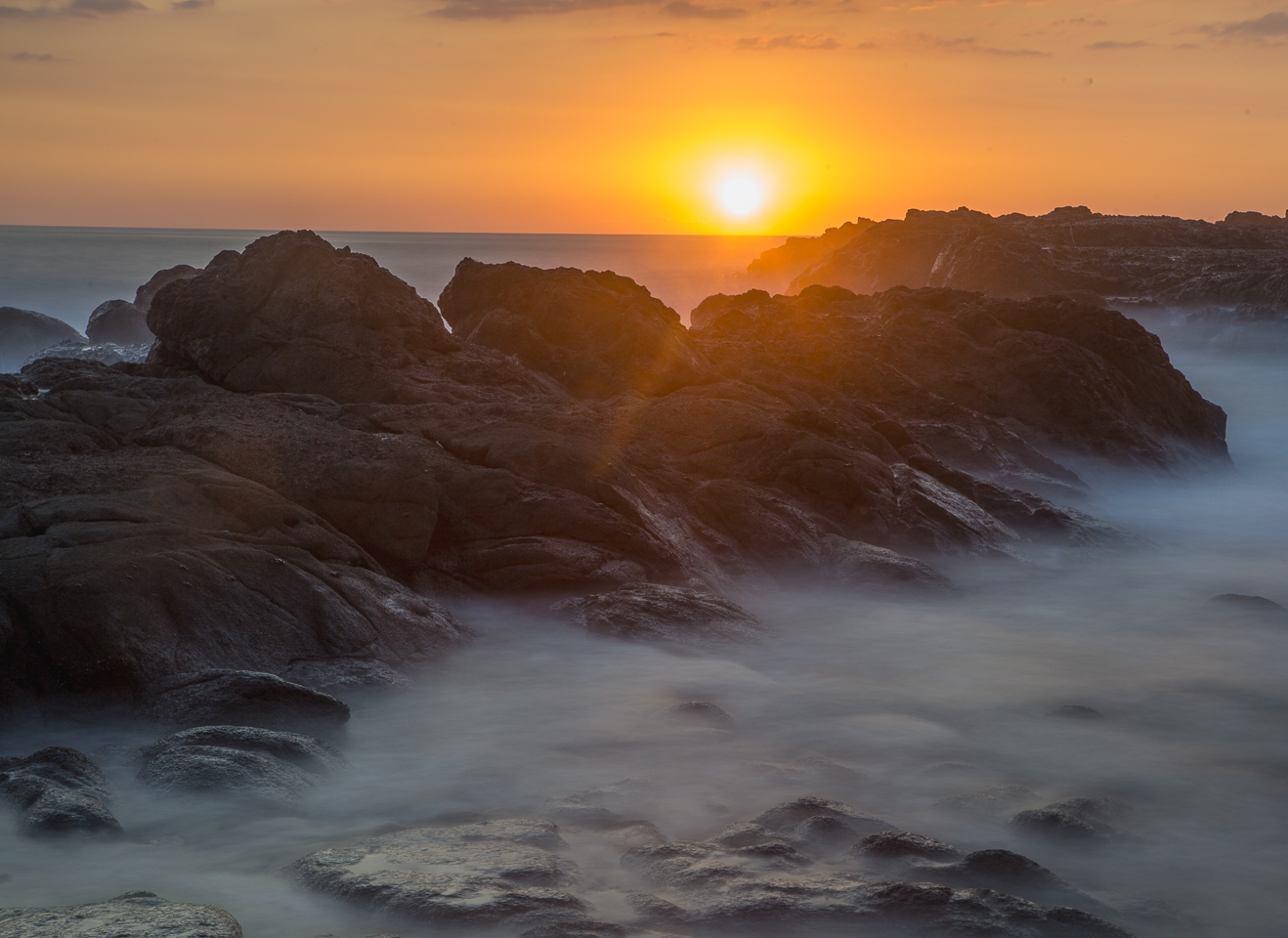
There is a group Christian Surfers of Costa Rica camped out across from the beach this weekend.  We went out in the morning about 6am for about 2 1/2 hours until the beach started getting crowded then we headed south to Quiones and then back to our hotel.  Last night we drove to a nearby cove to shoot some sunset images.  The first couple are from a cliff overlooking these volcanic rocks with the surf hitting them.

20170218-_i3a7957 20170218-_i3a7965

The last one is from on the volcanic rocks in the cove.

20170218-_i3a7974

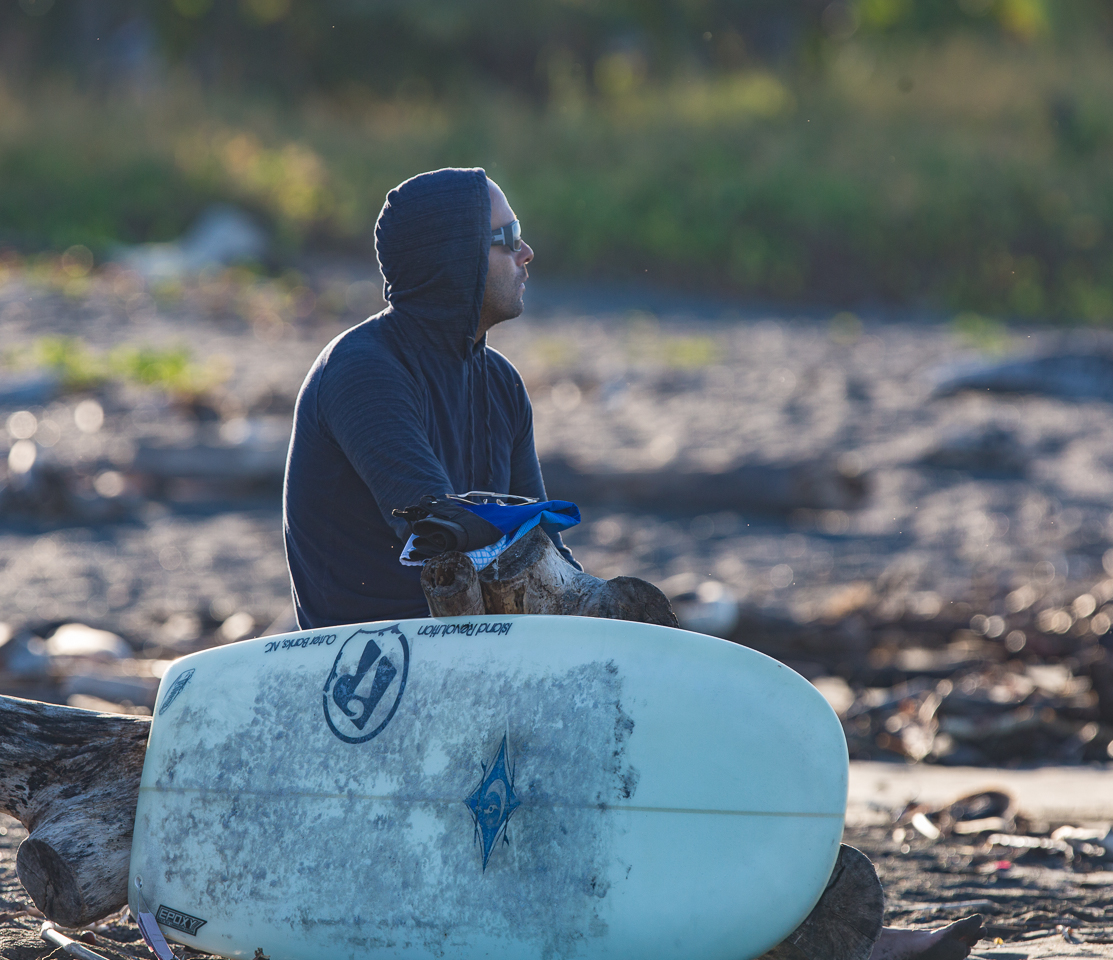
Watched this guy walk down the beach this morning balancing his surfboard.  Thought it was interesting.

20170219-_mg_8201

Two of our party of nine left yesterday.  Four more headed back to the Outer Banks today.  The last of us….three…leave tomorrow, first for Houston and then back to Dallas about midnight.

Until next time.

Ron


Posted in Costa Rica Surfing | Leave a comment

Our Turtle Eggs Come to Life!

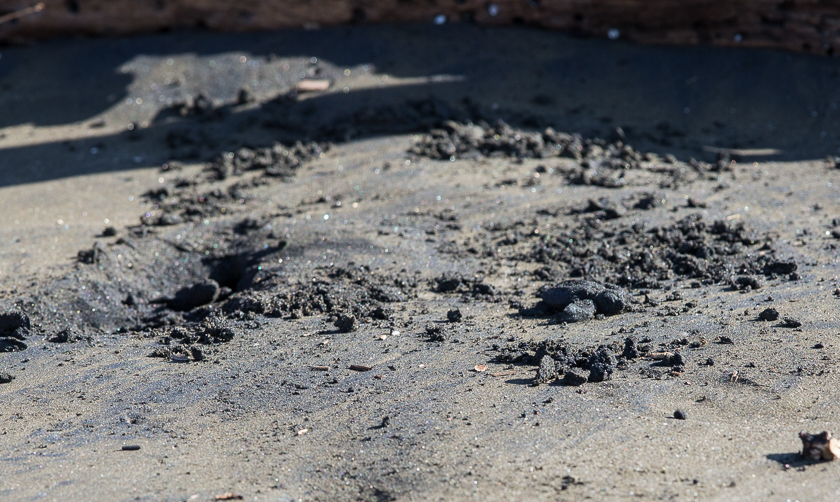
This morning part of our group was out surfing.  Derek had his alarm set for 5:00 am and we were on the beach before 6.  There was Derek, his friend, Pat, from Corolla, North Carolina on the Outer Banks and Pat’s girl friend, Chelsea, were in the water.  Another friend, Jeremy, the photographer from Austin and I were on the shore shooting.  About 8am, Jeremy hollers to come over to him.  What he’d seen was a tiny hatchling turtle about the diameter of an orange crawling toward the water.  Just as a reminder, you can click on any of these images to see them full screen.

20170215-_i3a7630 20170215-_i3a7629

Further back from the water we found a spot were they were coming up from under the sand where they’d been layed as eggs about two months earlier.

20170215-_i3a7657 20170215-_i3a7642

We watched as eight hatchlings made their way to the water.  We know that 71 eggs had been layed by the female last Thursday night so we would assume a similar quantity would have been in this nest.  We don’t know if others had preceded these or if more were to follow.

20170215-_i3a7633 20170215-_i3a7671

While we weren’t permitted to photograph a Mom laying eggs about an hour up the coast we were able to see these heading for their new home.

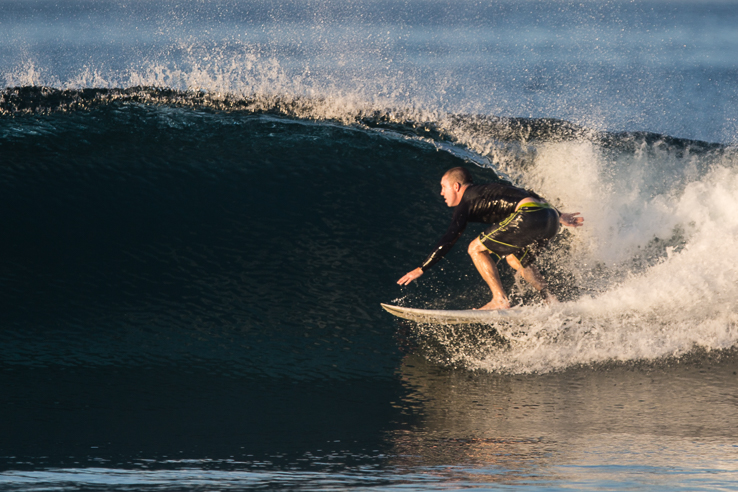
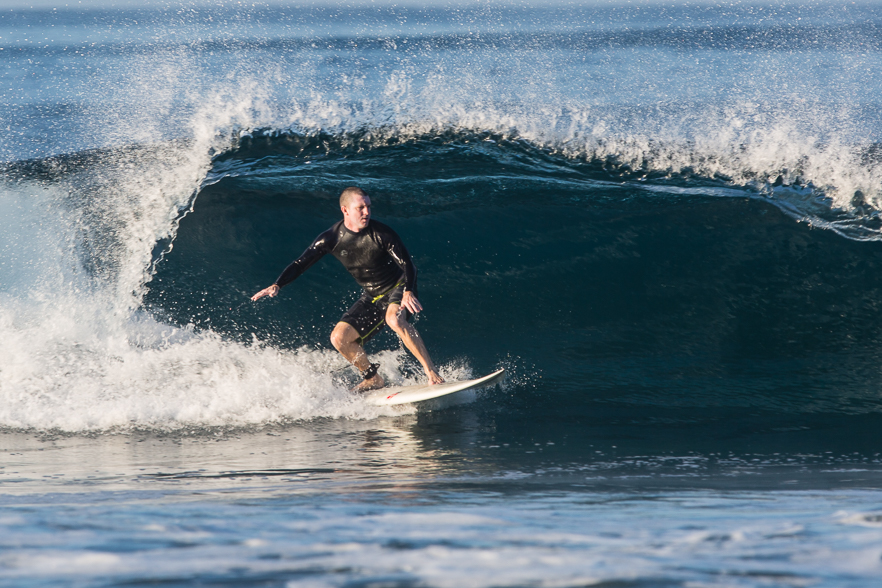
The purpose of the trip was surfing…not turtle hunting…so here’s some images first of Derek.

20170215-_i3a7353 20170215-_i3a7451 20170215-_i3a7407

Most every trip along a wave has to come to an end eventually and sometimes the ending is more interesting a photo than the surf ride.

20170215-_i3a7390

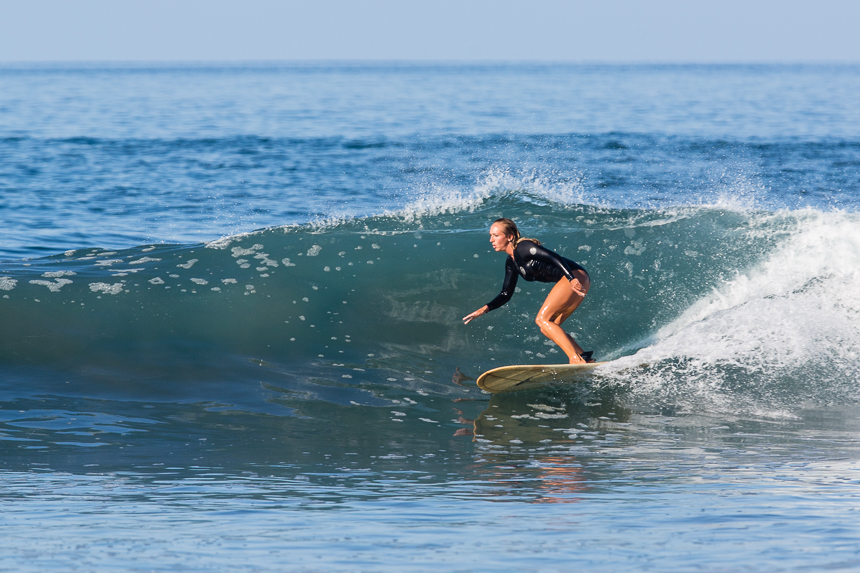
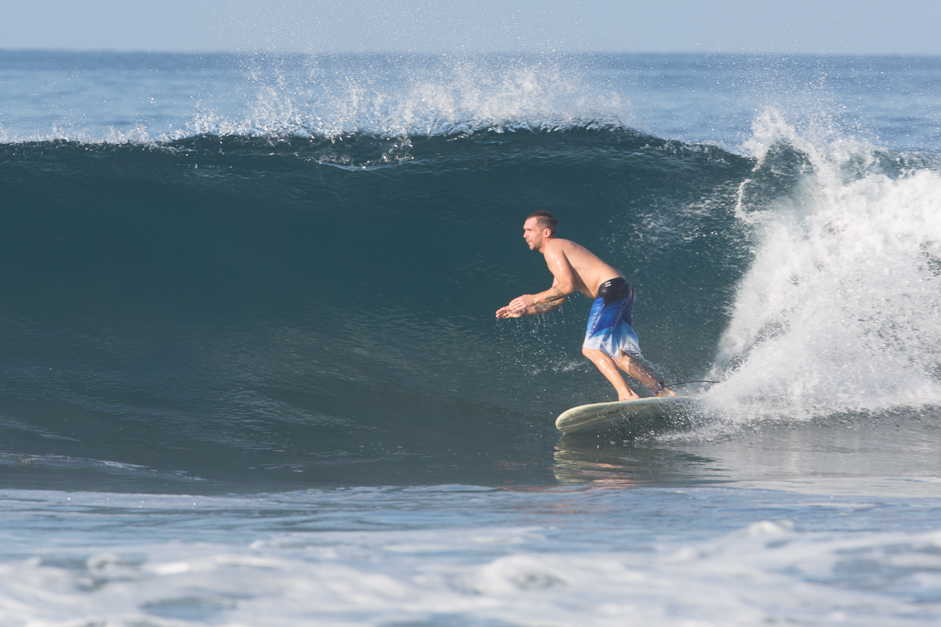
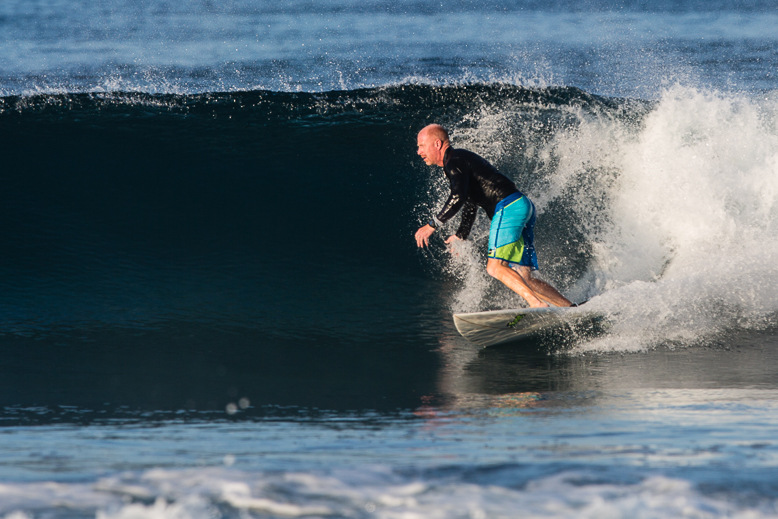
Here are some of the others in our group.  There were seven of us at the beginning.  Two more joined us this morning.

20170215-_i3a7556 20170215-_i3a7582 20170215-_i3a7526 20170215-_i3a7429

20170215-_i3a7425

Hope you enjoy!

Posted in Costa Rica Surfing | Leave a comment